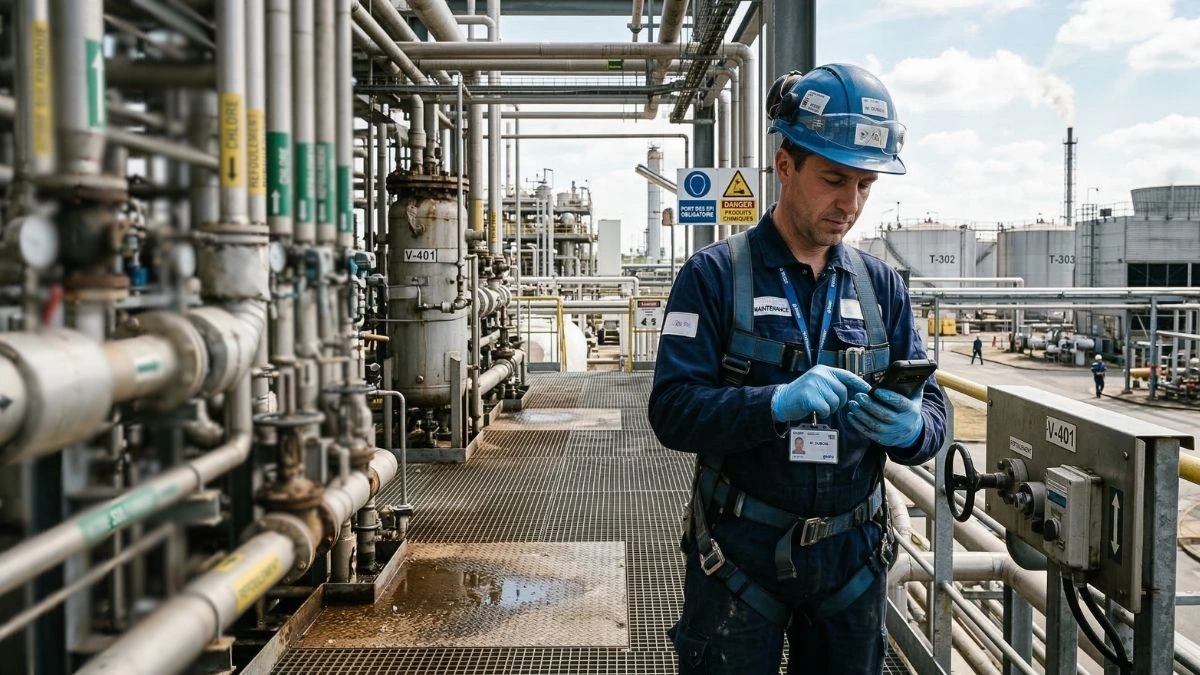

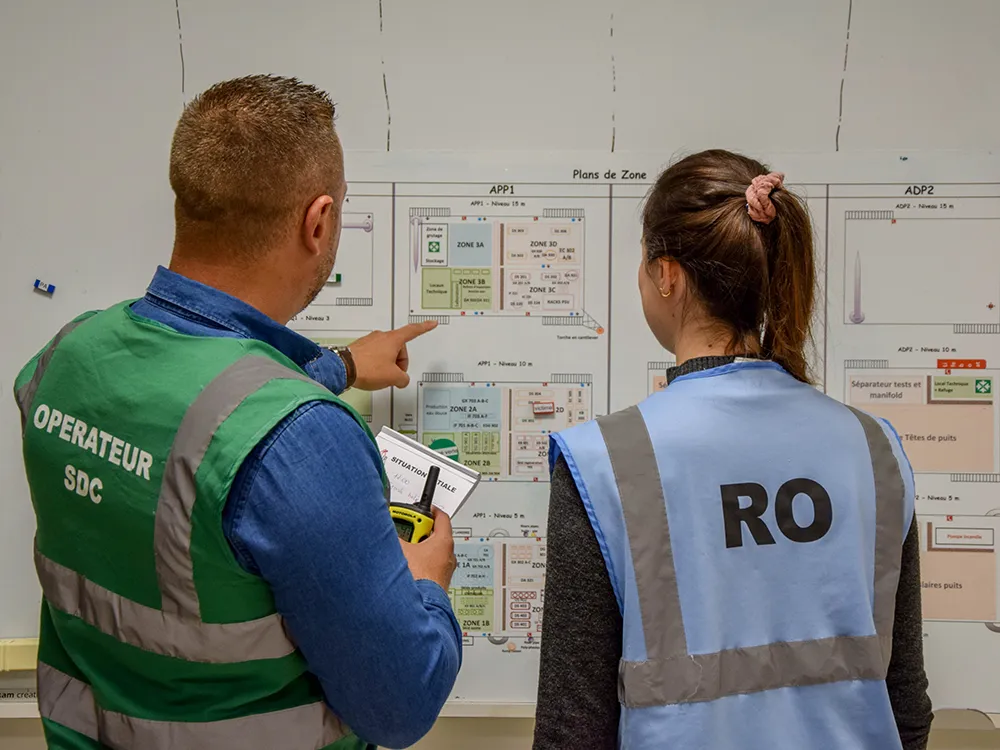
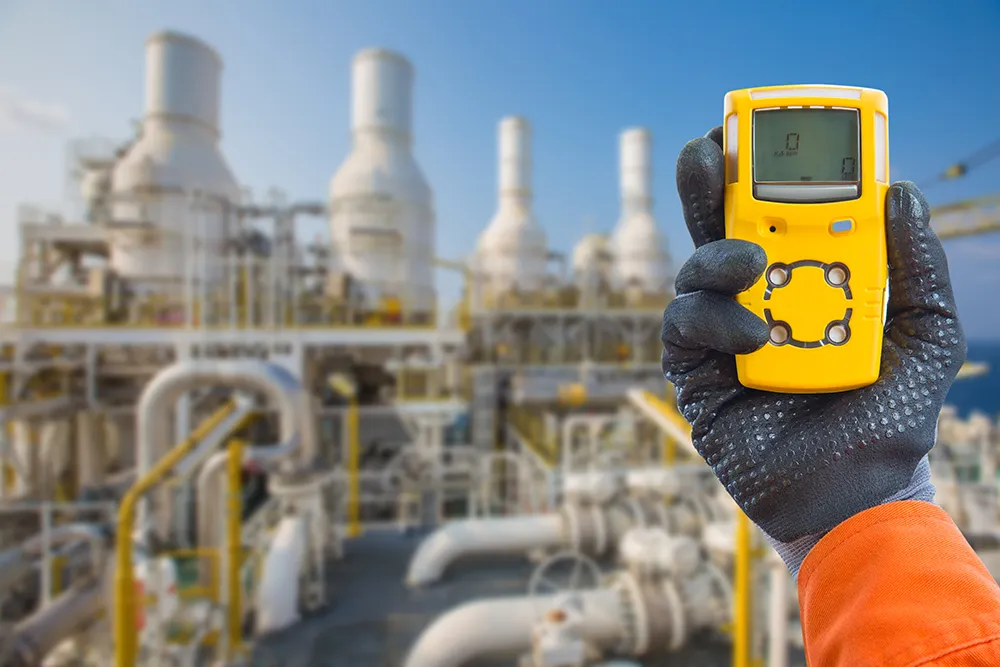
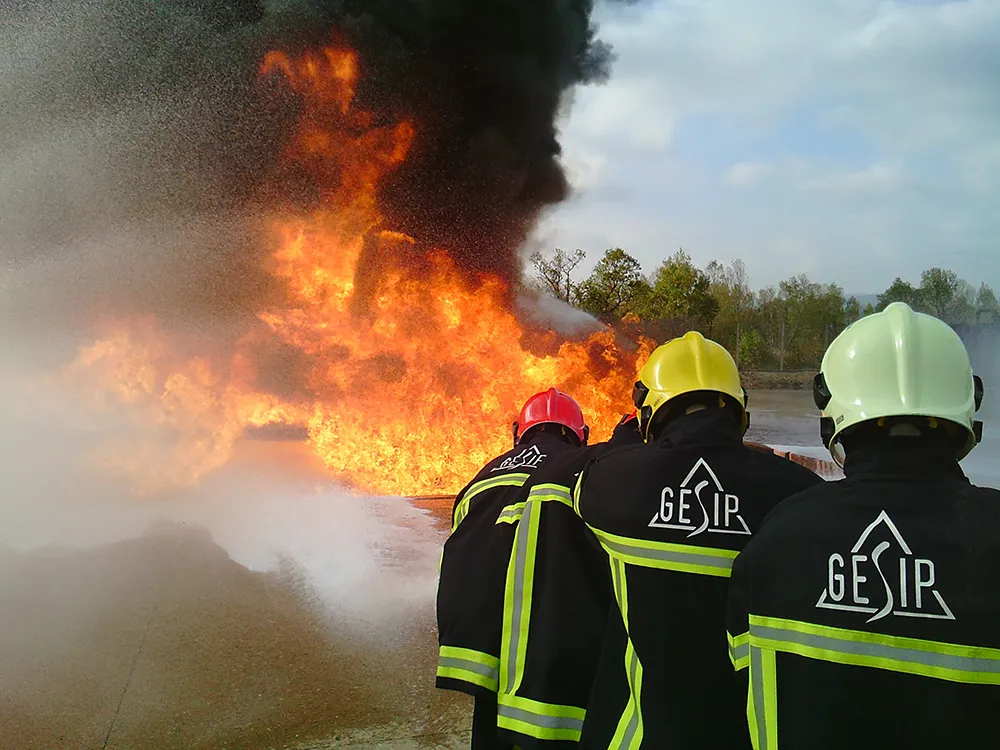
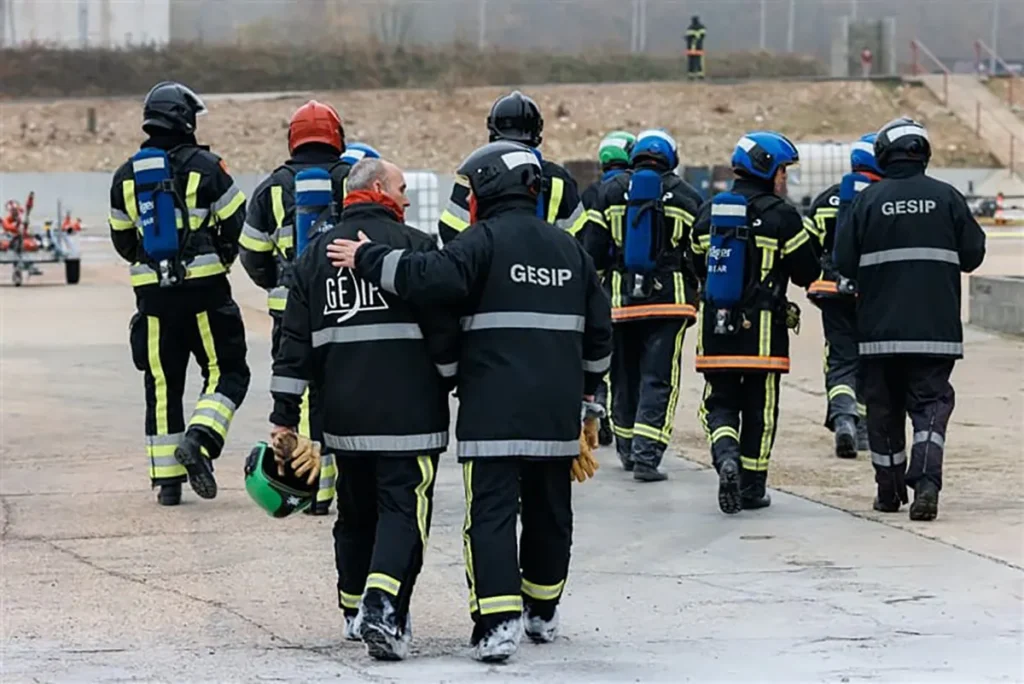
Emergency management at industrial facilities is critical to ensuring employee safety, protecting infrastructure, and preserving the environment. Proactive risk management, combined with the rapid and effective implementation of an Internal Operations Plan (IOP), is essential to limit the impact of industrial incidents. Rigorous coordination and a structured response help reduce potential consequences for both people and the environment.
Pour accompagner les industriels dans cette démarche de prévention et de gestion de l’urgence en milieu industriel, Gesip propose un soutien complet grâce à des formations spécialisées. Son expertise éprouvée aide les entreprises à renforcer leurs compétences en sécurité industrielle et à élaborer des stratégies de gestion des risques adaptées aux spécificités de leurs sites.
Understanding the Risks and Challenges of Emergency Management
What is an emergency in an industrial setting?
An emergency refers to an unforeseen event that threatens the safety of people, the environment, the integrity of infrastructure, and the continuity of industrial operations.
These situations can take many forms, ranging from fires and explosions to chemical spills and cyberattacks. They also include risks related to natural disasters, such as earthquakes or floods, as well as NaTech (the impact that a natural disaster can have on all or part of an industrial facility), which could lead to a technological accident.
Identifying and Anticipating Risks: An Essential Prevention Strategy
To mitigate the potential impacts of these critical events, organizations must adopt a proactive approach to industrial emergencies. This begins with a precise identification of the potential risks to which they are exposed, followed by the implementation of preventive measures, training plans for employees, and the continuous improvement of safety processes.
The risk mapping thus plays a crucial role in this phase, enabling companies to visualize and prioritize threats. This process must include an analysis of internal and external vulnerabilities, as well as possible industrial accident scenarios . Such preparation is essential for developing an effective and structured that enables a response in the event of an incident.
Preventive measures and collaboration with stakeholders
A rigorous risk assessment promotes better coordination among all stakeholders involved in the crisis response, including suppliers, subcontractors and customers, in order to develop a coordinated and effective response to incidents. Involve these key stakeholders in the crisis management is therefore considered best practice to ensure that strategic partners are aligned with emergency protocols and security measures.
The three emergency declarations under consideration
Phase 1: Initial Response and Victim Assistance
In the event of an incident, the initial response plays a crucial role in minimizing damage and protecting those present.
- Protect : The priority is to ensure people’s safety by moving them away from the danger zone and implementing the necessary measures to prevent the situation from worsening.
- Alert : It is essential to activate alert systems and notify response teams to ensure a coordinated and rapid response.
- Rescue : First aid must be administered to victims, while preparing for a possible evacuation if circumstances require it.
Status 2: Activation of the Internal Operations Plan (IOP)
The Internal Emergency Response Plan (IERP) is a central component of crisis management in industrial settings. It is based on the results and conclusions of the Hazard Analysis or Hazard Analyses previously conducted by the industrial operator under its own responsibility.
The consequences of the representative reference scenarios—selected from among the scenarios studied after characterizing the hazard potentials and hazardous events that could occur within the facility—and the definition of the resources to be deployed toin response to the risks identified in this (or these) hazard study(ies), are translated in the POI into an operational response and intervention strategy.
Learn more: Discover our tools for developing an effective Internal Operations Plan
A POI must therefore define the organizational measures, response methods, and necessary resources—both internal and external—to be deployed within the facility in the event of an accident, in order to bring the situation under control, protect personnel and property, and prevent adverse effects on the public and the environment.
The POI must also enable the necessary arrangements to be made:
- to bring the facilities to the safest possible condition and minimize the consequences of the accident;
- to ensure that public emergency services are alerted and that the relevant authorities (mayor(s), prefect, DREAL/DRIEE, etc.) are notified.
When a situation reaches a critical level, the POI is activated to coordinate the necessary actions and ensure optimal coordination among the various stakeholders. This plan outlines the response measures and theorganization of the crisis management team , including the establishment of a structure for managing field operations.
Learn more: How to organize training sessions at the POI?
Stage 3: Activation of the Specific Response Plan (SRP)
Specific emergency response plans are established to protect people, property, and the environment by addressing specific risks associated with the existence or operation of structures or facilities with a localized and fixed footprint. These plans implement the guidelines of civil protection policy regarding the mobilization of resources, information and warning systems, and drills and training.
Learn more: Understanding the PPI and its regulatory challenges
When the situation exceeds internal management capabilities and requires external intervention, the Specific Intervention Plan (PPI) is activated. This plan is designed to mobilize and coordinate public resources, ensuring a structured response to the incident.
The PPI activation process involves several steps:
- Activation of the warning siren to warn the surrounding population, thereby triggering a series of civil defense measures.
- Coordination with emergency services to manage the incident in a structured manner: the PPI provides for a clear interface between internal teams and public emergency services, thereby facilitating smooth communication and the effective deployment of resources.
Organization and Roles in the Crisis Management Team
As part of emergency management, a well-structured crisis management team is essential for coordinating response efforts and minimizing the impacts of industrial incidents. This team constantly monitors the evolving situation and adjusts strategies in real time.
The various roles within the Command Post (CP)
The Command Post (CP) plays a central role. It is structured around several essential functions that enable effective crisis management:
- Anticipation : Anticipate how the situation will evolve and adjust intervention strategies accordingly.
- Operations : Ensure the smooth running of field operations and the security of facilities.
- Logistics : Manage the material and human resources needed to support operations.
- Information : Collect and analyze information about the incident to guide strategic decisions.
Learn more: Industrial Risk Training: Command Post
The Role of the Director of Internal Operations (DOI)
The Director of Internal Operations (DOI) is at the heart of the crisis management strategy. He is responsible for overseeing all actions until emergency responders arrive. He ensures rapid decision-making and the implementation of the most appropriate response strategies. His role also involves ensuring effective communication with internal teams and external stakeholders, including emergency services and local authorities.
Communications and Media Relations
In the event of an incident, the crisis communication is crucial to ensuring that all stakeholders—including the media, employees, and local authorities—are informed quickly and clearly.
Preparation and training of personnel for emergency situations in industrial settings
Continuing Education and Safety Training
Continuing continuing education proves to be the cornerstone for ensuring that all staff members are proficient in the latest risk management techniques and new regulations regarding crisis management. These risk management training programs enable teams to acquire not only technical skills but also a safety culture that promotes proactive risk anticipation.
Gesip offers a wide range of specialized training programs tailored to the needs of industry, covering key topics such as industrial safety, risk prevention, and emergency management.
In addition to its standard offerings, Gesip stands out for its ability to develop customized training programs, designed specifically to meet the unique needs of each organization. Whether for in-person training, e-learning modules, or virtual classroom sessions, Gesip offers flexible solutions to adapt to the constraints and objectives of each company.
To explore all available training courses and find the one that best meets your organization’s needs, visit our Gesip Training Catalog.
Emergency management drills
Regular drills are also required by regulation to prepare staff for emergency scenarios. These exercises help test the procedures outlined in the emergency response plan and improve the teams’ response time.
For companies looking to enhance their teams’ ability to handle emergency situations, Gesip offers tailored support that includes realistic simulations and practical exercises tailored to the specific scenarios of each industrial site thanks to its technical facilities that are unique in Europe.
Conclusion: Toward Proactive Management of Industrial Emergencies
Companies that invest in risk management training and emergency preparedness see a reduction in incident-related costs, as well as an improvement in customer and partner confidence. In this context, Gesip positions itself as a key player by offering a wide range of crisis management training. Please feel free to contact us for further information.