


When managing a crisis, there is often a tendency to place paramount importance on information, assuming that it will be sufficient. However, while information plays a crucial role, it is important to recognize that communication also plays an essential role at every stage of resolving the crisis a company faces.
What is a crisis?
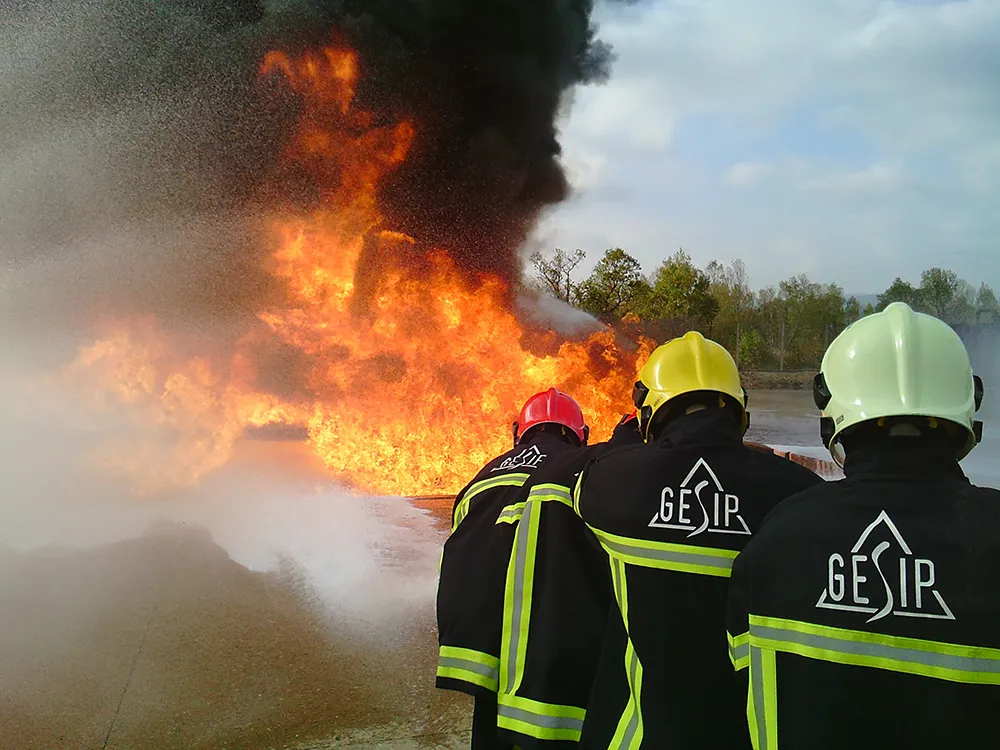
Generally speaking, a crisis is defined as a sudden and unexpected situation. It is often abrupt and can have potentially very serious consequences for a society where the usual mechanisms and responses are inadequate.
A crisis absolutely requires an appropriate response and strategy; otherwise, it risks having a negative impact on the company’s image, its employees, its products, and, above all, its long-term viability.
Why communication?
Crisis communication is in no way directly related to the alert.
In fact, an alert is always triggered by a regulatory requirement and will require the support of a dedicated team.
A l’inverse, la communication permettra de choisir le moment opportun afin d’établir des campagnes et des discours adaptés auprès d’un public ciblé pour une gestion optimale de la crise. La communication en gestion de crise permet d’apporter une réponse officielle, d’informer le public de façon très factuelle et de démontrer la réactivité de l’entreprise pour procurer une image plus positive et rassurante.
What are the first steps you should take?
Several key practices are essential when communicating during a crisis. It is important to apply them not only during the crisis, but also in the lead-up to it.
Before the crisis:
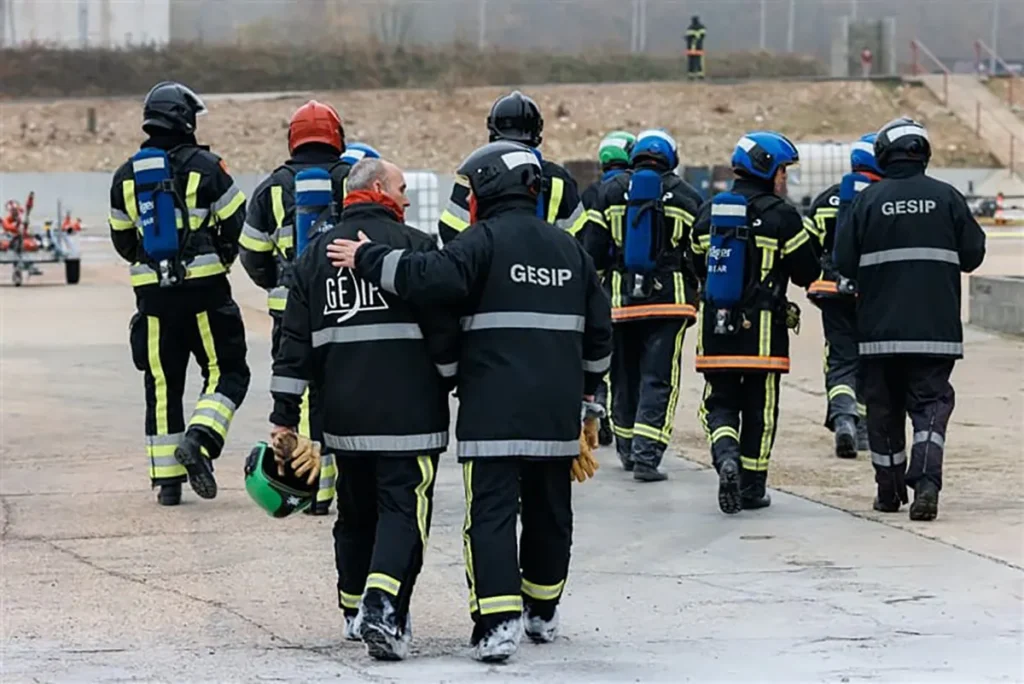
- Preparation: Developing a crisis communication plan and training your teams will help you adapt more effectively should a crisis arise. This preparation will facilitate smoother emotional management by anticipating situations and identifying pitfalls to avoid, while fostering a calm and thoughtful mindset, free from stress.
- The Importance of the Human Element: Once teams have been trained, they will be better prepared to communicate effectively and think critically to resolve the crisis. It is important to remember that communication is fundamentally a human exchange.
During the crisis:
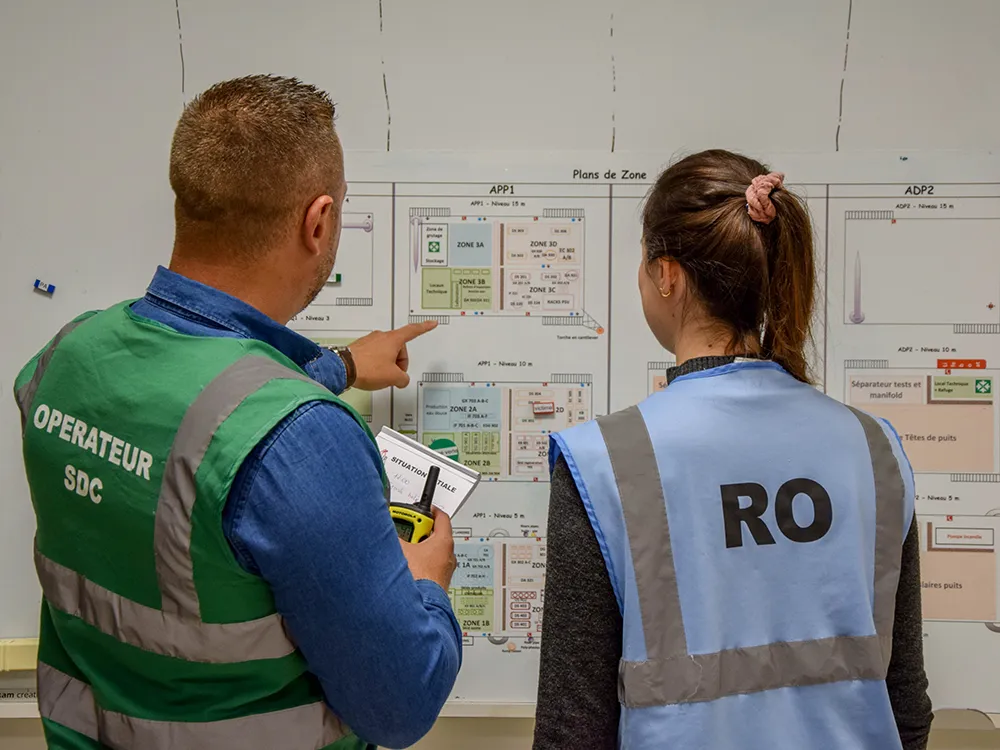
- Laying the groundwork: One of the essential keys to crisis management is having a clear and accurate understanding of the initial situation, which makes it possible to develop appropriate strategies.
- Manage internal and external relations on behalf of the Director of Internal Operations, and coordinate the reception of government officials and the media.
Internal Communication
Internally, it is necessary to distinguish between a crisis communication plan for headquarters and communication within an Operational Command Post.
When it comes to a company's crisis communication, the information must be:
- Factuelles, vérifiées et vérifiables, concises et adaptées à la cible. Elles doivent toujours répondre à un objectif précis, parfois empathique dans le cas des familles.
- Distributed with specific reference to the communication guidelines for everyone
- Regularly shared with employees to ensure that people do not, out of stress, malice, or sheer idleness, spread misinformation or fake news on social media!
- Regular
- Approved by the crisis manager, there is never any improvisation
- Looking forward to a return to normal
External Communications
Externally, the primary goal of crisis management communication will be to address questions from the media. To this end, several tools are available to you, and it is in your best interest to prepare them so that you can make the most of them:
- Press Release: It is the core of your strategy and will enable you to answer media questions with key facts that you have prepared in advance. It is the only statement you will provide to the media, so it must be brief and to the point, addressing the following questions: who, what, where, when, why, and how.
- Journalists: When speaking with a journalist, it is crucial to adhere to certain fundamental principles. It is essential never to admit that you do not know what is happening. Furthermore, it is essential to communicate honestly, always striving to provide reassuring and optimistic answers, while remaining realistic and avoiding any form of aggression.
During a crisis, the importance of communication should never be underestimated. When systematically organized across all channels, it will enable your teams and your company to navigate the situation with greater confidence. When planned in advance, taught, and practiced, crisis communication ensures a consistent message and provides reassurance regarding the impact the crisis has had on the company.