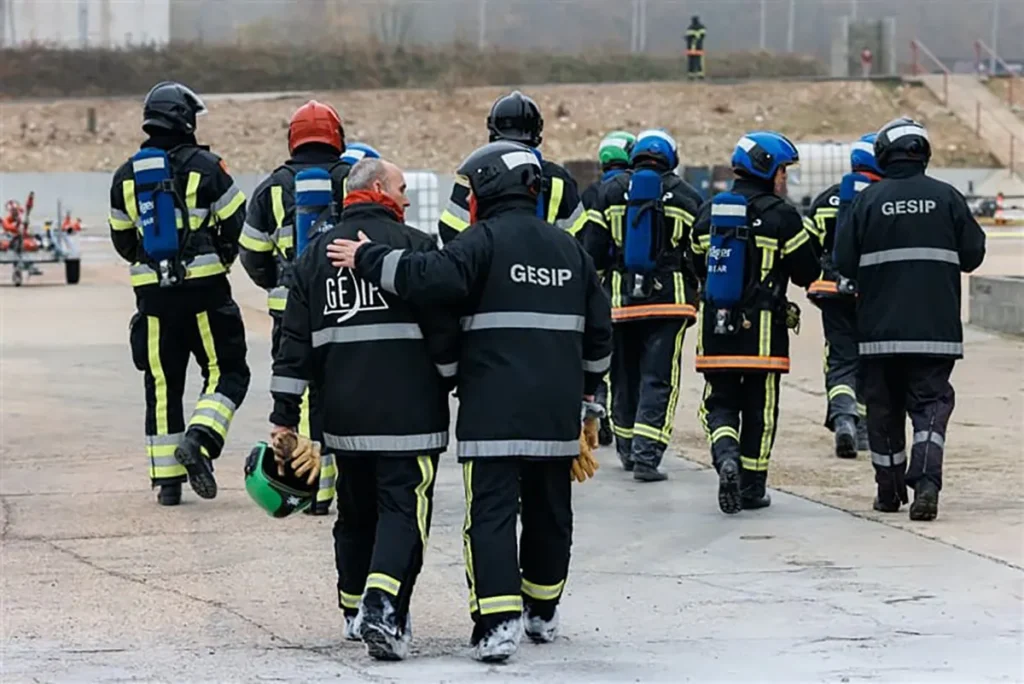
The Specific Intervention Plan (PPI) is one of the many emergency plans implemented by France to provide the best possible protection for the population and the environment. In particular, it helps define the protection zone, identify sensitive sites housing vulnerable populations (schools, hospitals, etc.), and implement measures to protect the population. What is a PPI, and who are the key stakeholders in this plan?
What is a PPI?
The Site-Specific Emergency Response Plan is a preemptive measure designed to manage the impact on the public of an accident occurring at a high-risk site.
This is a plan under the authority of the state. It covers several types of facilities:
- Nuclear facilities
- Chemical plants
- Storage facilities
- Dams
- Infrastructure related to the transport of hazardous materials
- Laboratories that use microorganisms
Who are the key players in the Special Response Plan?
The facilities covered by a PPI are designated either at the national level or at the European level in the case of “Seveso” establishments.
The PPI is developed by the prefect, who, based on the identified risks, prepares protective measures and coordinates the mobilization and collaboration of all relevant stakeholders.
The Specific Response Plan involves several stakeholders:
- The operator develops an emergency response plan.
The PPI imposes requirements regarding the notification and briefing of authorities, as well as the emergency measures to be taken in the event of a rapidly developing accident.
All of these elements must be addressed in a practical manner in the POI, as must the procedural requirements for submitting a request to the prefect to activate the PPI.
- All emergency services (fire department, emergency medical services, etc.) and government agencies (law enforcement, prefectures, etc.)
- Municipalities: must develop a Municipal Emergency Plan (PCS)
- The prefect is also responsible for prescribing and developing Plans for the Prevention of Foreseeable Natural Hazards (PPRN) and Plans for the Prevention of Technological Risks (PPRT).
Gesip, your partner in industrial safety
Effective risk management requires an understanding of events and the sharing of experiences. Since 1953, Gesip has been working to improve safety at industrial sites by providing professionals with a range of training and audit services to help you ensure the highest level of safety for your business.
As part of a Specific Response Plan, we offer additional training to help you learn how to respond effectively during the first 20 minutes of an emergency response through our course First Emergency Response. This training takes place over two days, and you must be familiar with the structure of your emergency plan to participate.
To take things a step further, we offer a crisis management team training session held at the client’s location using all of these documents.
To best meet your needs, you also have the option to create your customized training program.
Image source: gouvernement.fr