The number of electric vehicles (EVs) sold worldwide continues to rise every year. Consequently, the number of EVs entering industrial sites is also increasing.
Whether it'semployees’ employees,partner contractor companies, or vehicles from the company’s internal fleet, these new electric vehicles at industrial sites raise new safety challenges. While electric vehicle technology offers numerous environmental benefits, such as low CO2 and fine particle emissions, it also poses specific risks that must be taken into account and prevented.
We will focus on the risk of thermal runaway, which, through a domino effect, can have a significant impact on industrial sites with technological risks, where the consequences can be severe.
Identification of the Foundations
Electric vehicles
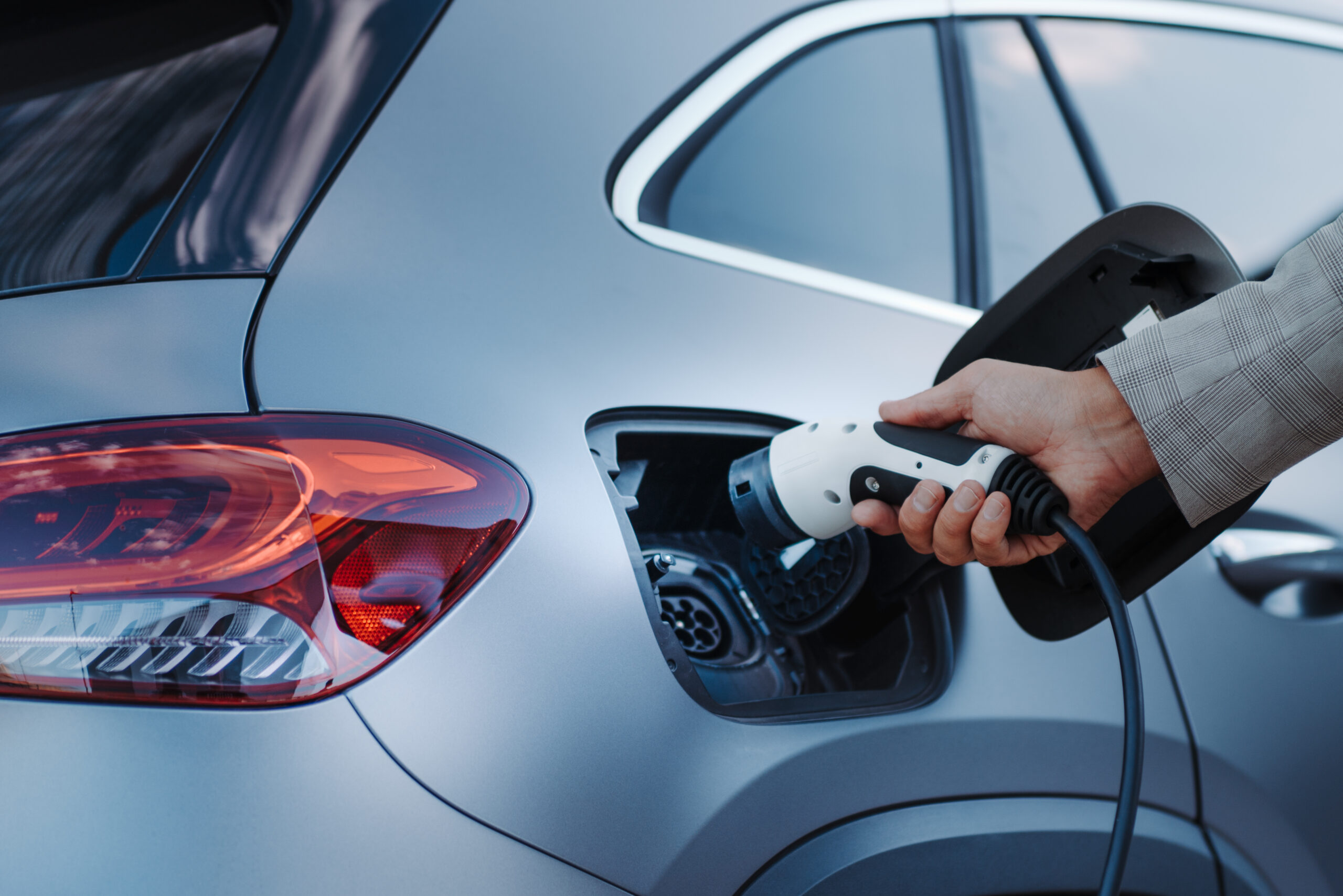
Electric vehicles (EVs) are vehicles powered by one or more electric motors, typically using a rechargeable battery as their primary power source. Unlike internal combustion engine vehicles, EVs produce no direct emissions while in operation, making them a more environmentally friendly option. EVs include a range of vehicle types such as cars, trucks, buses, bicycles, and scooters.
Technology Risk Zone
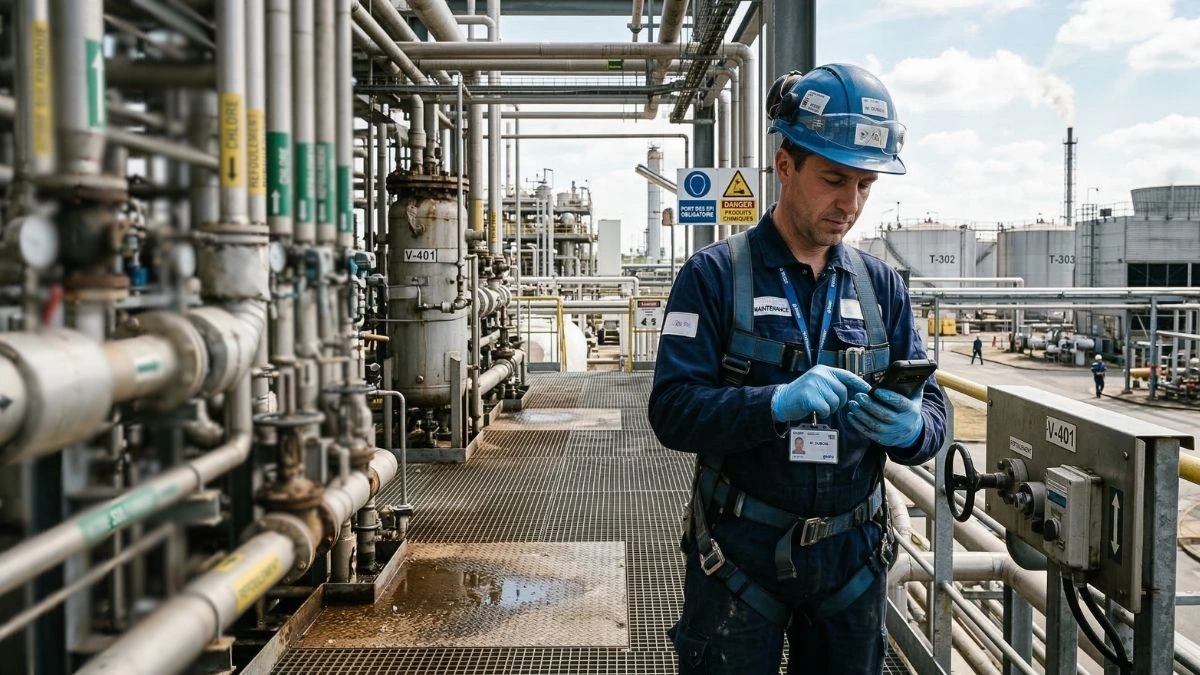
A high-risk industrial area is an area where industrial or technological activities may pose a danger to the public or the environment in the event of an accident or major incident . These zones include facilities at petrochemical and chemical sites, nuclear power plants, and storage sites for hazardous products and hazardous or toxic waste. The risks associated with these zones include potential explosions, chemical leaks, fires, radioactive releases, or other events that can have serious consequences for public health, the environment, and safety. Risk management in these areas often involves prevention, monitoring, and emergency planning measures to minimize potential impacts on nearby communities.
Identification of potential risks
Thermal runaway
Among the major risks associated with electric vehicles, thermal runaway is a major concern for industrial safety experts. This phenomenon is statistically rare and occurs as a result of a short circuit, impact, overcharging or undercharging, or an internal battery failure, leading to an uncontrolled rise in battery temperature. This thermal runaway can have serious consequences, posing a threat to both people and facilities and potentially causing explosions, the release of toxic fumes, and intense fires.
Thermal effect
The thermal effect refers to the impact of intense heat generated by an explosion, fire, or any other powerful heat source on nearby objects and people. This excessive heat can cause severe burns, significant property damage, and other harmful thermal effects.
Domino effect
Finally, the domino effect refers to a series of cascading events triggered by an initial incident, leading to a succession of other failures or incidents. This chain of reactions can have serious consequences, ranging from minor outages to major disasters, if it is not interrupted or managed effectively. The domino effect is often used to illustrate the need for risk management and failure prevention in high-risk industries.
Potential dangers
There are several general hazards associated with electric vehicles equipped with lithium-ion batteries. These hazards can be toxic, electrical, or thermal.
These dangers can lead to:
- Poisoning: If electrolyte leaks, the substances contained in the battery can be toxic if swallowed or inhaled.
- Electric shock: The high voltage in the battery can cause serious injury if there is direct contact.
- Burns: Incidents such as short circuits or overheating can generate extreme temperatures, causing burns.
D’autres phénomènes, tels que l’explosion, le dégagement de fumées toxiques ou un feu pouvant atteindre une température >1000°C peuvent survenir lorsqu’une batterie type Li-ion surchauffe de manière incontrôlable. Ces évènements sont souvent provoqués par des dommages physiques et mécaniques sur la batterie, une mauvaise utilisation ou bien un défaut de fabrication.
Pour éviter ces risques, les constructeurs améliorent continuellement la protection des batteries contre les chocs et les perforations. La batterie est contrôlée régulièrement pendant son fonctionnement pour éviter la surchauffe et d’éventuels courts-circuits. Des préconisations supplémentaires ont été proposées par Gesip à travers un Guide afin de limiter au maximum les risques lors de l’accès des VE sur les sites industriels.
Recommendations and solutions
The operation and parking of electric vehicles at industrial sites must be controlled and monitored.
Preventive measures for electric vehicle access to industrial sites.
In order to access industrial sites, the driver of an EV must complete an access authorization form as specified in the Gesip guide. This document must be submitted at least 24 hours before entering the industrial site. In addition, the driver must affix a specific EV or VEH identification sticker to their vehicle for all access, whether temporary or permanent.
La « Fiche d’aide à la décision (FAD) » du véhicule doit être transmise au site industriel avec les autres documents d’autorisation d’accès. Ce guide d’intervention d’urgence, fourni par le constructeur pour chaque modèle de véhicule, est destiné aux services de secours. Il détaille les différents chapitres et actions à entreprendre en cas d’urgence (accident de la circulation ou incendie du véhicule).
Additional preventive measures for areas located within 15 meters of areas posing technological risks
In addition to the measures mentioned above, drivers must complete specific training to raise awareness of the risks and emergency situations associated with driving an electric vehicle. Gesip and APTH-BVT have developed an accessible awareness program via e-learning.
Malgré les nombreuses mesures de précaution mises en place sur les sites industriels, les statistiques montrent que les VE et VEH peuvent prendre feu. Le guide Gesip décrit les mesures à prendre pour maîtriser un tel événement. Il recommande également aux industriels d’intégrer ce nouveau risque dans l’étude de danger de leurs installations et de réviser leurs POI et plan d’urgence.
Specific restrictions and preventive measures apply to the movement and parking of electric vehicles in areas with technological risks at industrial sites. These measures are designed to minimize the risk of incidents and ensure everyone’s safety.
La sécurité des véhicules électriques sur les sites industriels est un enjeu majeur qui nécessite une implication forte de la part des conducteurs et des entreprises elles-mêmes. En prenant les mesures adéquates et en s’appuyant sur l’expertise de professionnels qualifiés, les industriels peuvent relever ce défi et garantir un environnement de travail sûr et performant.
Since this information is not exhaustive, we encourage you to read our guideto review all the information and recommendations available to you.
If this topic interests you, please feel free to sign up for the awareness program for EV and hybrid vehicle drivers developed in partnership with APTH-BVT.