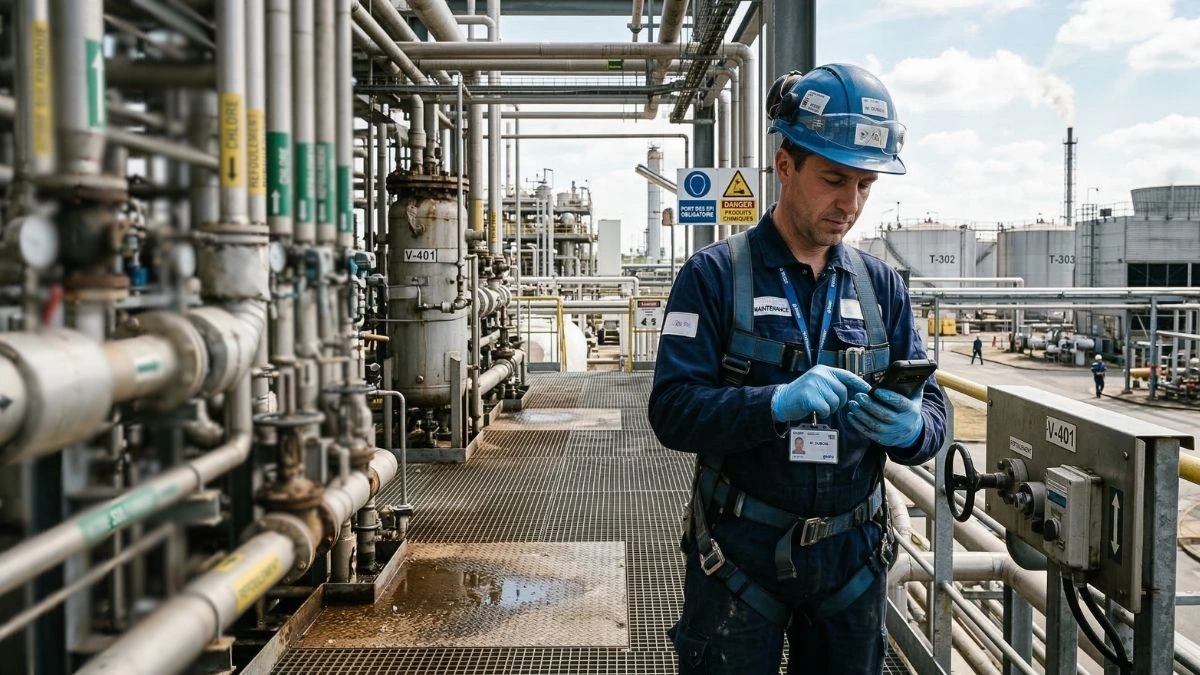
L’industrie est un pilier fondamental de notre économie, créatrice d’emplois et moteur de progrès. Toutefois, les sites industriels comportent des risques inhérents, qu’ils soient liés aux produits stockés, aux procédés de fabrication ou aux installations en elles-mêmes. Dans ce contexte, la gestion de crise sur un site industriel est une préoccupation majeure, nécessitant une coordination efficace entre les industriels et les pouvoirs publics, en particulier les services d’incendie et de secours (SIS). Cette coordination en amont, pendant, et après la gestion de crise est essentielle pour assurer la sécurité des personnes et de l’environnement, ainsi que la pérennité des activités industrielles.
Preparing for Crisis Management: A Shared Responsibility Between Industry and Public Emergency Services
The Importance of a POI
Pour les industriels, la préparation à la gestion de crise commence bien avant tout incident. Les installations sont classées en différentes catégories, allant des établissements SEVESO à ceux soumis à des autorisations relèvent du régime des Installations Classées pour la Protection de l’Environnement (ICPE).
For each of these categories, internal operating plans (IOPs) and annual or triennial drills are required to ensure a rapid response in the event of an incident. In addition, a fire defense plan (FDP) is required for flammable liquid storage warehouses (1510).
The Internal Operations Plan (IOP) is designed to establish effective coordination between industrial facilities and public emergency services. It specifies the procedures for communication and response in the event of an incident, clearly defining the roles and responsibilities of each party. The IOP includes protocols for the rapid alerting of emergency services.
In short, the POI is an essential tool for ensuring that industrial operators and emergency services can work effectively and efficiently in the event of an emergency.
The Key Role of Fire and Rescue Services (SIS)
Les services d’incendie et de secours, qu’il s’agisse des Services Départementaux d’Incendie et de Secours (SDIS), de la Brigade des Sapeurs-Pompiers de Paris (BSPP) ou le Bataillon des Marins Pompiers de Marseille (BMPM) , jouent un rôle central lors de la gestion des situations de crise. Ils doivent être capables de s’intégrer rapidement à l’organisation de gestion de crise de l’industriel.
La communication entre les deux parties est essentielle, et les industriels doivent fournir des informations claires sur la nature et la quantité des matières ou produits impliqués dans l’incident.
SIS teams can provide advice on crisis management, conduct drone surveys to assist in response operations, assess risks to populations exposed to wildfire smoke, replenish water supplies, and monitor social media.
Crisis Management: Coordination Between Industry and Public Emergency Services
During a crisis, the operator activates its emergency response plan and alerts the relevant authorities, including the Alert Processing Center (CTA) or the Departmental Fire and Rescue Operations Center (CODIS) of the SDIS.
Depending on the situation, an assessment and reconnaissance team may be deployed to the industrial site. If the SIS’s operational resources are engaged, the Site Commander (CDS) becomes the Rescue Operations Commander (COS) and assumes command of operations. The industrial facility, through its Director of Internal Operations, makes itself available to the COS as a technical advisor. In this case, the COS has authority over the site’s internal and external emergency response resources.
After Crisis Management: Recovery and Incident Analysis
Once the crisis has been resolved, the company takes over from the fire department to restore the site, analyze the causes of the incident, and submit an accident report to the authorities. This report outlines the measures taken to mitigate medium- or long-term effects and prevent similar incidents in the future. Coordination between the two parties does not end once the crisis is over, but continues through the post-incident phase with a exchange of lessons learned .
Coordination Between Emergency Services and Industry: Gesip’s Key Role in Crisis Management
The management of crisis situations at an industrial site relies on close collaboration between industry and public authorities, particularly fire and rescue services. As an expert in industrial safety, Gesip plays a fundamental role in the coordination chain by providing high-quality advice and training to improve preparedness and response to crisis situations.
Security Guard Training for Operational Clarification
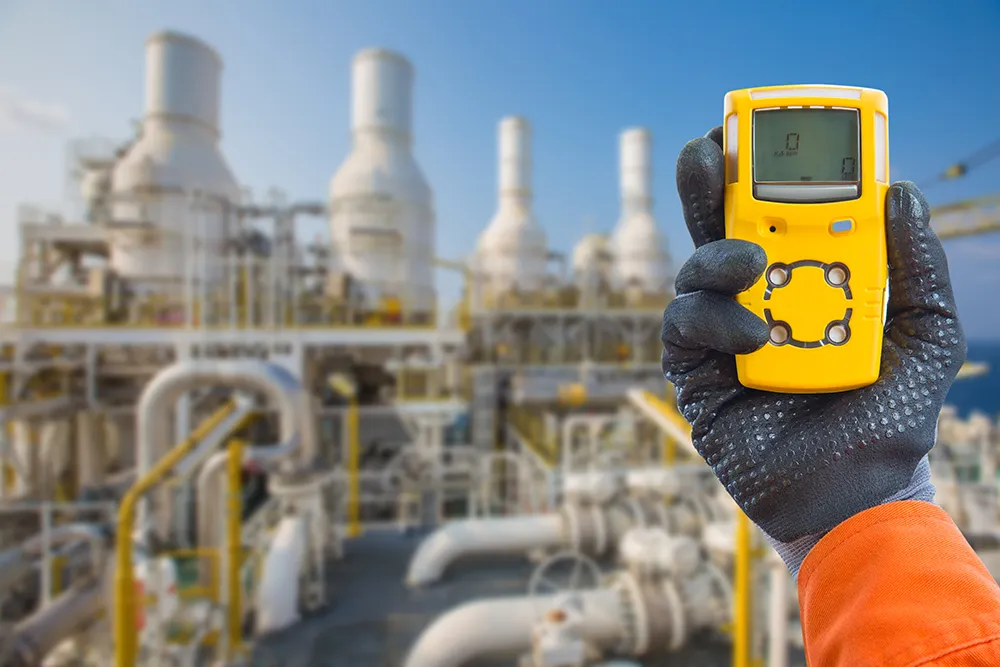
The resolving doubts is a critical step in management of an industrial crisis. It is a legal requirement that must be fulfilled prior toalerting emergency services, aimed at preventing the unnecessary mobilization of these services for minor incidents. The procedure is based on the correlation of facts that suggest a risk originating from industrial facilities. This step is crucial for effective crisis management and the safety of all responders.
Gesip recognizes the crucial role of security guards, who are the first link in the emergency response chain and responsible for resolving concerns. Security guards, often employed by private security firms, must be well-prepared to respond to a security incident at an industrial site. That is why Gesip offers specialized training designed to strengthen their understanding of best practices and improve the quality of their response to security concerns.
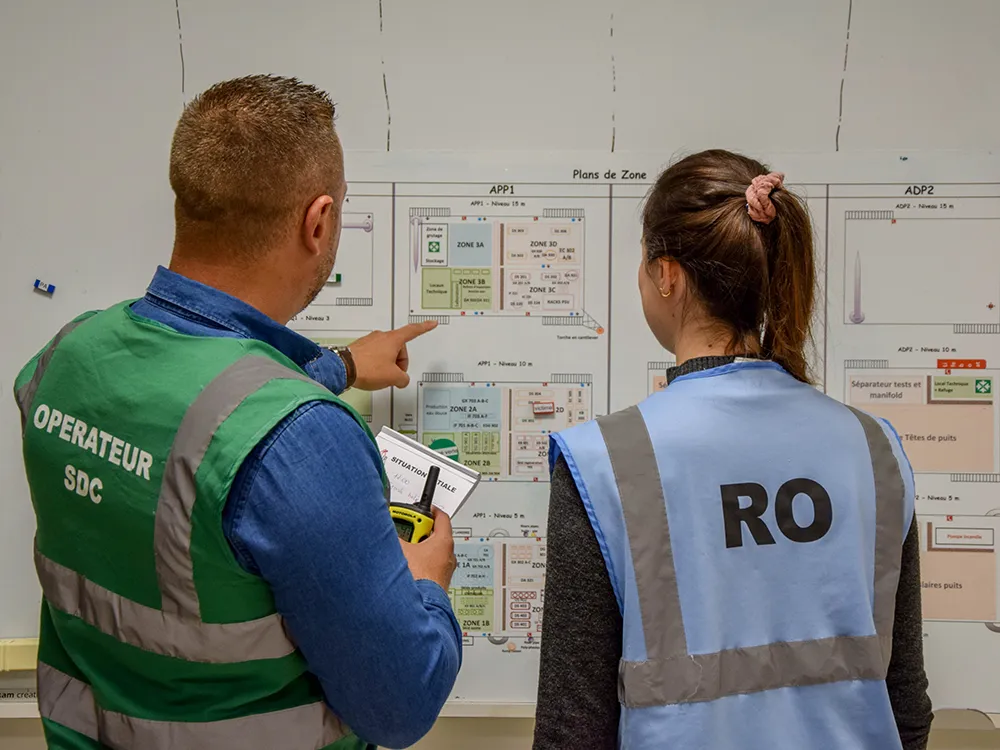
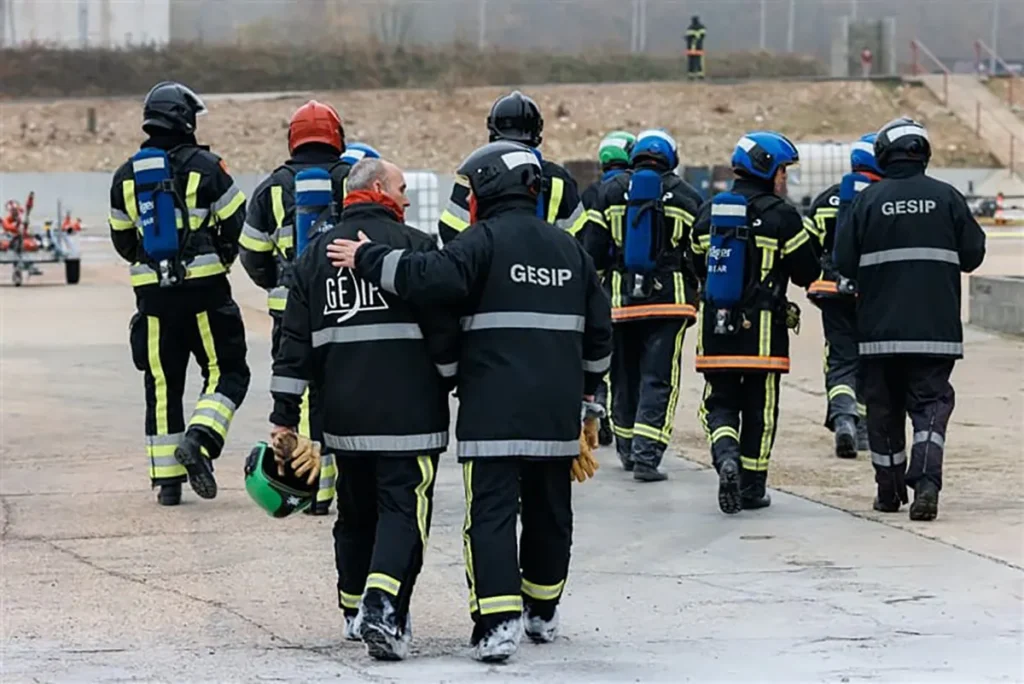
Gesip training programs are based on solid practical expertise. Participants learn how to use emergency response charts, assess an emergency situation, and communicate effectively with all stakeholders. In addition, they gain familiarity with the firefighting equipment available on site. The training also includes a practical assessment to verify that participants have acquired the necessary skills.
Support for operators subject to Internal Emergency Plans (IEPs)
Operators ofclassified facilities for environmental protection (Low-Threshold SEVESO) and new entrants subject to the amended ministerial decree of October 3, 2010 face strict regulatory requirements. Gesip offers its expertise to support them in this complex process with POI consulting services.
Gesip's support includesthe creation, development, or revision of emergency response plans, their validation, as well as the organization and observation of emergency response plan drills, including annual and night-time drills.
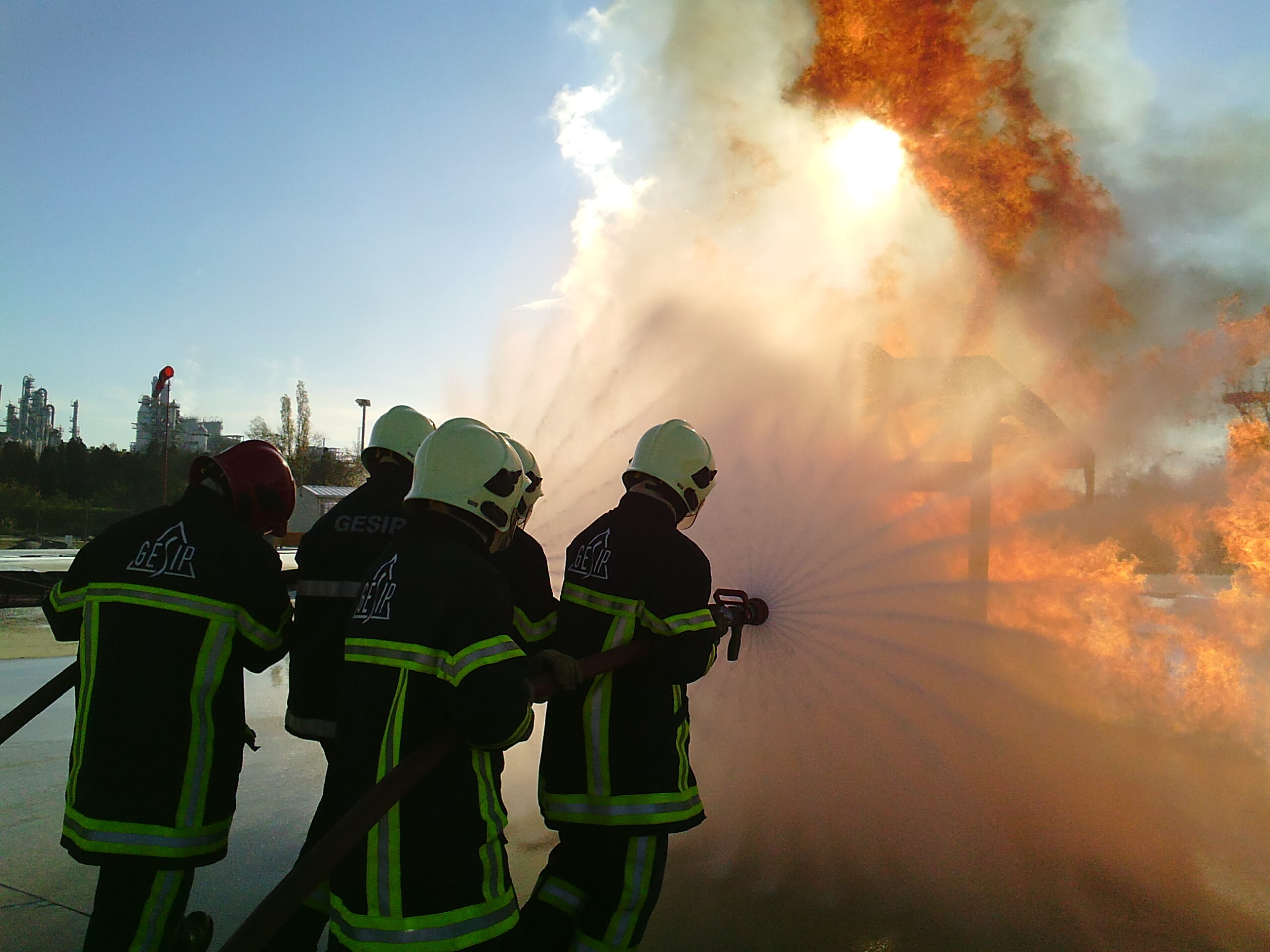
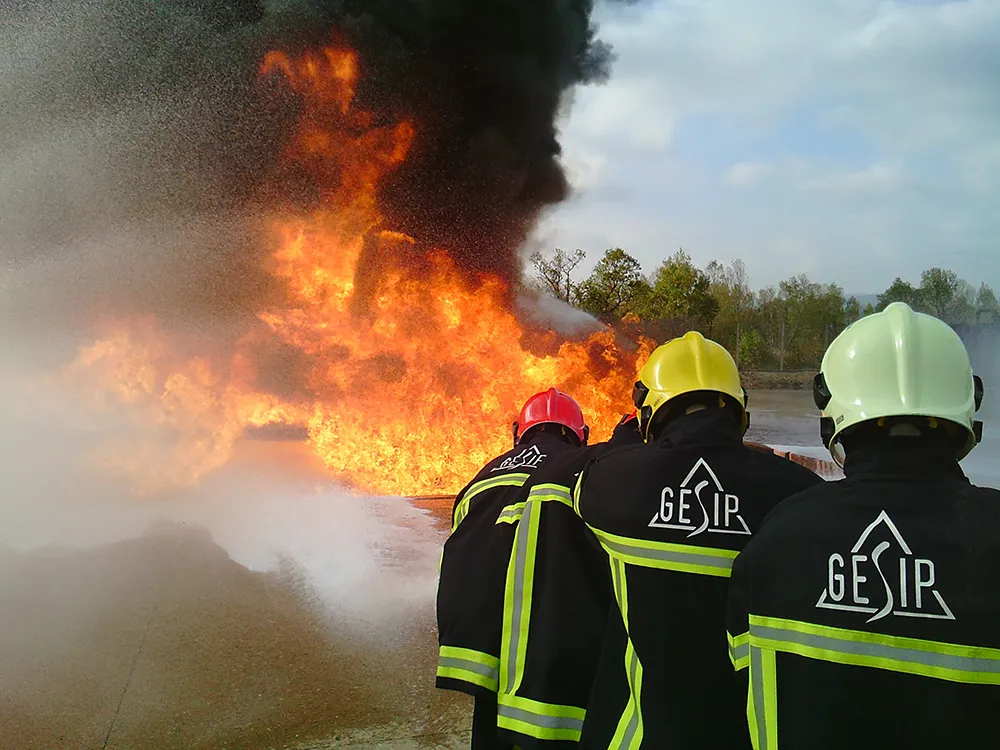
Gesip met à disposition des industriels un capital de connaissances à travers ses guides techniques et ses documents pratiques. De plus, Gesip organise des formations sur l’application du POI sur les installations industrielles et des formations impliquant des feux réels sur ses plateaux techniques, lesquels sont uniques dans le monde. La force des formations de Gesip réside dans leur approche pratique, basée sur le partage d’expérience et de connaissances.
En résumé, la coordination entre les industriels et les services de secours, soutenue par Gesip, est la clé d’une gestion de crise réussie. La préparation en amont, la coordination pendant la crise et l’analyse après l’incident sont autant d’étapes cruciales dans cette collaboration pour lesquelles Gesip accompagne les industriels. Il en va de la sécurité des personnes, de la préservation de l’environnement et de la pérennité des activités industrielles.