In the field of pipeline management and environmental risk management, crisis management is a critical issue. The GS CANA training course, designed for industrial professionals by Gesip, offers specialized training to enhance participants’ ability to handle these complex situations. Alain Fuchs, a crisis management trainer at Gesip, explains the importance of this training. Drawing on his expertise, he details how the course prepares participants to effectively handle crises, while addressing essential technical, regulatory, and communication aspects. In this interview, discover the key objectives and benefits of this training.
In a nutshell, what is the GS CANA internship?
Alain: The “Managing a Crisis for a Pipeline Operator or Transporter” (GS CANA) course is a specialized training program designed for industry professionals. Its primary objective is to help these professionals better understand and manage crisis situations related to pipeline operations and environmental risks. More specifically, it enables each participant to grasp current regulations, such as those regarding multi-fluid shutdowns, and to train in environmental risk management during a crisis. Finally, it provides hands-on experience in incident management within a Command Post (CP) setting, which is essential for effectively managing an emergency situation.
What challenges do pipeline operators and transporters face in the event of a crisis?
Alain:Pipeline operators and transporters face numerous major challenges during a crisis. First, the incident often occurs off-site, which means the team must coordinate its actions with external stakeholders, such as public emergency services, law enforcement, as well as the media and the public. It is crucial to have an effective on-site organization, with a well-structured Command Post and clearly defined roles. Rapid management of the technical and media response is essential to prevent the crisis from escalating further.
What are the most common mistakes people make during a crisis?
Alain:Among the most common mistakes is often an underestimation of the environmental and media impact. Inadequate communication management can exacerbate the situation, particularly when it comes to interacting with the media and the public.
How does this training help improve decision-making in crisis situations?
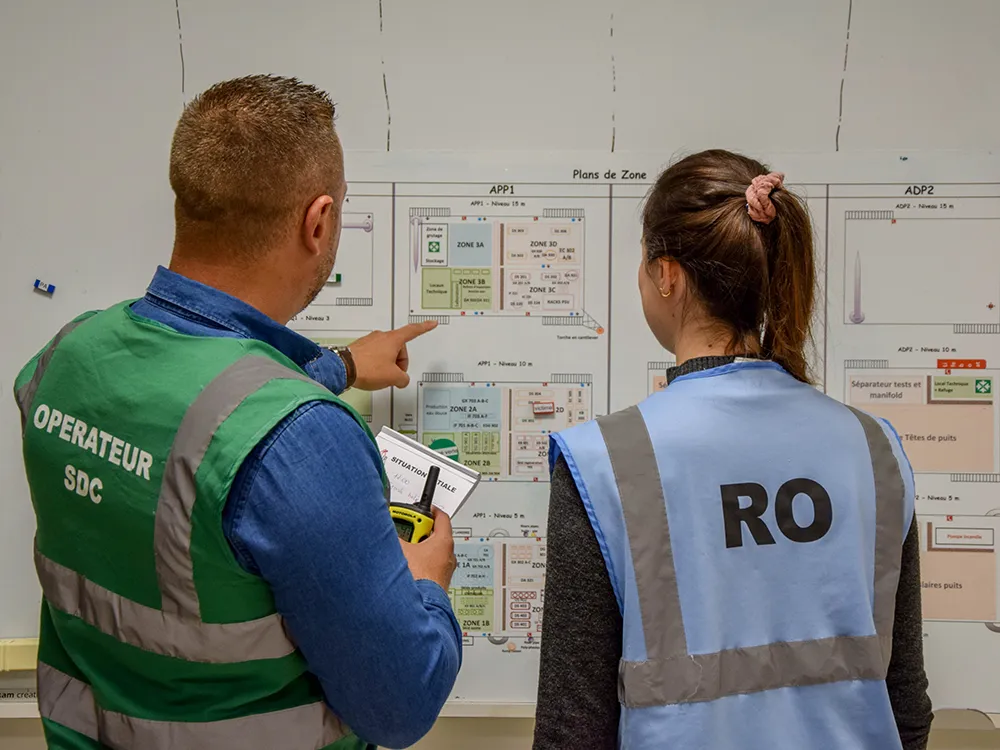
Alain:The GS CANA training program takes a hands-on approach to crisis management through a variety of scenarios. It gives participants the opportunity to step into the shoes of different roles within the Command Post. These simulations allow participants to test technical response options, work on communication strategies with public emergency services, government agencies, and the media, while making decisions on concrete actions in crisis situations. Experiencing these moments in a real-life setting allows participants to better understand the implications of each decision and to improve their responsiveness and effectiveness in the field.
What types of role-playing exercises are conducted during the training program?
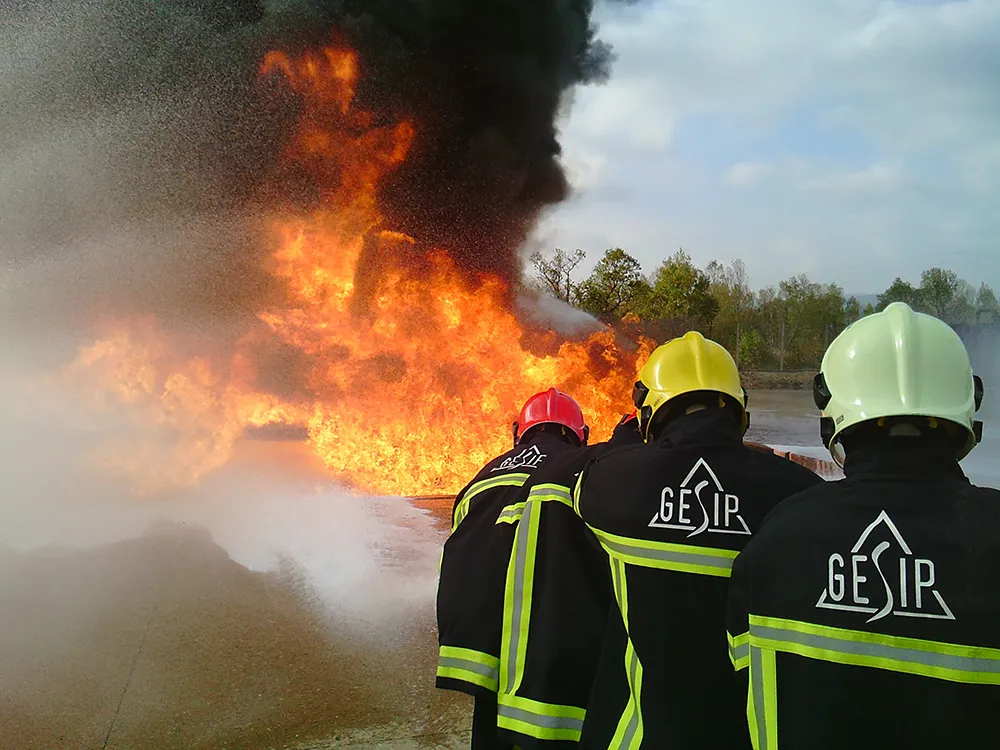
Alain:During the training course, several scenarios are presented to allow participants to deal with different types of crises, depending on the specific risks associated with the pipelines and fluids involved (flammable liquids, gases). These simulations cover a wide range of hazardous situations, from leaks and spills to more serious incidents. These scenarios provide a fully immersive experience, promoting hands-on learning and the management of the various aspects of a crisis.
What are the key points of the training?
Alain:The key elements of the GS CANA training course revolve around the establishment of an Operations Command Post (PCEx) with the essential functions of the RIO (Structure Intervention Manager) and the RLT (Local Carrier Representative), as well as the implementation of the PSI (Intervention Safety Plan) for transmission pipelines. This PCEx interacts not only with public emergency services and government agencies but also with local communities, which requires precise coordination and effective management of information flows. The training also emphasizes the importance of team preparedness and responsiveness in the face of various types of incidents.
Who would you recommend this course to? Why?
Alain:I would recommend this training course to any industrial professional responsible for managing transmission pipelines or any specialized fluid-handling equipment (such as a pipeline inlet or outlet station). Firefighters, whether from public or industrial sectors, are also key players in managing this type of crisis. The more training and practice we have, the better equipped we are to effectively manage a crisis, thereby minimizing risks to the environment and people. This course is an opportunity for anyone in the sector to strengthen their skills and be better prepared in the event of a major incident.
This interview highlights the importance of GS CANA training in ensuring optimal crisis management and strengthening teams’ preparedness for complex emergency situations involving pipelines. We would like to extend our sincere thanks to Alain Fuchs for his valuable insights and shared expertise.
Are you interested in our training program? For more information, click: HERE