Hydrogen, although known for a long time, is now establishing itself as a proven alternative energy source, rapidly integrating into direct mobility solutions and e-fuel production processes. As decarbonization becomes a priority, the rapid rise of low-carbon and renewable hydrogen marks a decisive step forward in the transition to a green economy.
Nevertheless, this trend also raises political and hydrogen safety, while requiring stakeholders to adapt quickly, particularly in terms of training and hydrogen (H2).
Hydrogen Safety Challenges
Advantages of hydrogen
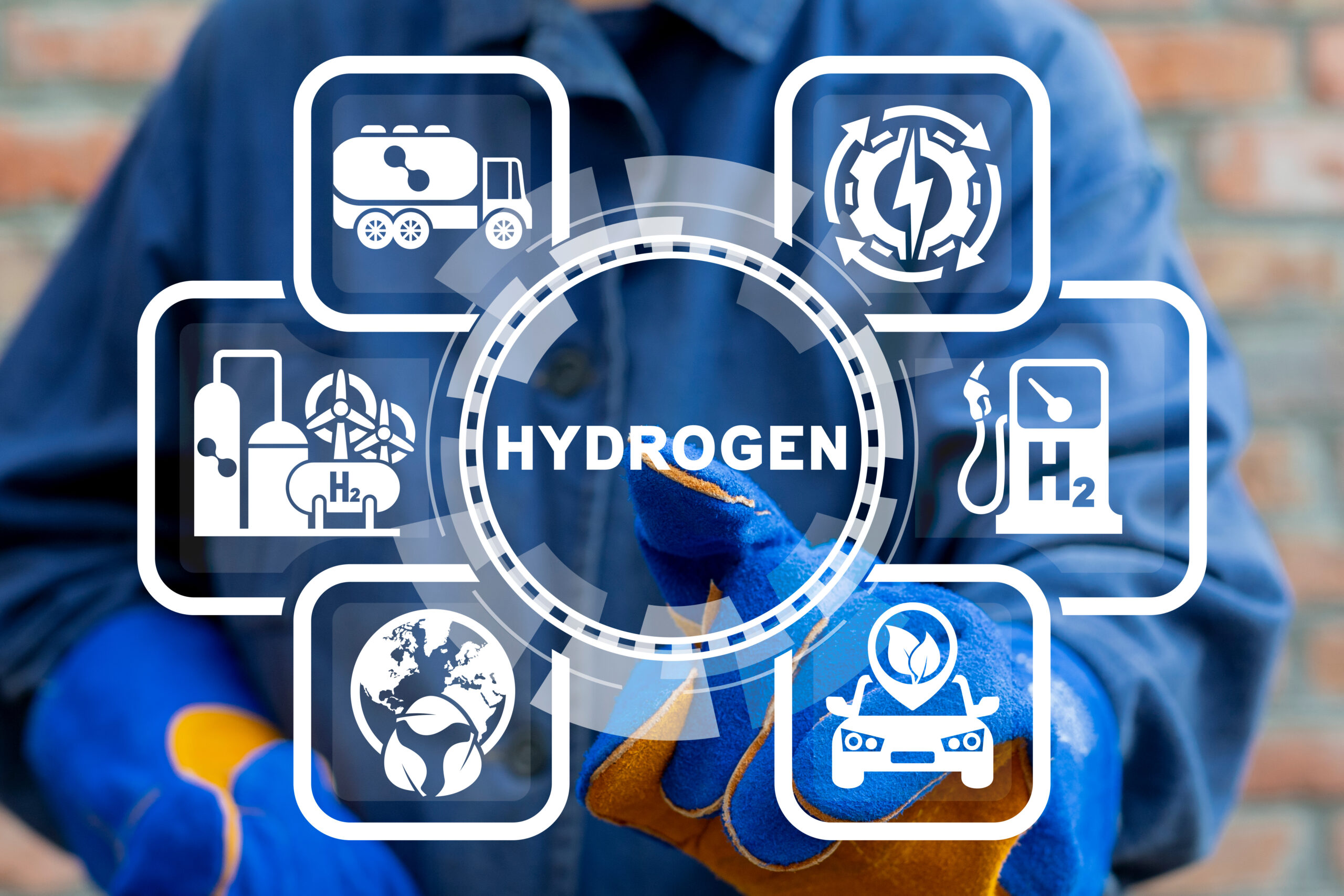
Hydrogen, known for its lightness, non-toxicity, and its ability to disperse quickly in the air, offers considerable advantages as a source clean and efficient.
As an energy source, it is valued for its high energy density and minimal environmental impact in terms of emissions, offering a promising alternative to fossil fuels.
Risks Associated with Hydrogen
However, hydrogen (H2) poses specific risks, mainly due to its high flammability. Indeed, because its activation energy is very low, hydrogen ignites easily.
The combustion of hydrogen in air produces a nearly invisible flame and a very high temperature of 2045°C.
Furthermore, its small molecular size increases the risk of leaks in an industrial facility. Hydrogen is odorless and colorless, which makes detecting leaks difficult.
Safety Instructions
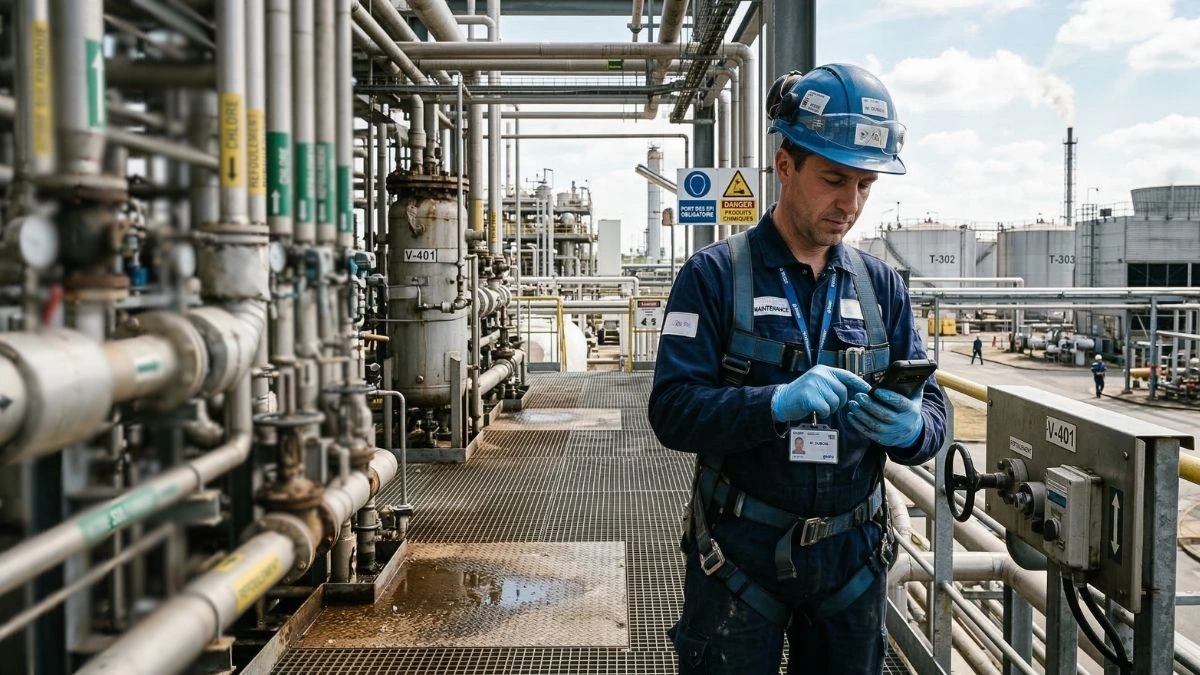
To manage these risks, industrial sites must follow strict safety guidelines:
- Limit quantities : Monitor the amount of hydrogen stored and define hazard zones to implement appropriate preventive measures.
- Avoid confined spaces : Prevent the accumulation of hydrogen in enclosed spaces where there is a risk of explosion.
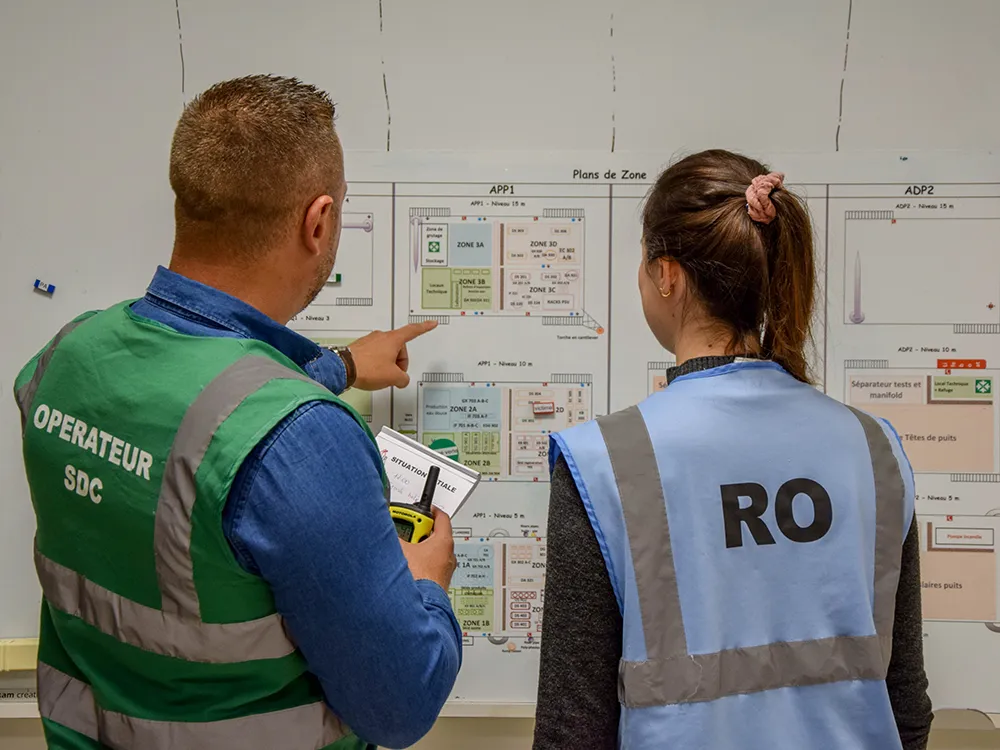
- Define ATEX zones : Identify and mark areas where explosive atmospheres may form, and take appropriate preventive measures.
- Avoid all sources of ignition : Eliminate potential ignition sources, including static electricity, electrical sparks, or open flames.
- Minimize clutter in these areas : Keep areas where hydrogen is stored and used clear to facilitate access in case of an emergency.
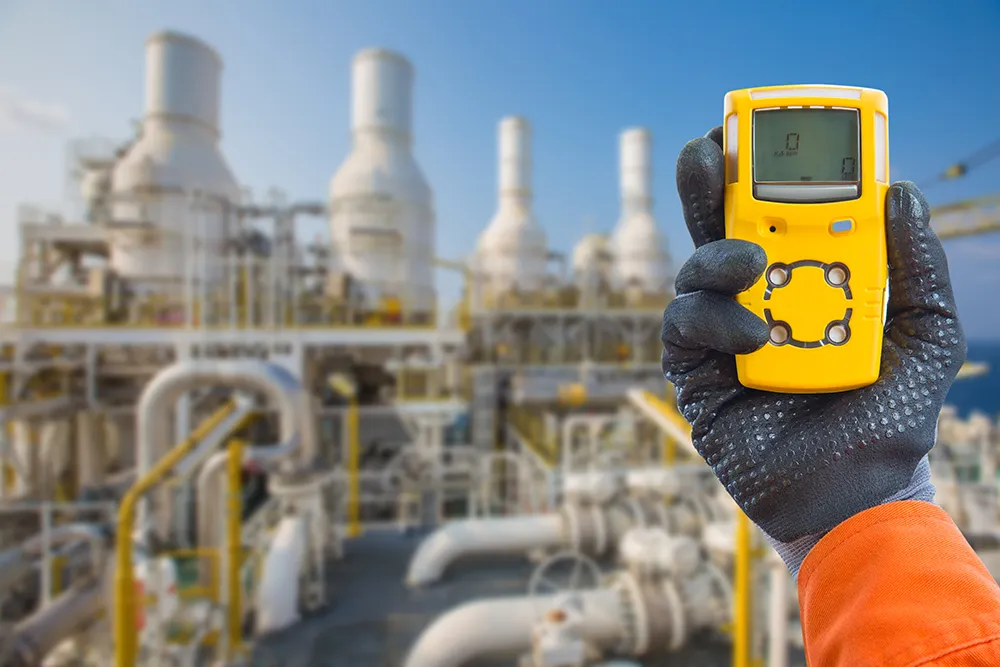
- Leak and flame detection systems : Install detection equipment to quickly identify hydrogen leaks and the early stages of a fire.
- Install passive barriers : Use equipment that can vent or limit the spread of hydrogen in the event of a leak.
- Train staff : Provide comprehensive training to ensure that employees are familiar with the physical and chemical properties of hydrogen and the procedures to follow in the event of an emergency.
- Integrate Lessons Learned (LL) : Analyze and learn from past incidents to continuously improve safety practices.
Developments in Hydrogen Safety Issues
The diversification of methods for storing and transporting hydrogen—whether in gaseous, liquid, or solid form, stored in tanks or underground cavities, transported by train, ship, or pipeline, or in the form of ammonia or e-fuels—opens up a whole new range of applications.
The expansion of hydrogen applications, particularly in the mobility sector and heavy industry, such as steelmaking, as well as for other new players less familiar with this gas, raises new safety concerns.
This rapid growth will also lead to an increase in hydrogen risk—a risk that has long been managed in traditional industry but is new to certain sectors. There will be a significant need for specialized training to ensure the safety of users and facilities, thereby enabling the safe and efficient use of this key energy resource.
The hydrogen training courses offered by Gesip are designed to equip professionals with the knowledge needed to manage the risks associated with the development ofcarbon-free hydrogen in various application contexts.
Hydrogen Safety Training with Gesip
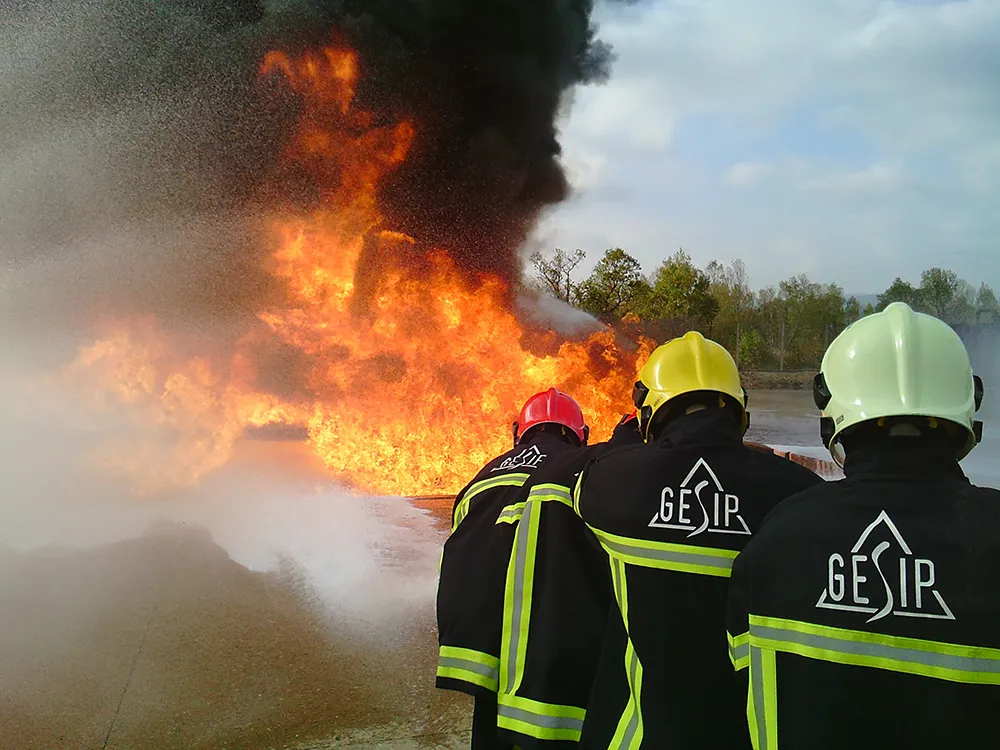
Gesip’s new training offerings for 2024 focus on responding to hydrogen-related incidents. These new hydrogen training programs (H2) are specifically designed to equip professionals with essential skills in hydrogen fire suppression.
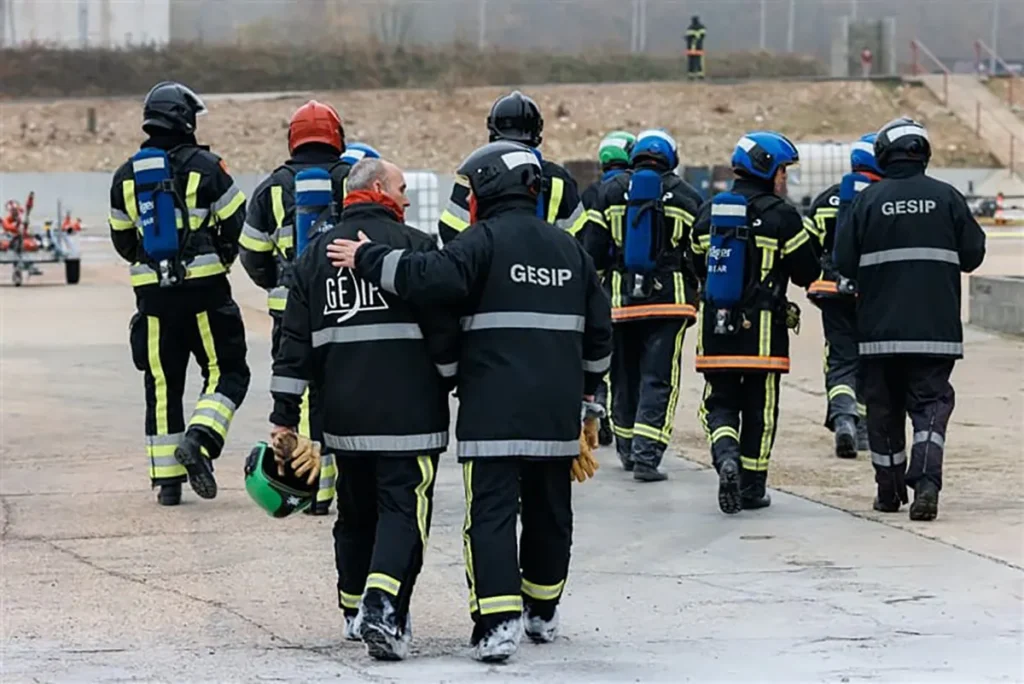
Available at the Roussillon (H2R) and Vernon (H2V) sites, these training courses offer a comprehensive approach that combines theory and practice to provide in-depth expertise in hydrogen risks, with Gesip leveraging the full-scale facilities at its two technical centers.
It is worth noting that Gesip also offers industrial players online hydrogen training: e gesip H2. An update to the “INCIDENT MANAGEMENT (GS)” training courses, featuring new scenarios—including a flaming leak from an H2 storage facility and a fire involving fuel cells connected to an ESS—will be available in 2025.
Hydrogen Fire Response Training in Roussillon (H2R)
This hydrogen fire response training aims to equip trainees with the skills needed to identify and respond effectively to a flaming hydrogen leak. Key points of the H2R training include:
- Compréhension théorique : Les stagiaires reçoivent un enseignement approfondi sur les caractéristiques physico-chimiques de l’hydrogène, y compris sa combustion, son comportement en cas de fuite, et les méthodes de stockage. Cette partie théorique couvre également la réglementation actuelle et les dispositifs de sécurité spécifiques à l’hydrogène.
- Hands-on demonstrations : Participants will be exposed to realistic scenarios involving flaming hydrogen leaks. These demonstrations are designed to highlight the differences between hydrogen leaks and those of other gases, such as LPG and CNG, thereby reinforcing an understanding of hydrogen’s specific reactions.
Hydrogen Fire Response Training in Vernon (H2V)
The H2V training in Vernon complements the Roussillon program by focusing on specific response scenarios. Key aspects of this training include:
- Responding to Flaming Leaks : Trainees will learn how to handle various types of hydrogen leaks, including leaks from flanges and pipes. These hands-on sessions are designed to develop the skills needed to respond quickly and effectively in an emergency.
- Realistic case studies : Participants will engage in realistic simulations to develop a practical understanding of interventions in real-world situations.
- Enhanced theoretical training : In addition to demonstrations, participants will receive detailed instruction on the specific characteristics of a flaming hydrogen leak, enabling a comprehensive understanding of the challenges and best practices for response.
Characteristics of hydrogen and associated risks (e-Gesip/H2)
Our e-Gesip/H2 Hydrogen Risk Training Course will provide a comprehensive overview of the physical and chemical properties of hydrogen and explore the theory of its combustion in detail. The goal is to equip all professionals working with hydrogen with an essential and fundamental understanding of this gas.
Le programme de la formation abordera les aspects clés tels que les méthodes de stockage et de distribution de l’hydrogène, les risques liés à son utilisation, ainsi que les protocoles à suivre en cas d’incidents, notamment les fuites ou inflammations, que ce soit dans des espaces confinés, des installations de stockage ou de distribution, ou encore sur des véhicules transportant ou fonctionnant à l’hydrogène. Chaque module met un accent particulier sur le cadre réglementaire actuel et ses évolutions, permettant aux participants de rester à jour sur les meilleures pratiques et les normes de sécurité dans le domaine de l’hydrogène.
In summary, as the use of hydrogen expands across various sectors, it is essential that professionals be equipped with the knowledge and skills needed to manage the associated risks. Gesip’s training programs—whether delivered at our technical facilities in Vernon and Roussillon or via our e-Gesip distance learning platform—are specifically designed to meet these needs.
We invite you to explore our detailed training offerings to learn how Gesip can help your organization manage hydrogen-related risks.