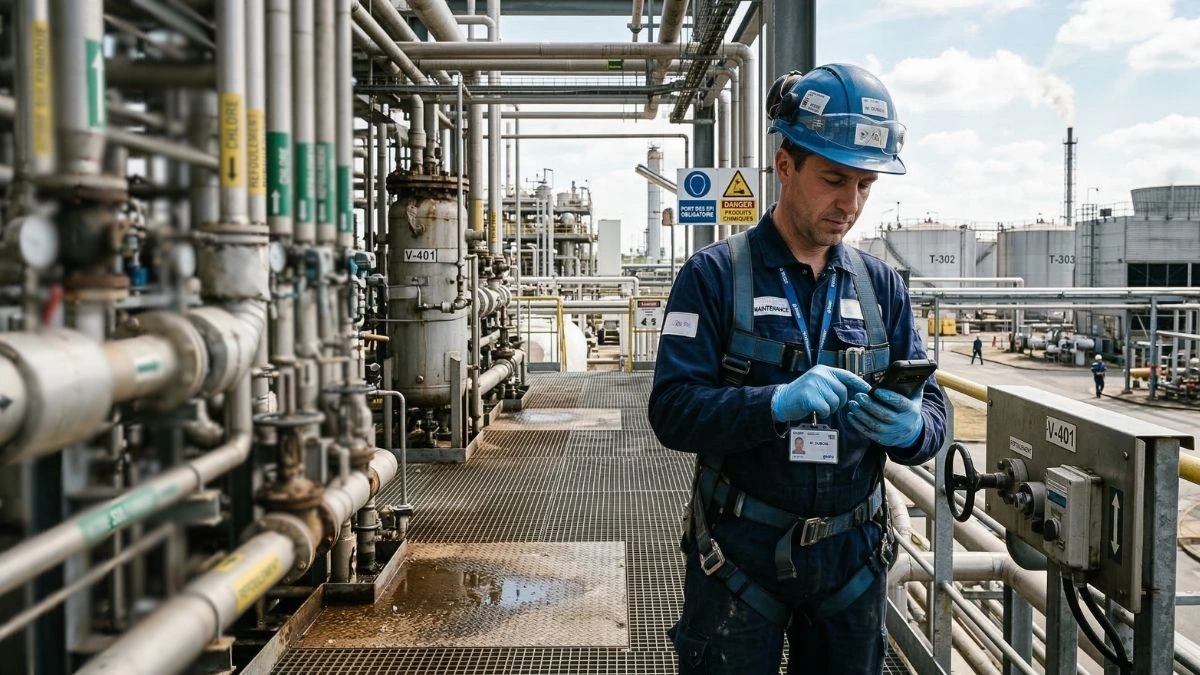
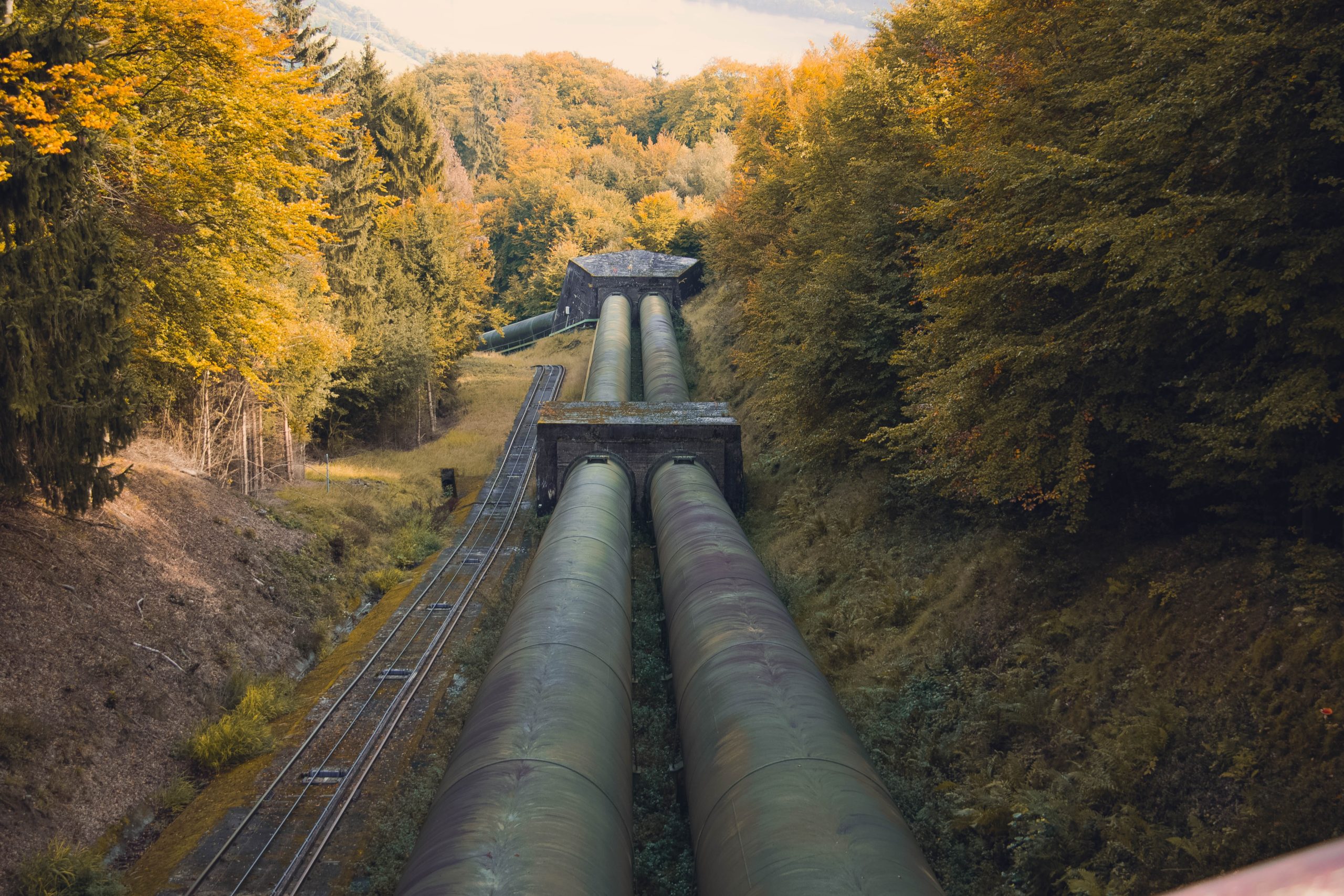
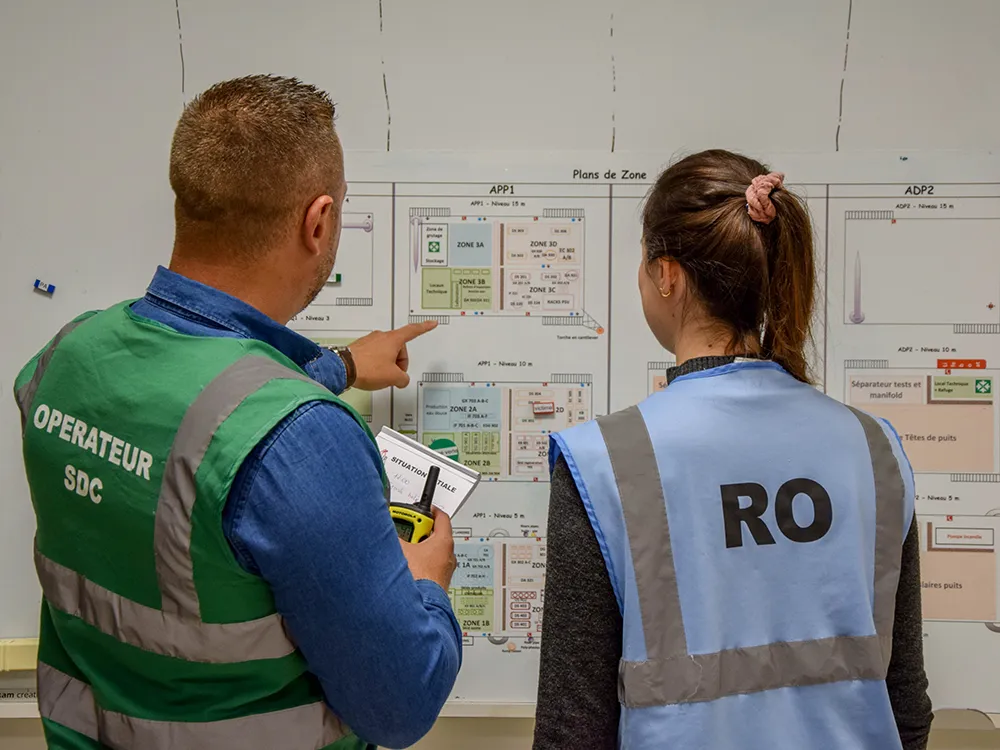
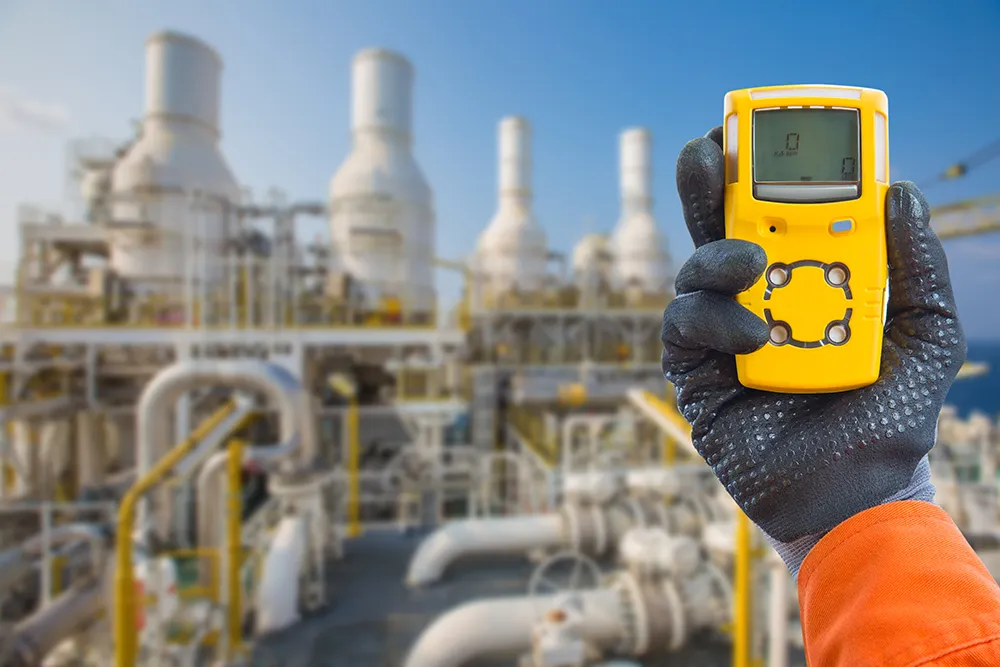
Today, pipelines are the safest way to transport large quantities of hazardous materials. But there is no such thing as zero risk. In fact, risks cannot always be fully controlled. For example, the accident in Ghislenghien, Belgium, in 2004 and the one at the Vaux-le-Pénil pipeline facility in early 2020 are, unfortunately, proof of this.
These accidents generally have serious consequences. Their severity depends on the characteristics of the product being transported through the pipeline. Liquids, gases, or liquefied gases released into the environment can cause environmental damage, including fatalities or other collateral damage. The extent of this damage depends on the characteristics of the transported products, specifically their hazards: toxicity, harmfulness, or flammability.
Les industriels doivent donc définir un plan de sécurité et d’intervention pour une canalisation de transport afin d’assurer la prévention ainsi que la maîtrise des risques.
Safety Issues in Pipelines Used to Transport Hazardous Materials
Accidents involving transmission pipelines are primarily caused by external damage to distribution pipelines. This is sometimes due to construction work carried out near the pipelines. Other possible causes include:
- A failing organ;
- Operational errors;
- Inappropriate monitoring or control measures.
Work carried out near pipelines used to transport and distribute hazardous materials is subject to very strict regulations. To this end, it is necessary to comply with the provisions of Articles L. 554-1 through L. 554-5 and Articles R. 554-1 through R. 555-61 of the Environmental Code and their implementing decrees, in particular the decree of February 15, 2012.
It is therefore mandatory to consult the one-stop shopto obtain a list of operators affected by the planned work and to understand the risks involved. This online service, launched in 2011, facilitates communication regarding the work between the project owner, the project manager, and each contractor and network operator.
See also:Incident management for pipelines transporting hazardous materials
What is the pipeline transportation safety and response plan?
The provisions of the Multifluid Order require the use of a Safety and Response Plan (SRP) for any work on facilities associated with a transmission pipeline. In short, a PSI is an Internal Operations Plan (POI) for pipelines located outside a fenced-in site. It defines the measures implemented by the pipeline operator in the event of a pipeline incident.
Gesip's expertise in pipelines for the transport of hazardous materials
L’accompagnement des industriels face aux risques industriels
With its expertise and 70 years of experience, Gesip is committed to improving industrial safety. To this end, the company has developed expertise in preventing risks associated with pipelines through its GS CANA training programprogram.
The Gesip training course on incident management for pipelines transporting hazardous materials (GS CANA)
The training “How to integrate into a crisis management team at a transportation company or pipeline operator” complies with Article L6313-1 as a program for acquiring, maintaining, or advancing knowledge.
It is intended for industrial personnel with crisis management responsibilities at a transportation company or pipeline operator.
The course requirements are as follows:
- Implement a Safety and Response Plan (SRP),
- Implement the organization of the Operational Command Post (PCEx)
- Master the use of the tools provided by the Safety and Response Plan (SRP) and the Operational Command Post (OCP),
- Know how to respond in the event of an accident involving pipelines used to transport any type of product.