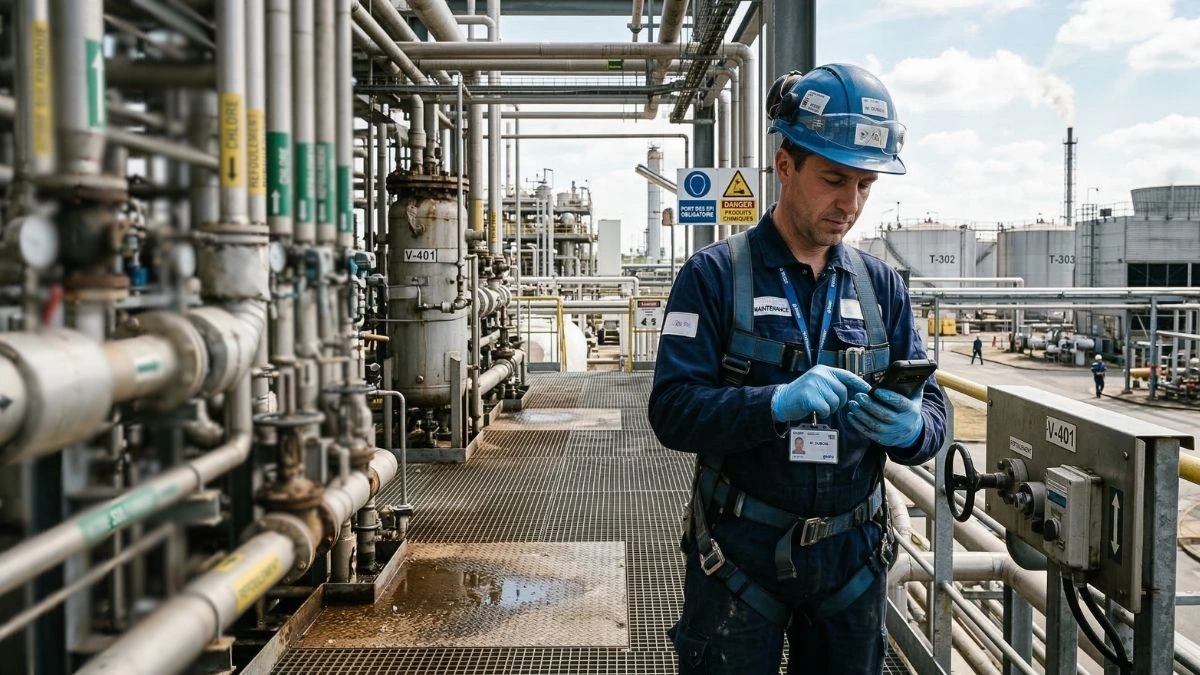

Pipelines for transporting hazardous materials, which are subject to ministerial decrees, saw significant growth beginning in the 1950s.
As such, these networks are currently classified into three categories of hazardous materials: natural gas (which accounts for 73% of the total length of the 50,000-kilometer French pipeline network for the transport of hazardous materials), hydrocarbons (crude oil and refined products: 19% of the French network), and chemicals (ethylene, oxygen, nitrogen, hydrogen, etc.: 8% of the French network).
Gesip, a community of experts with 70 years of experience, works to improve industrial safety by sharing knowledge and monitoring regulations. As part of this effort, Gesip has developed expertise and skills in the prevention of risks associated with pipelines used to transport hazardous materials, which it shares through its GS CANA training courses.
Read:Industrial Risk Prevention During a Plant Shutdown
Pipelines for Transporting Hazardous Materials and Safety Issues
Although pipelines are the safest way to transport large quantities of hazardous materials, accidents still occur. This was particularly the case in 2004 in Ghislenghien, Belgium, and more recently, in March 2020, on a pipeline in Vaux-le-Pénil.
These incidents have serious consequences: environmental damage, loss of cargo, business interruption, fatalities, and indirect damages. Each type of cargo transported (liquids, gases, liquefied gases, etc.) has its own characteristics (toxic, hazardous, flammable, etc.) that pose specific risks.
Accidents, leaks, and nearly all complete ruptures are primarily caused by external damage to the transmission pipeline, usually resulting from construction work carried out near the structure. Other causes of these incidents include external or internal corrosion, material or welding defects, leaks at joints or flanges, chemical reactions, etc.
Read:Training on Industrial Chemical Hazards
Prevention of incidents and accidents involving pipelines used to transport hazardous materials.
Regulations strictly govern work carried out in the vicinity of pipelines transporting hazardous materials. Compliance with the requirements of Sections L. 554-1 through L. 554-5 and Articles R. 554-1 through R. 555-61 of the Environmental Code and their implementing decrees, in particular the decree of February 15, 2012.
Regulatory changes have made it mandatory to consult the one-stop shop “reseaux-et-canalisations.gouv.fr” to obtain a list of operators affected by the scope of the planned work and to better understand the risks involved. The launch of an online service in 2011 has significantly streamlined this process. Communication between the project owner, the project manager, and external contractors is formalized within the One-Stop Shop.
The project owner must submit a Notice of Proposed Work (DT), and the contractor must submit a Notice of Intended Commencement of Work (DICT) to each of the relevant network operators. In return, the network operator must provide the best available maps of its network and issue appropriate safety instructions; it must also progressively improve the mapping of its networks.
Gesip's expertise in training
For the experts at Gesip, risk management requires an understanding of events and analysis, but even more importantly, it involves empowering and supporting industry stakeholders. With 70 years of experience in the field of industrial safety, Gesip has established itself as a leading provider of safety training.
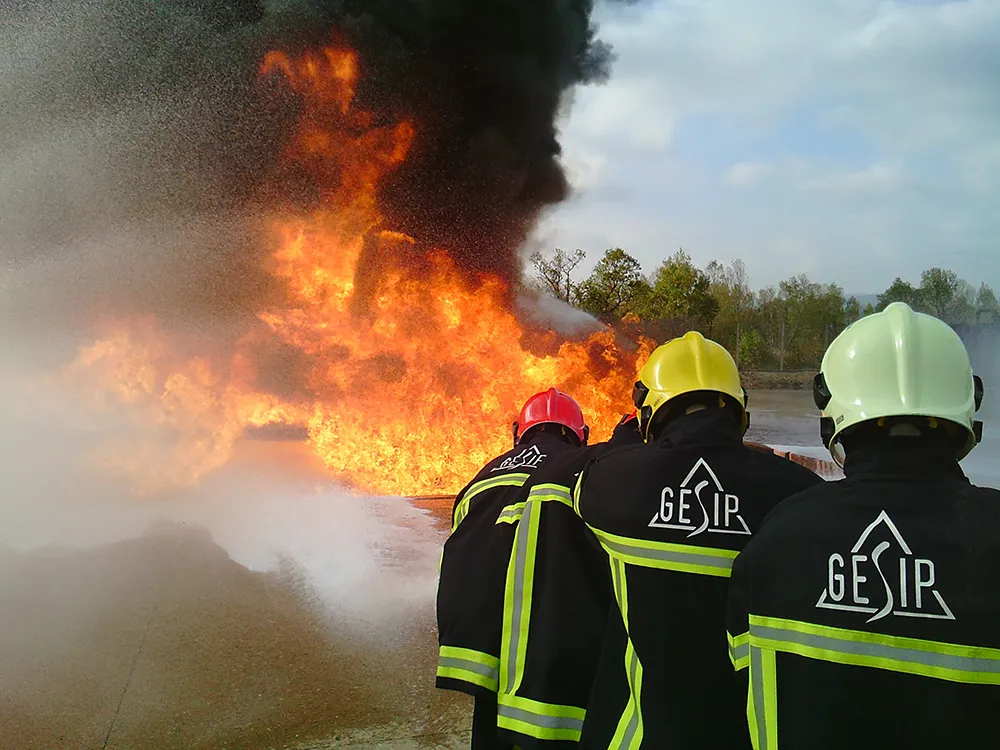
Our training courses are taught by professionals with extensive experience in industry and public emergency services at our two Gesip technical training centers, which feature full-scale facilities that are unique in Europe.
In addition, the Gesip community also provides its partners and members with technical guidelines developed by internationally recognized expert committees.