



L’ère industrielle en plein développement nécessite un accès à l’énergie dans les meilleures conditions d’approvisionnement et de consommation possibles. Le domaine des transports (véhicules terrestres, aériens et maritimes) est devenu un énorme consommateur en énergie et doit sécuriser son développement. Pour ce faire, il doit pérenniser de nouvelles ressources de consommation et d’approvisionnement. Le secteur du transport par véhicule est, en effet, dominé très majoritairement par le pétrole (gazole et essence sans plomb). L’arrivée du nouveau carburant bioéthanol est en train de rebattre les cartes de ce marché à destination des industriels.
Bioethanol, a new fuel and a promising alternative to gasoline and diesel
The development of biofuels has seen significant progress in recent years. But what is bioethanol? How is it produced?
Definition of bioethanol
As a fuel for certain types of gasoline engines, bioethanol is produced from organic materials of plant or animal origin. This plant-based biofuel is simply ethyl alcohol.
Methods of bioethanol production
At the European level, France is the leading producer of bioethanol. First-generation bioethanol is produced from starch crops such as wheat or corn, as well as sugar crops such as sugar beets or sugarcane. Second-generation biofuel is produced from wood biomass and forest residues.
Key ethanol figures in France:
- There were 15 industrial sites with ethanol tanks at the end of 2018, and around 38 sites by the end of 2021.
- Ethanol consumption in France (including in ETBE) has risen by 30% over the past three years (2021 vs. 2018), with pure ethanol estimated to have increased by 44%.
The use of bioethanol as a biofuel in engines
Bioethanol bioethanol can be blended with gasoline in various proportions. For example, E85 fuel contains 15% gasoline and 85% ethanol. In France, E85, known as superethanol, has been available for sale since early 2007.
Just over 1,000 gas stations were selling Superethanol E85 by the end of 2018, and nearly 3,000 by the end of 2021.
See also:What are the different colors of hydrogen gas?
The Challenges of Using Bioethanol in Industry
Bioethanol is used in the pharmaceutical and medical sectors, as well as in the cosmetics and food industries. In the transportation sector, there is now a high concentration of gas stations in France that supply E85 fuel to vehicles.
As part of the work of the Gas Station Committee, a daily prevention plan (DPP) has been developed. It is available in the form of carbon-copy books for companies that wish to use them.
The risks associated with the use of bioethanol
Risk management does not hinder the development of biofuels. On the contrary, all safety aspects throughout the life cycle and supply chain of biofuels must be properly managed.
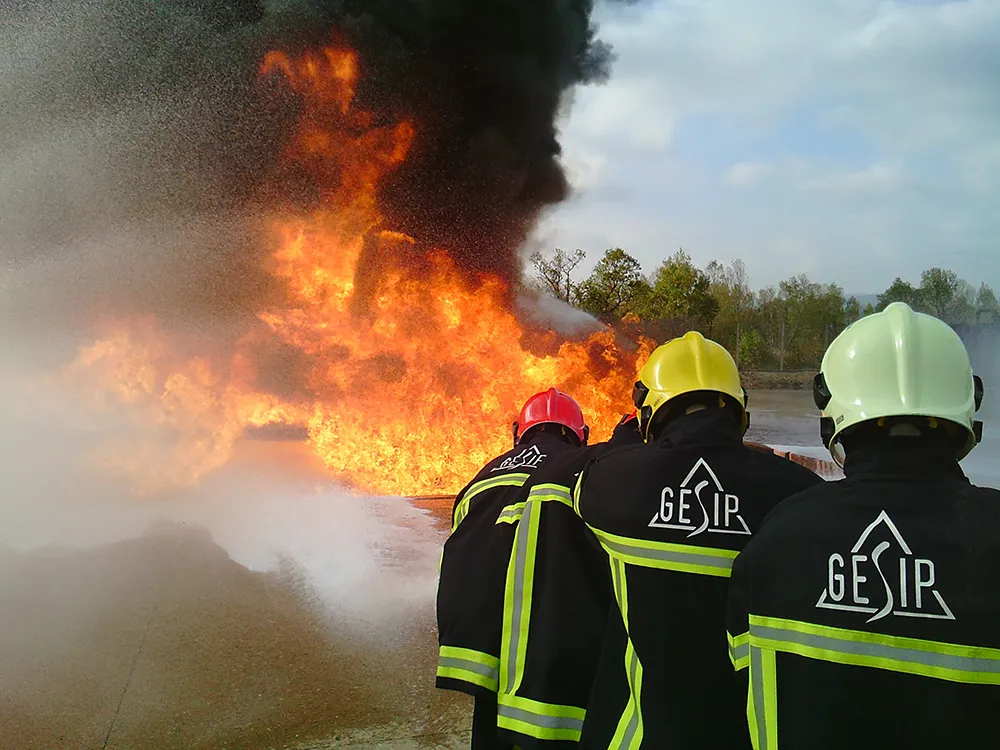
Risques d’incendie, utilisation d’acides et de bases, risques dûs au stockage sont aujourd’hui parfaitement bien gérés grâce à la réglementation. Les nouveaux carburants demeurent donc à ce jour une opportunité très intéressante pour les industriels.
La consommation en hausse des biocarburants nécessite un accompagnement des industriels
En tant que référence dans le domaine de la sécurité industrielle, Gesip participe à la prévention des risques. Il offre aux industriels des formations techniques théoriques et pratiques. L’expertise Gesip en matière de maîtrise de ces risques, accompagne les industriels dans la gestion de ces nouveaux carburants.