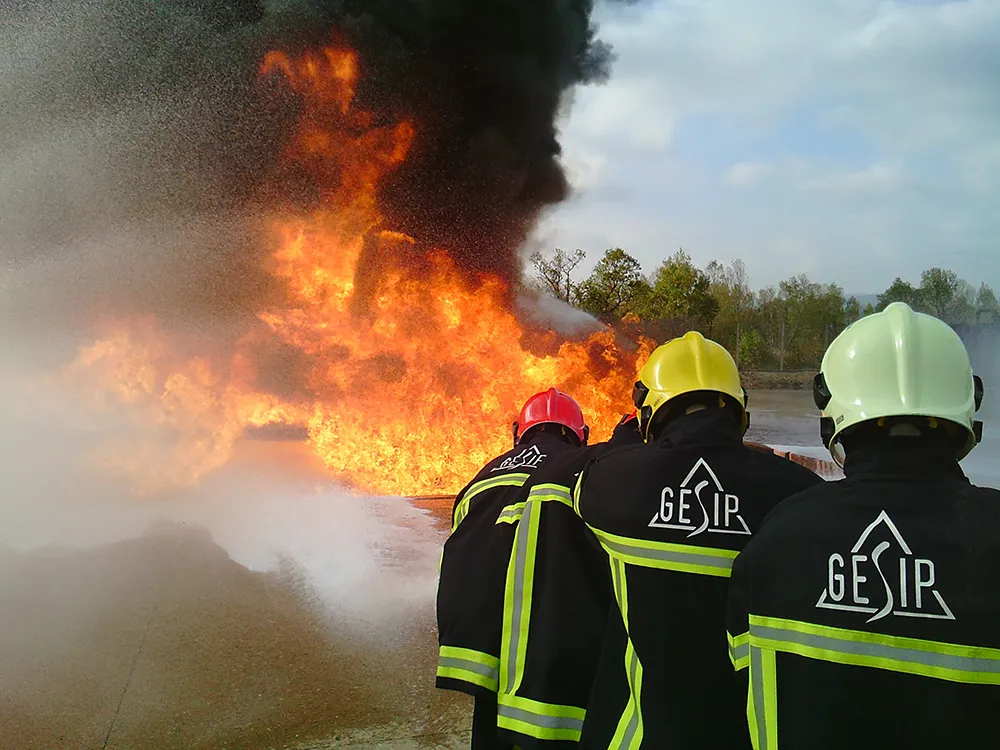
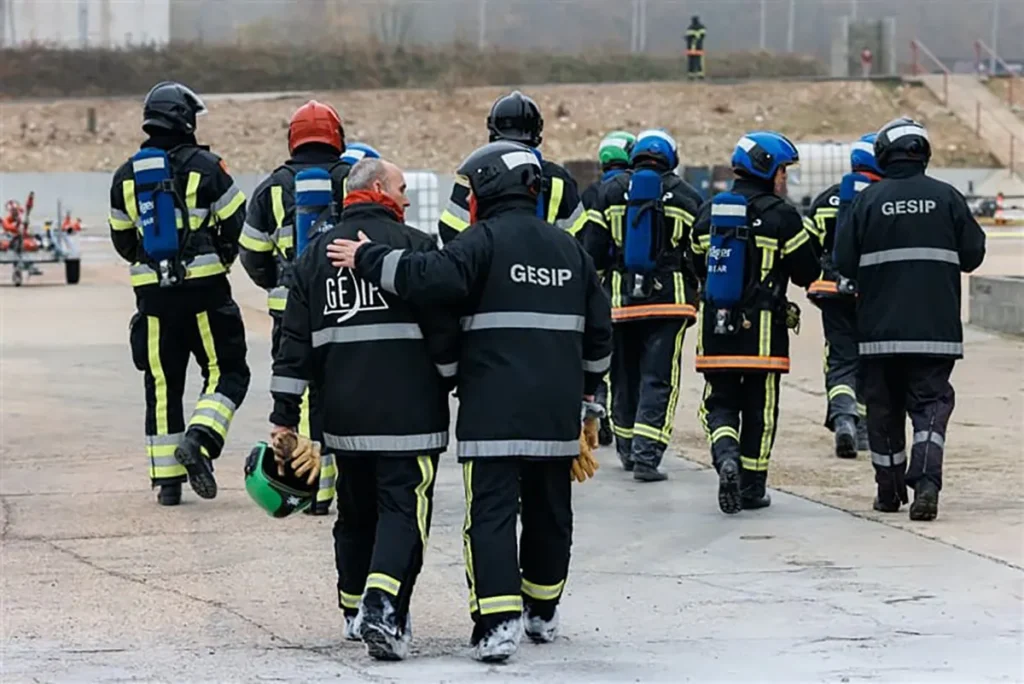
Gesip's mission is to help improve safety performance and promote a culture of health, safety, and the environment (HSE). To that end, we provide training on chemical hazards to equip teams with the skills needed to prevent, manage, and control risks.
Training on chemical hazards is essential to ensure that risks are identified, assessed, and managed by the relevant teams through the implementation of appropriate preventive procedures. Wearing chemical protective clothing is a critical step in managing these risks.
Chemical protective clothing (CPC)
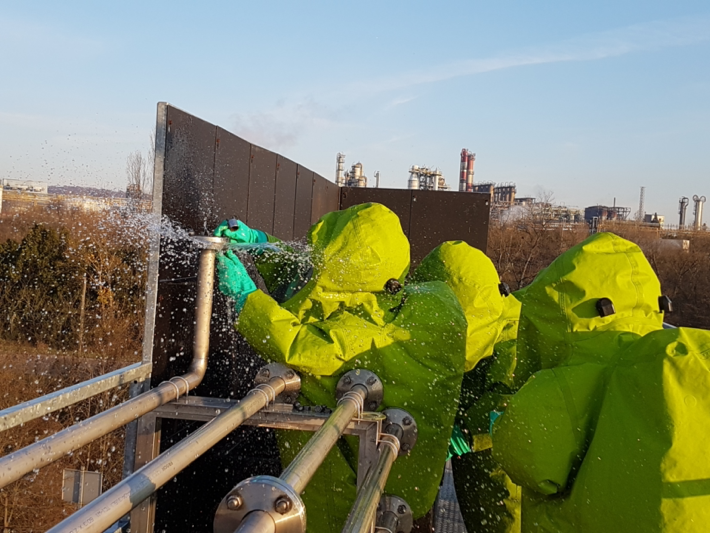
Personal protective equipment (PPE) and respiratory protection provide users with protection against various chemical hazards, including liquid splashes, chemical and gas vapors, particles and aerosols, and sprays and mists.
Under ISO 16602 (2007): “Protective clothing against chemicals—Classification, labeling, and performance requirements,” six levels of protection (types of protective clothing) have been identified to facilitate the selection of chemical protective equipment, with each level of safety specified for each type of equipment.
- TYPE 1: Impermeable to gaseous chemicals and vapors.
- TYPE 2: Not gas-tight.
- TYPE 3: liquid-tight.
- TYPE 4: aerosol-tight.
- TYPE 5: impervious to solid particles and fibers.
- TYPE 6: Resistant to light spraying and low-pressure splashes.
See also:Safety at chemical industrial sites: risks and regulations
Gesip Chemical Hazards Training
Our chemical risk training courses are designed, in particular, to provide detailed information on the requirements for chemical protective clothing, including the regulatory and standards framework, as well as the guidelines for inspecting and maintaining such equipment.
Gesip Chemical Risk Assessment
With 70 years of experience, Gesip is a community of experts dedicated to advancing the safety of people and facilities in the industrial sector.
Believing that risk control and management depend on the pooling of knowledge and the sharing of experiences, Gesip offers a diverse range of training programs designed for industrial and logistics sites that combine theory and practice to enhance the learning experience.
In fact, its “chemical hazards” training programs are based on a unique combination of accumulated knowledge, human expertise, and full-scale facilities. All Gesip training courses place trainees in real-life scenarios at one of our sites: Vernon in Normandy and Roussillon near Lyon. Gesip training is delivered by a team recognized for its qualifications, composed of professionals with extensive experience in industry and public emergency services.
Training in Leak Intervention and Sealing During Operation (INTOX OFM)
In particular, our catalog includes the "Leak Response and Sealing During Operation" (INTOX OFM) training course. The objective of the training is to master the procedure for addressing a leak while the system is running using the necessary equipment:
- Analyze the work area and the intervention area in accordance with the operational guide for emergency shutdown.
- Define an area of operation.
- Select chemical-resistant protective clothing and tools suitable for sealing.
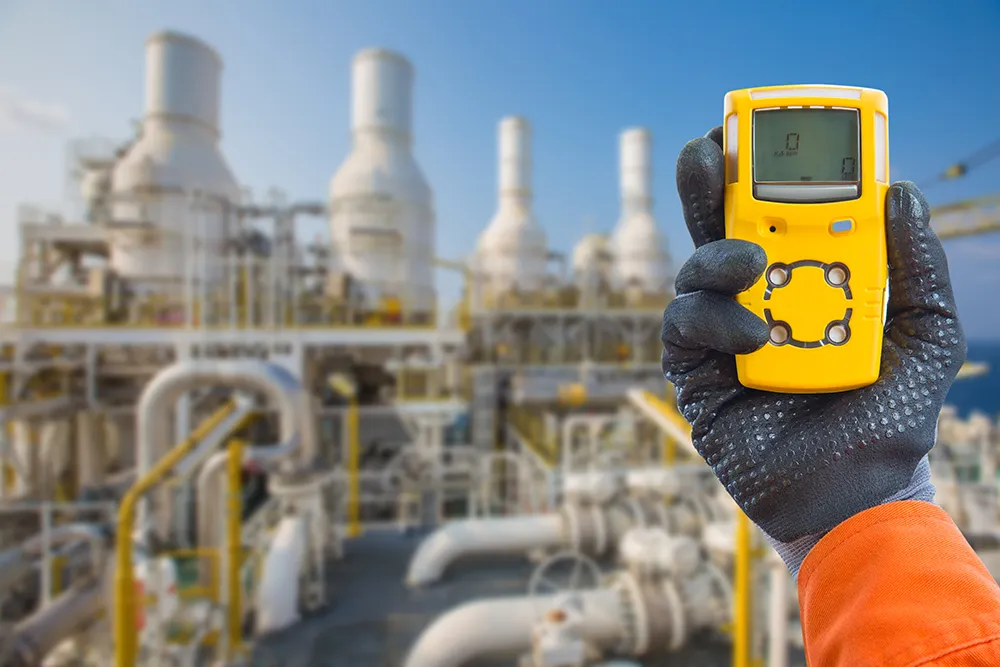
- Become familiar with analytical tools.
- Understand the techniques and proper use of equipment for handling chemical incidents.
- Respond to an emergency drill.
Since 1953, Gesip has been working to improve safety at industrial and logistics sites by offering professionals training, auditing, and consulting services, publications, and discussion groups. To best meet your needs, each of our services can be customized. Please feel free to contact us.