
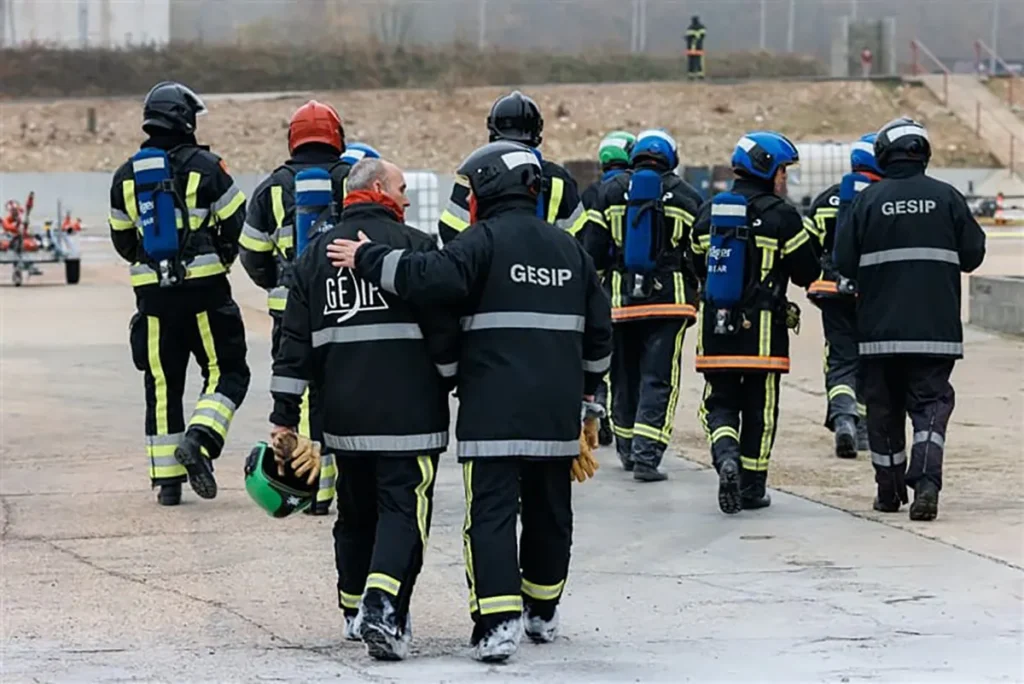
Bernard Brandone, a former industrial lubricants engineer who is now an auditor and consultant for Gesip, answers our questions to reflect on his extensive experience in the field of safety. He tells us about the skills he acquired during his career in the oil industry and how he has put them to good use through his consulting and auditing work with Gesip since his recent retirement.
Could you tell us about your career path, first as an engineer and then as a recently retired auditor at Gesip?
I studied engineering at Arts et Métiers, specializing in engines. I started working in 1970. I began my career at the company’s research center in Le Havre, where I worked in the field of automotive lubricants for eight years. I then spent 23 years working in Paris in the field of industrial lubricants.
Subsequently, my work shifted to the fields of agriculture, heating oil, and natural gas before I moved into safety. I wrote safety procedures and managed the organization of crisis management. In that role, I worked on implementing a global safety reporting software system.
All in all, I have 39 years of experience in the field. Gesip asked me to conduct audits. My connections with the organization stemmed from my participation in meetings of standards-setting bodies. I saw this as an interesting way to put my knowledge to good use. Especially since I have always enjoyed teaching and share the knowledge gained in the field through my travels, encounters, and visits.
What was your role as a consultant at Gesip?
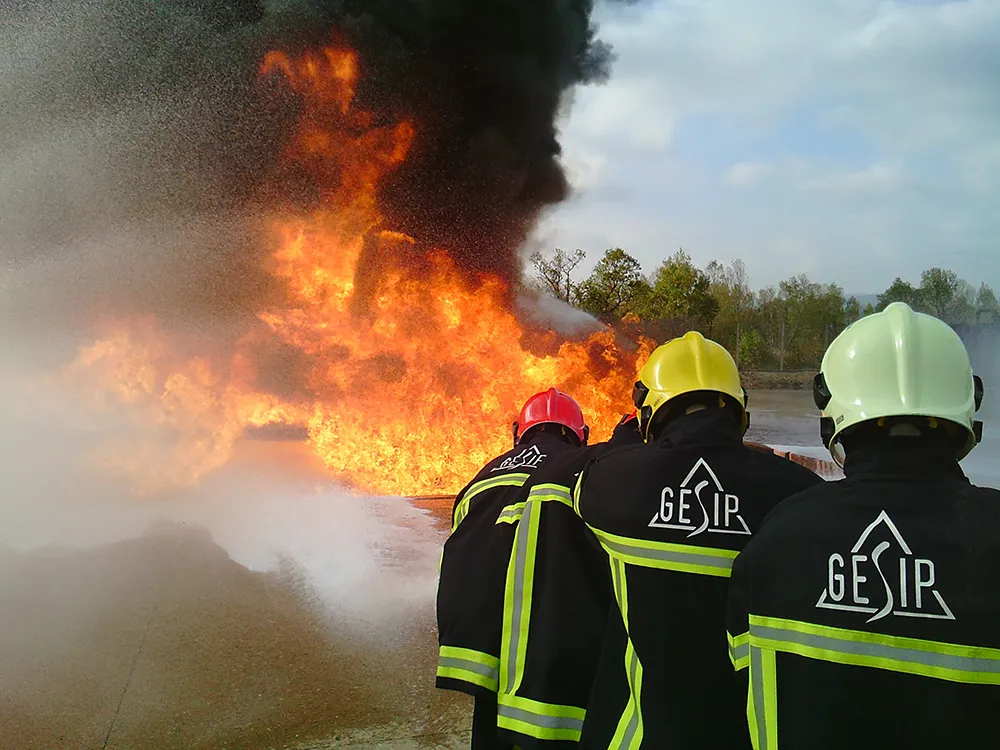
I worked on all the security systems by implementingfire drills within the refineries. These drills have two undeniable benefits: they train the teams and provide an opportunity to conduct an audit process by reviewing and analyzing procedures, organizational structures, personnel, and so on. Site staff are then able to identify their own shortcomings and weaknesses and propose their own solutions.
We were able to reap the full benefits of these exercises thanks to a knowledge-sharing network. In fact, I attended an annual conference organized to present our findings. These conferences, which served as genuine forums for sharing experiences, were complemented by field visits.
Can you tell us about a memorable project from your time at Gesip?
The project that stands out most in my mind is the one we carried out in Mayotte as part of a factory expansion, during which I also had the chance to explore the island.
The goal was to increase electricity generation capacity using diesel engines. This created a strong need todevelop an IOP (Internal Operations Plan) with Gesip’s assistance. This is where I stepped in for the most far-reaching assignment of my professional career at Gesip.
My role involved both explaining the process of developing the POI and supporting its implementation. Throughout my career, I have come to deeply appreciate thevalue of this exercise in ensuring the reliability of knowledge and enabling teams to internalize it that I had requested to supplement the assignment with a practical exercise.
We reviewed all the fire safety calculation guidelines together, with the ultimate goal of passing on this knowledge to the on-site teams. This was similar to the work I’ve done throughout my career—such as fire safety meetings and on-site inspections, particularly of equipment like fire monitors—all with the same goal: to be able to effectively combat any major incident.
There was a risk inherent in the role of external auditor—coming from an organization commissioned to conduct a study—that the teams might not be fully engaged. So getting the staff on board was a very interesting challenge. Once again, I drew on my professional experience to always focus on persuasion rather than imposing my will.
Quel message souhaitez vous faire passer auprès des jeunes retraités d’industrie ?
Encourage and inspire young retirees to get involved with Gesip.
For me, Gesip has been the means to fulfill my calling as a “mentor” and educator. It’s about not only passing on knowledge to younger generations, but also conveying the vital and decisive importance of hands-on experience and feedback as well as the value of discussing matters with the teams on the ground.
Here are two more examples to illustrate this point:
- The project to draft specifications for fire trucks, which required a hands-on examination of the trucks as well as visits to refineries to determine requirements.
- The Leuna refinery in Germany is renowned for its safety expertise. However, during a full-scale fire drill, foam could not be delivered to the designated containment basin because one of the booster pumps needed to pressurize the water system had been bypassed by maintenance personnel.
Gesip relies on knowledge of incidents and the sharing of experiences to improve the safety of people and equipment in the industrial sector.
We are looking for new consultants to put their skills and knowledge to good use on a wide range of rewarding audit and training assignments. Join us and be part of a major project.