
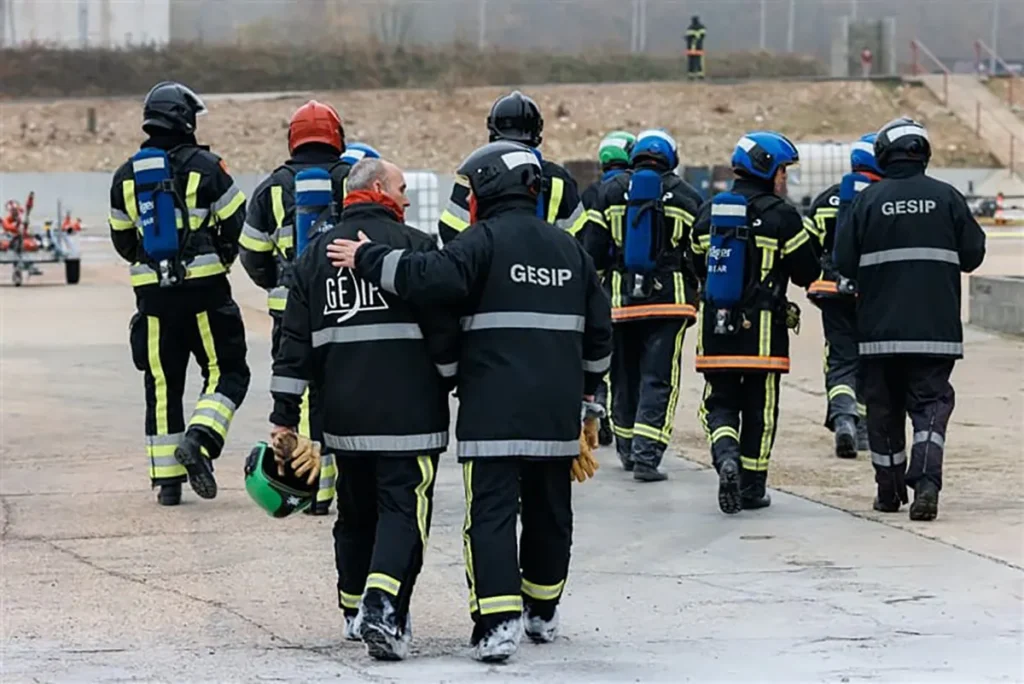
Anne-Laure Robert, a refueling operations manager at an airport, recently completed a refueling training course through Gesip, along with other participants. She decided to reflect on this “thrilling” experience. The refueling training course is designed for people working at an airport and those responsible for performing refueling operations.
Why and how does the fueling technician training program at Gesip work?
This training course was offered to Anne-Laure by her employer as part of her training plan. At first, she was apprehensive about facing a fire. Now, she has completed the training feeling much more reassured and confident about the role she will play in the event of a fire at her workplace. The activities carried out during the training were all relevant to her professional field.
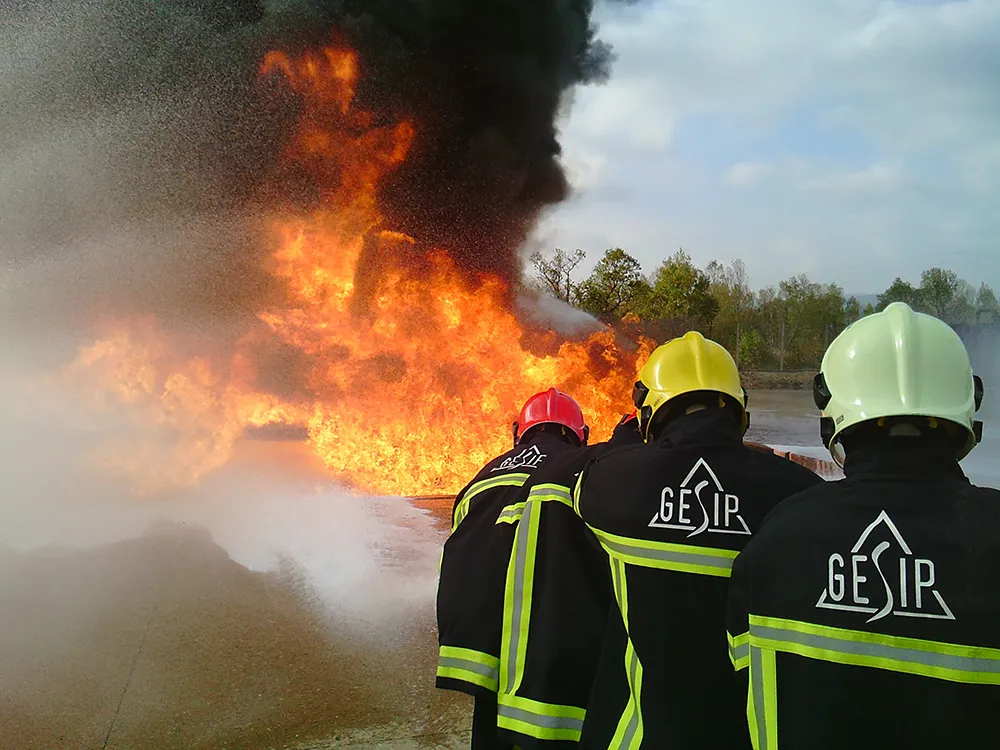
This training session lasted 1.5 days, as the trainee explains: “We arrived on Monday afternoon and were immediately thrown into the thick of things. The instructor explained the purpose of the training and the equipment we would be using.” After the briefing, Anne-Laure and the other participants donned firefighting gear before beginning on-site training. They were then introduced to the use of fire extinguishers, water hoses, and foam hoses.
The next day was divided into two parts. The morning was devoted to learning how to fight a large fire and mastering the steps needed to prevent it from spreading. “We weren’t trying to put out the fire, since that’s the fire department’s job, but rather to fight it, to push it back so we could reach the valve that was letting fuel escape. Once the valve was closed, there was no longer any risk of the fire spreading,” explains Anne-Laure, who adds that she felt safe and reassured throughout the training.
To wrap up the training sessions, Tuesday afternoon was set aside for reinforcing what had been learned through a review of safety rules and a written test.
See also: Join Gesip
How can training at Gesip change the way you work?
Professional training for refueling technicians
La jeune femme a compris la valeur du mot “famille” que l’on entend beaucoup chez les pompiers.Elle nous explique que “si nous ne sommes pas unis et soudés, nous ne pouvons pas gagner face au feu”. Elle a également pris conscience du matériel qu’elle côtoie quotidiennement,et qu’elle utilisera en cas d’incendie “Nous savons maintenant ce que nous sommes capables de faire humainement et matériellement sans se mettre en danger”. Enfin, Anne-Laure s’est vu conforter dans l’idée que s’il y a beaucoup de protocoles à suivre, ce n’est que dans l’intérêt de tous. La moindre négligence peut avoir de graves conséquences. Chaque exercice a été effectué dans des conditions réelles, ce qui permet de rapidement faire le lien entre la formation et le poste des participants.
Gesip training changes you on a personal level
While Anne-Laure has come to terms with her fear of fire, she has also learned a great deal about herself. Today, she knows she is capable of preventing accidents thanks to the protocols in place, but also of taking the first steps to prevent a fire from spreading. This airport employee has also come to understand her limits:“You shouldn’t push yourself beyond your capabilities; that could put you or the people around you in danger.”
Would you like to learn how to prevent industrial accidents at your workplace? Check out our list of training courses. All our training is conducted in a safe environment and under real-world conditions to help participants quickly develop their skills. Gesip, an expert in industrial safety, also offers customized training programs designed to best meet the needs of each organization.