Yves Dervieux, Head of Quality and Development at Gesip, discusses the structure of the major emergency management training program for offshore platforms (also known as GUM Inter) and the feedback received from trainees.
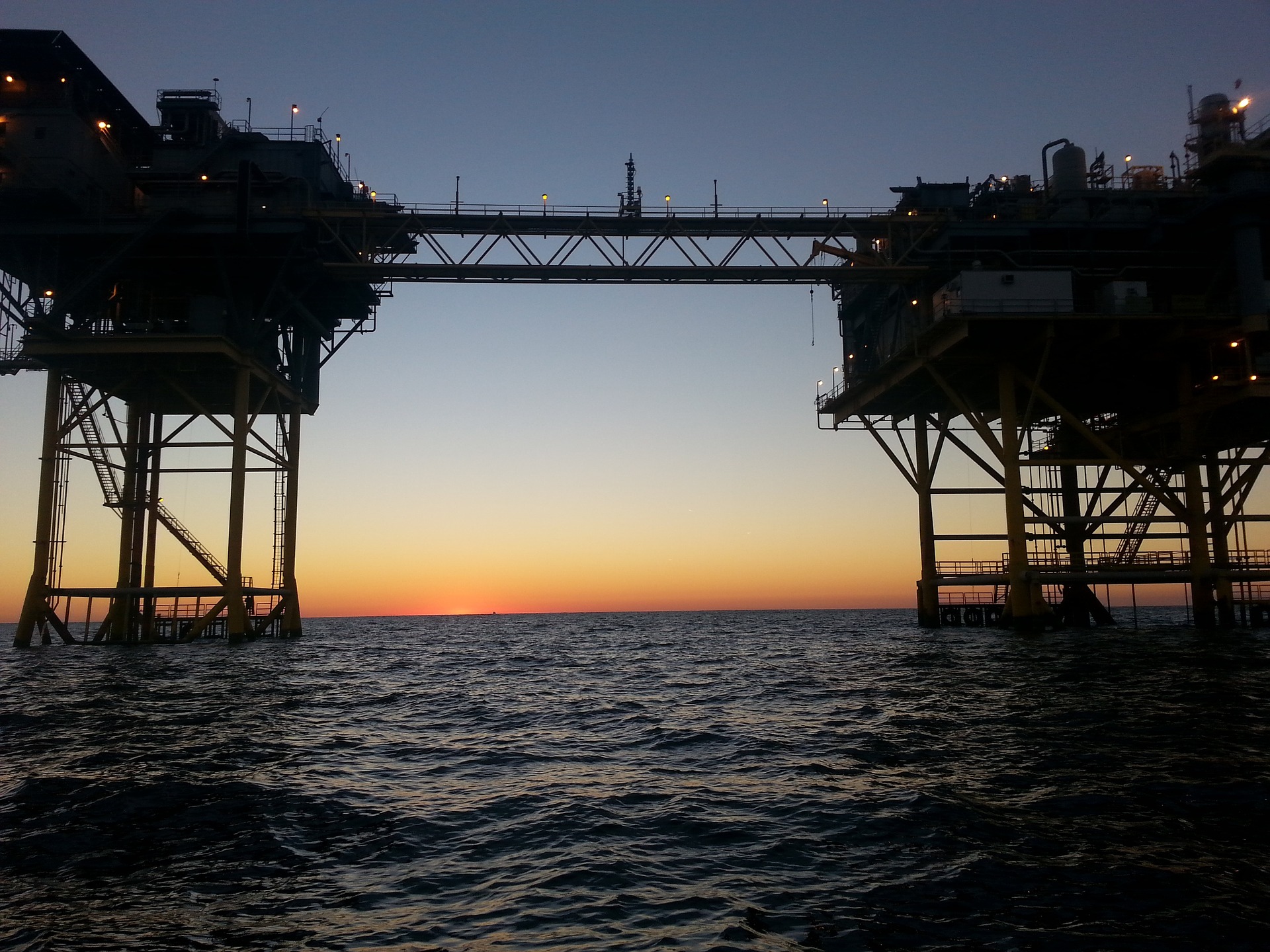
Today, Gesip offers three crisis management training programs for the offshore industry: the Medium- or Large-Scale Exercise (EMGA), On-Site Major Emergency Management (SMME), and the inter-company Major Emergency Management (GUM Inter) training program, which we will discuss in more detail later.
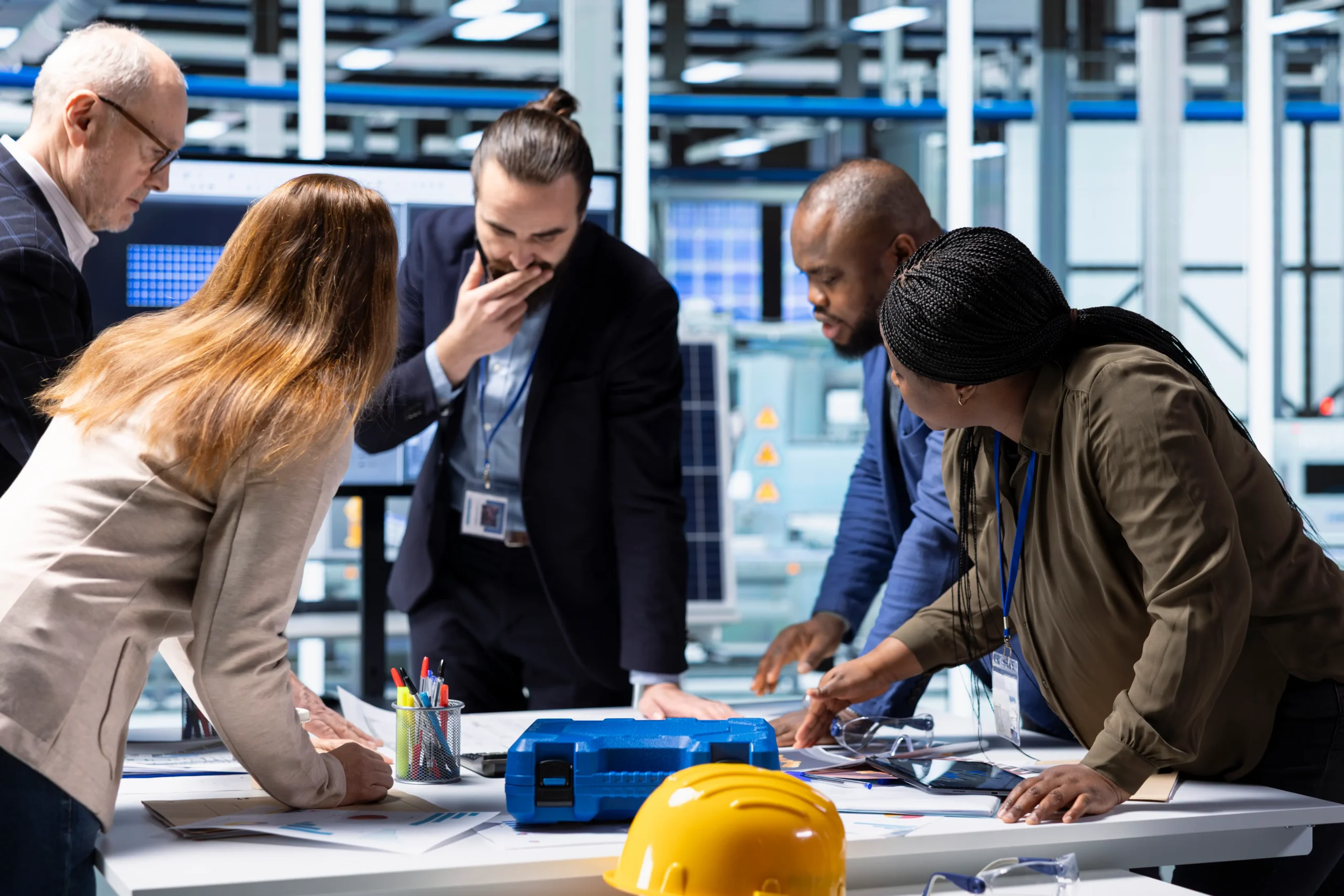
The SMME training is designed to train staff and assess the effectiveness of a platform’s crisis management organization. Meanwhile, the Medium- or Large-Scale Exercise (EMGA) training is intended for companies seeking to implement their emergency plan. Over the course of several hours, trainers immerse participants—including representatives from the site, the subsidiary, subcontractors, local authorities, and headquarters—in a simulated emergency management scenario to test their organization and help them improve.
The GUM Inter training program at Gesip
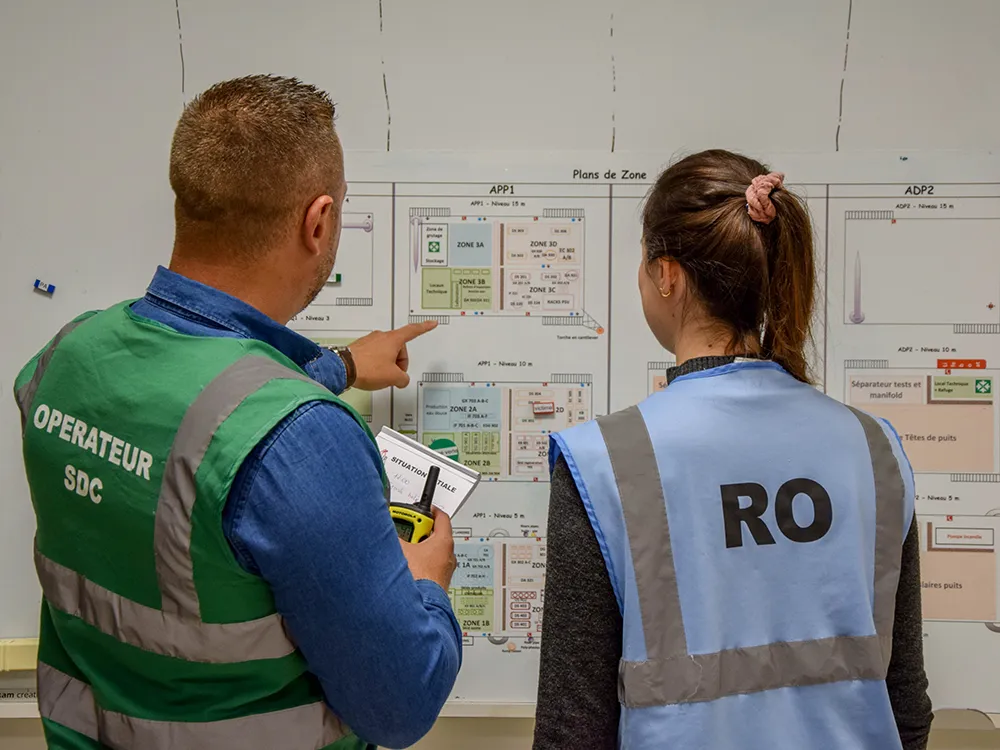
“The GUM Inter training course, available in French and English, is designed for ‘individuals who lead or are set to join an emergency response team for offshore or onshore facilities, as well as those who need to keep their knowledge up to date,’” explains Yves Dervieux. Its goal is to teach participants how to manage a major emergency situation that requires immediate decision-making to ensure the safety of people and facilities.
During this training, participants learn how to assess a situation, anticipate the potential escalation of an incident, make timely evacuation decisions, communicate effectively in an emergency, and use decision-making tools.
This three-day training course consists of 12 simulated scenarios. The quality and development manager explains that these 12 scenarios were designed to give participants a thorough understanding of all the functions of an emergency response team. This helps them understand the roles of everyone who will be working alongside them.
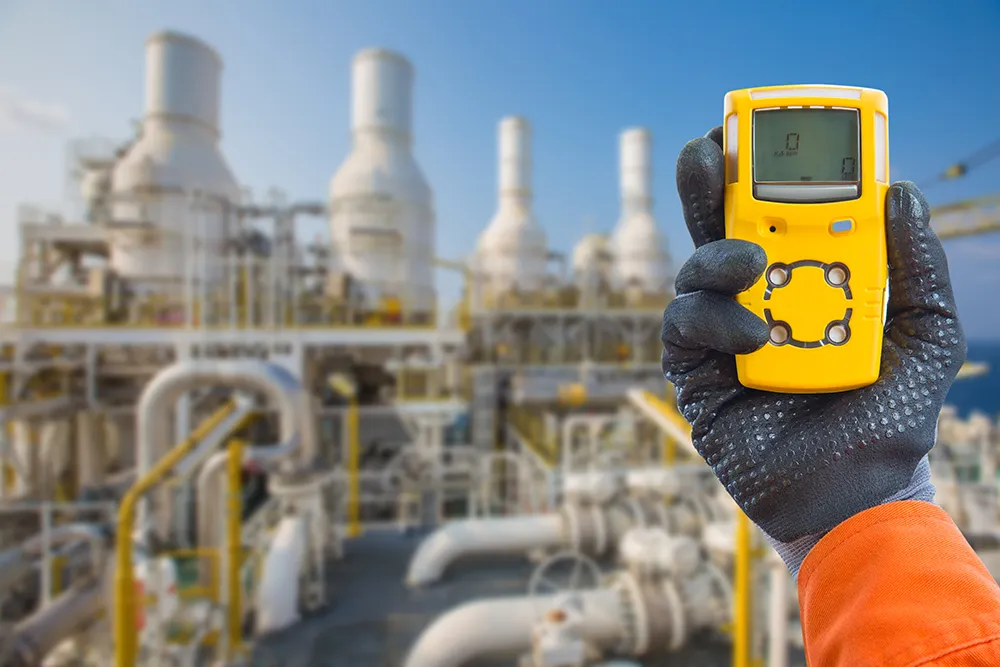
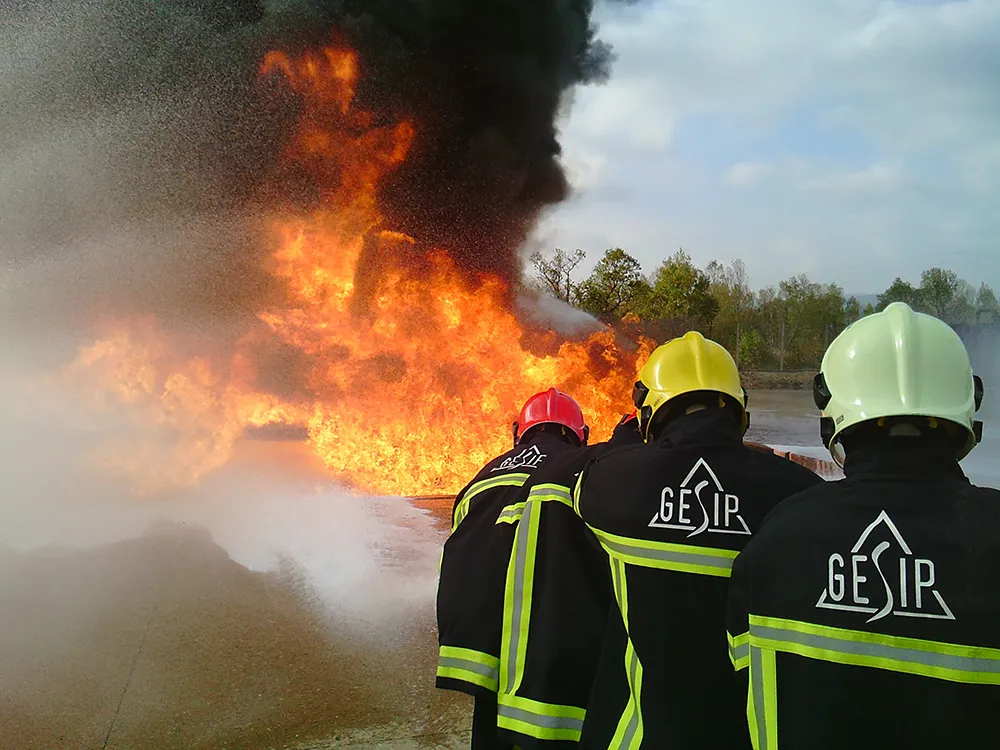
“Trainees are often surprised by how realistic the scenarios are. It’s a flagship training program because it’s very intense. It pushes participants to think deeply. We take into account the challenges they might face in real life, such as communication issues, network problems, or even collisions and explosions,” explains Yves Dervieux. Gesip has a simulator that allows for the addition of a wide variety of ambient sounds to make the experience feel even more realistic. It is a dynamic 4D simulator that places participants in conditions closely resembling those they encounter in their jobs.
This training program can also be adapted to situations other than oil rigs. To do so, simply contact us so that we can work together to create a customized training program tailored to your needs.
Read more: Discussion and Study Groups
Feedback from participants following the GUM Inter training
The goal of this training is to put techniques and strategies into practice and to learn how to work as a team in the event of an accident while maintaining a strong sense of unity.
According to Yves Dervieux, 100% of the training participants are satisfied: “They are thoroughly satisfied with the realism of the simulations and the professionalism of the instructors, who are able to train them in a setting that closely mirrors real-life situations.”
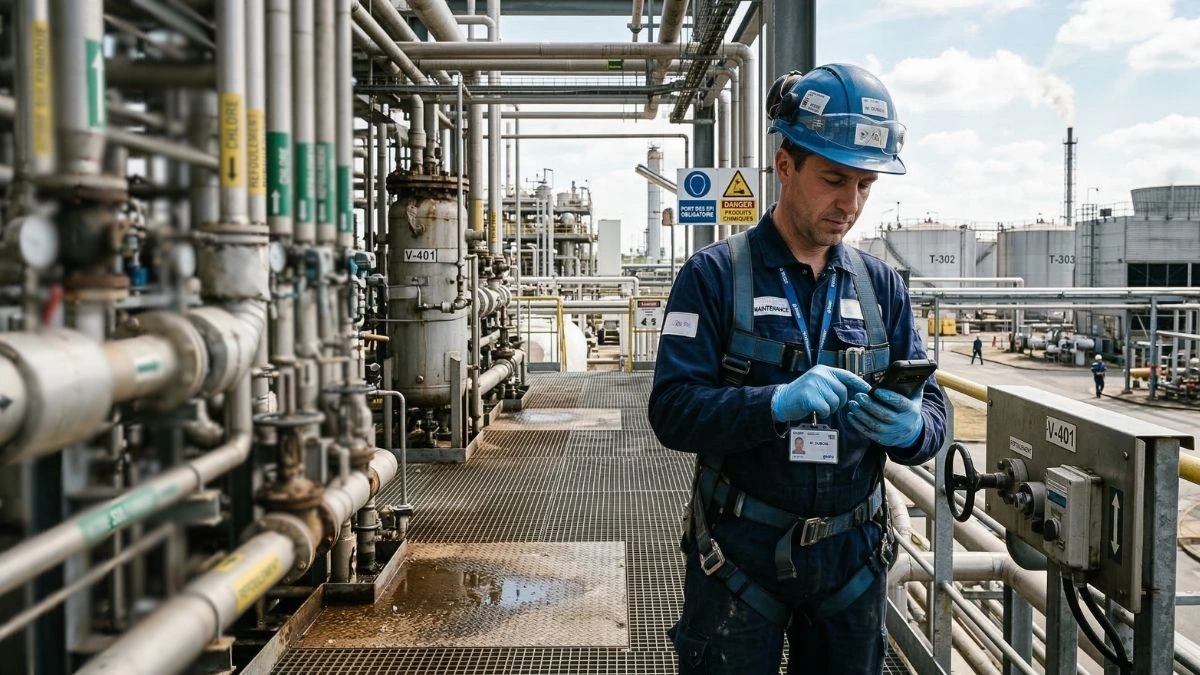
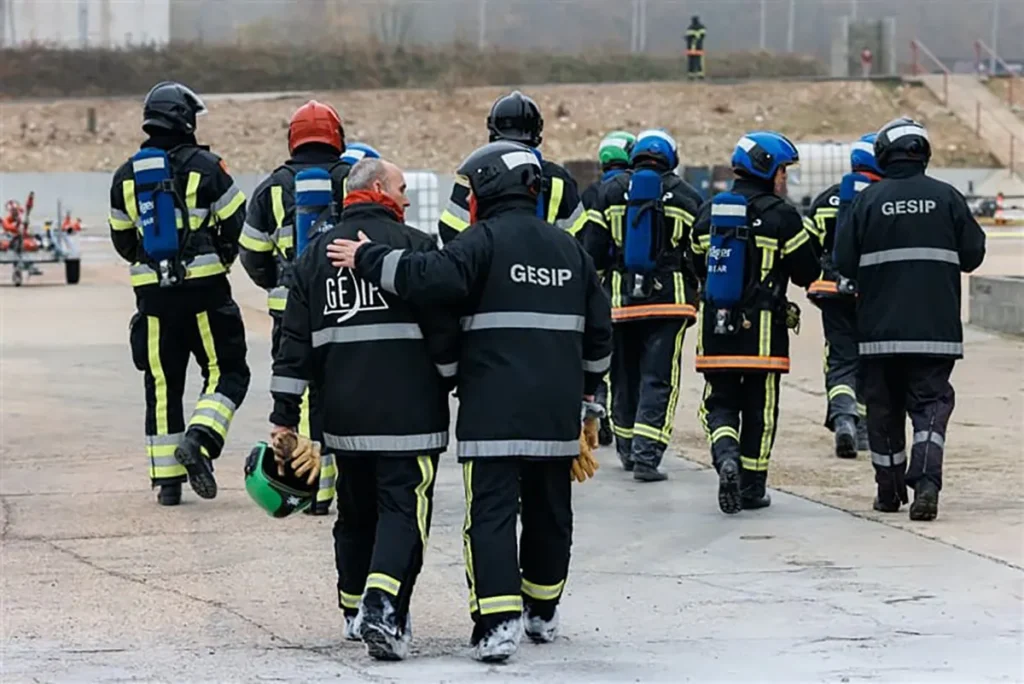
In addition, Gesip offers a training program called On-Site Major Emergency Management (SMME). It takes place directly at offshore and onshore sites to refine the implementation of tools and procedures and to provide training for all personnel.
We recommend ensuring that knowledge is maintained through training at least every five years.
The next GUM Inter training session is scheduled for February 11–13, 2020, at the Vernon site (27). Please also note that Gesip works to improve safety at industrial and logistics sites through a wide range of training courses in French and English, as well as through an audit and consulting service.