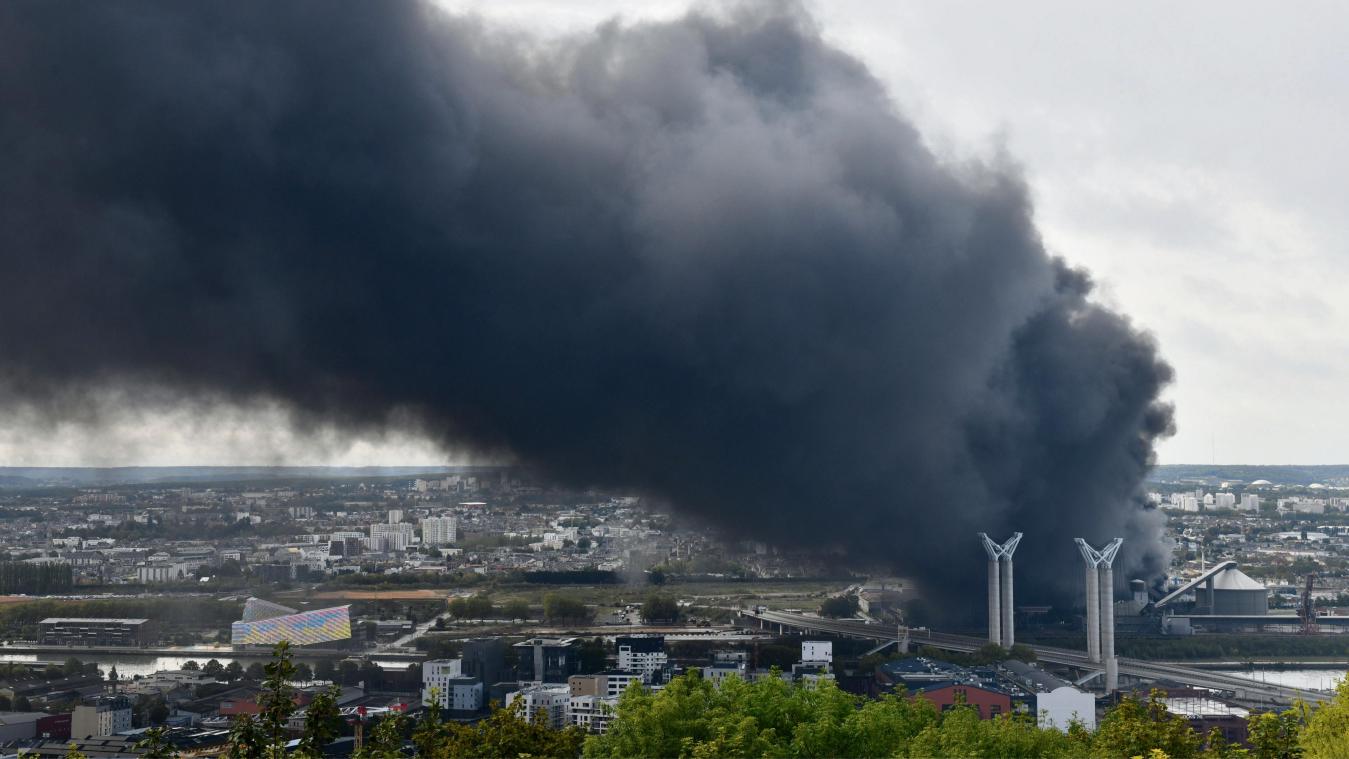
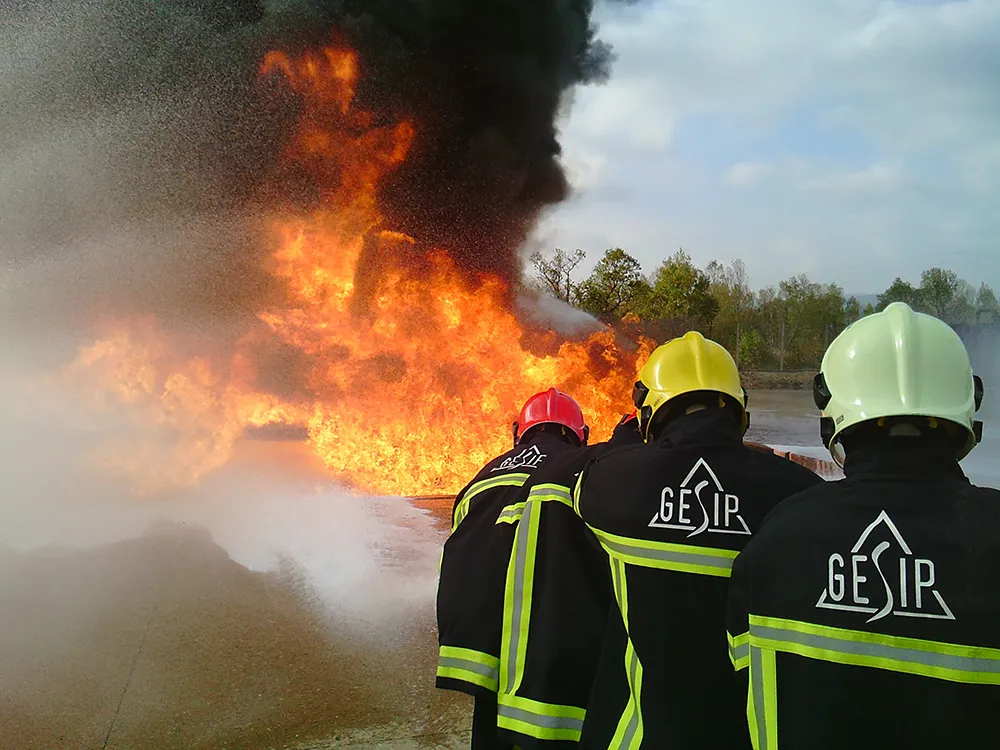
The fire at the Rouen plant in the fall of 2019 had a profound impact on the local community due to its scale and potential environmental consequences. Industrial safety experts redoubled their efforts to analyze this accident. This work led to the implementation of several regulatory changes. Deeply involved in numerous working groups, Gesip contributed its expertise to the development of post-Rouen regulations. Here is an overview of these changes that improve industrial safety.
Changes for SEVESO-classified facilities
Key dates for post-Rouen regulations:
- September 27, 2020: POI drills become mandatory:
- every year (instead of every 3 years) at Upper-Threshold SEVESO sites,
- every 3 years at other sites where a POI is required.
- December 31, 2021: The POI must now include details regarding “the means and methods planned by the operator for the restoration and cleanup of the environment following a major accident.”
- January 1, 2022: “Inventory Report”
- Daily inspection: status of stored hazardous materials (including waste), noting any hazards that could result in classification under a 4XXX heading.
- Weekly inspection: status of other combustible materials.
- January 1, 2023:
- The POI becomes mandatory for lower-tier Seveso facilities.
- After January 1, 2023, any hazard study or five-year review must identify the types of decomposition products likely to be emitted in the event of a major fire. These decomposition products are prioritized based on the quantities likely to be released and their toxicity, including environmental toxicity. Professional methodological guidelines recognized by the minister responsible for classified facilities are currently being drafted. The list of these decomposition products must be submitted concurrently to the prefect, and no later than June 30, 2025, for sites whose five-year review is scheduled after that date.
- The POI must now include provisions for conducting initial environmental sampling (relevant substances, sampling equipment, authorized personnel or organizations) for toxic substances, the types of decomposition products likely to be emitted in the event of a major fire, and, where applicable, for Upper-Threshold SEVESO facilities, substances that cause significant nuisances over long distances—in accordance with upcoming professional guidelines.
Changes to the storage of flammable liquids at ICPE facilities
Storage of flammable liquids in portable containers
- The storage of flammable liquids with hazard statements H224 and H225 in a covered building is prohibited in mobile containers that are susceptible to melting, unless these storage buildings are equipped with appropriate fire-extinguishing equipment;
- The requirements for outdoor storage (site layout rules, storage conditions, design and capacity of associated retention basins, off-site retention, and fire detection) have been strengthened.
Firefighting
The regulations require companies to ensure access to additional quantities of water and foam concentrate. They will be required to have 20% more water and foam concentrate available starting January 1, 2026.
See also:Industrial fires: the risks of battery fires
The impacts on facilities storing combustible materials
- It limits duplicate entries;
- It simplifies the procedure. Specifically, it raises the authorization threshold for facilities under category 1510 to 900,000 m³;
- It also includes revenue from Seveso-related items.
Relevant regulatory texts
SEVESO SITES:
- Decree No. 2020-1168 of September 24, 2020 regarding the rules applicable to facilities where hazardous substances are present in quantities sufficient to cause major accidents.
- Decree of September 24, 2020 amending the Order of May 26, 2014, on the prevention of major accidents at classified facilities referred to in Section 9, Chapter V, Title I, of Book V of the Environmental Code.
STATUS STATUS OF STORED MATERIALS
- Decree of September 24, 2020 amending the Ministerial Order of October 4, 2010, on the prevention of accidental risks at classified facilities for environmental protection subject to authorization.
STORAGE OF FLAMMABLE LIQUIDS:
- Order of September 24, 2020 regarding the storage of flammable liquids in portable containers.
- Arrêté du 24 septembre 2020 modifiant l’arrêté ministériel du 3 octobre 2010 relatif au stockage en réservoirs aériens manufacturés exploités au sein d’une installation classée soumise à autorisation au titre de l’une ou plusieurs des rubriques 1436, 4330, 4331, 4722, 4734, 4742, 4743, 4744, 4746, 4747 ou 4748, ou pour le pétrole brut au titre de l’une ou plusieurs des rubriques nos 4510 ou 4511 de la législation des ICPE.
WAREHOUSES:
- Decree No. 2020-1169 of September 24, 2020 amending the list of ICPEs and the list appended to Article R. 122-2 of the Environmental Code.
LOGISTICS WAREHOUSES:
- Order of September 24, 2020 amending the Ministerial Order of April 11, 2017, regarding the general requirements applicable to covered warehouses subject to heading 1510, including when they also fall under one or more of headings 1530, 1532, 2662, or 2663 of the ICPE classification, as well as the decrees on general requirements applicable to classified facilities subject to registration under headings 1511, 1530, 1532, 2662, and 2663 –
Support, development, and validation of POIs by Gesip
Gesip leverages its technical expertise and legal research capabilities to advise and support industrial players in the development, revision, and validation of their POIs, in accordance with the latest regulatory developments.