

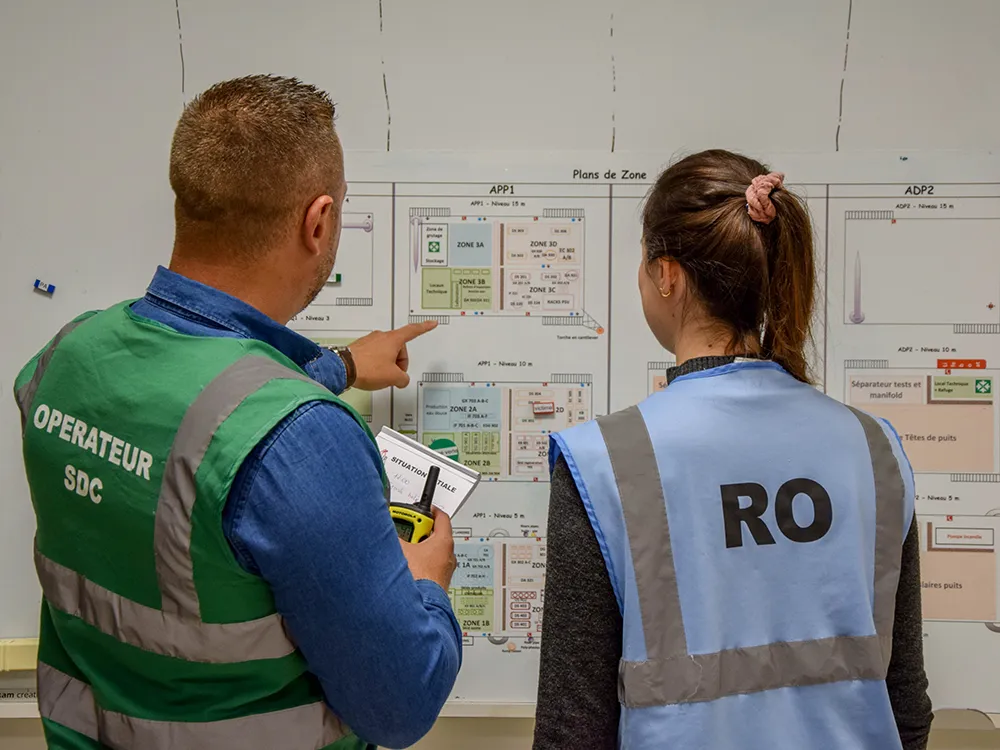

Developing an emergency response plan for an industrial company is a complex undertaking. It requires, as a first step, an analysis of the risks involved, the resources available for emergency management, and the organization of an appropriate operational response. An industrial risk assessment audit helps identify issues, assess how well they are managed, and plan preventive measures.
Plan for emergencies to ensure safety
An emergency response plan or internal operations plan (IOP) enables a coordinated operational response to any crisis situation. When an industrial incident occurs, only a well-organized safety team can ensure the protection of people, the environment, and property at risk.
Assessment of risks and potential accident scenarios
An industrial site is, by its very nature, subject to numerous operational risks. When natural hazards are factored in, a wide range of accident scenarios must be considered. A comprehensive risk analysis is essential. It enables the identification of appropriate protective measures and resources.
Many examples, such as the accident at the Fukushima power plant, serve as valuable lessons. They remind us that industrial accidents do not always occur where we expect them to. When assessing the risks posed by an industrial site, all potential adverse consequences must be taken into account. Even when the incident is contained, collateral damage is still possible.
Human and material resources for the protection of industrial sites
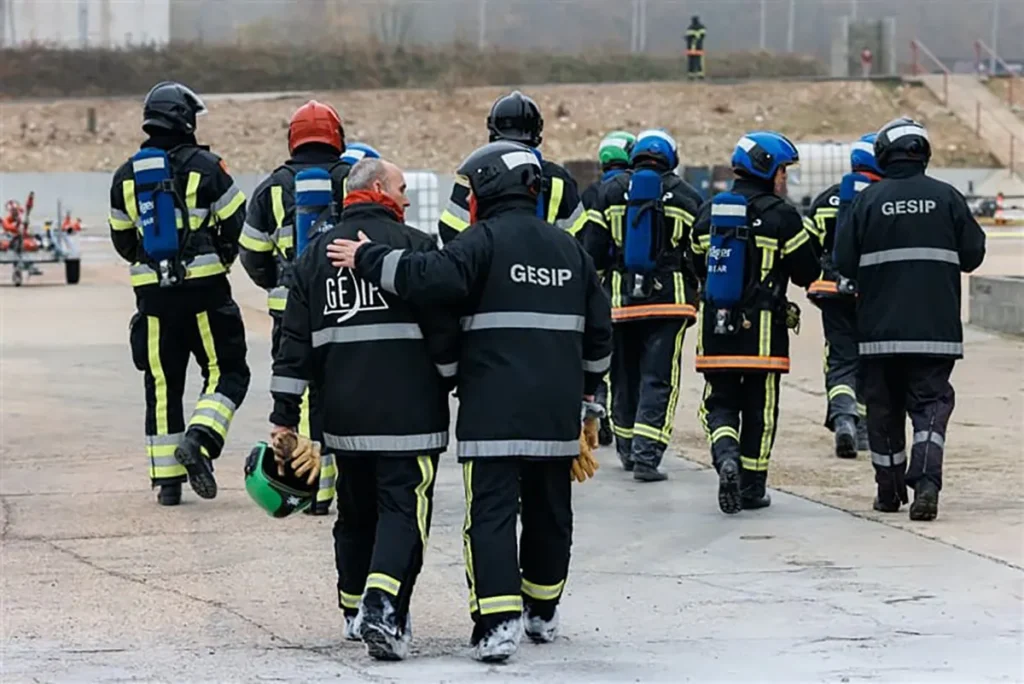
An industrial site must be equipped with operational facilities to respond effectively to all emergency situations. Training for security personnel covers all identified accident scenarios. The personnel responsible for site security must be able to manage:
- the evacuation of personnel;
- first aid for victims;
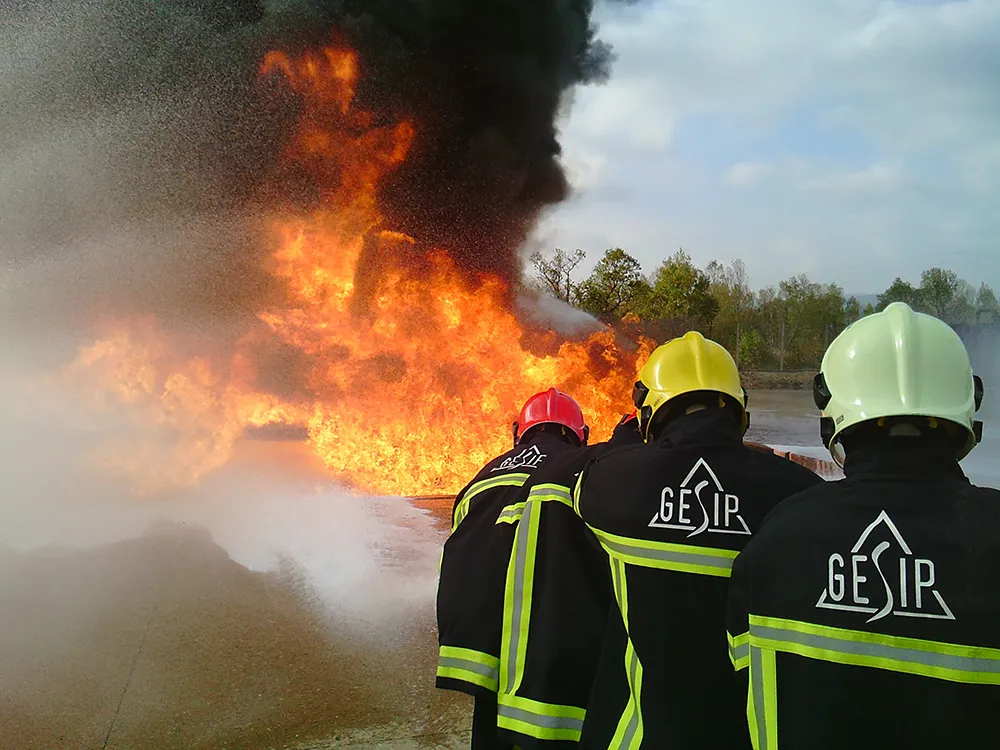
- firefighting, the release of chemicals, and toxic discharges;
- the protection of neighboring facilities and the outer perimeter.
Close collaboration with emergency services is one of the measures used to respond to crises.
Action plans and the implementation of measures and protective actions
The emergency response plan, or internal operations plan, defines and describes the guidelines and procedures to be followed in the event of an emergency. Deploying emergency resources in a disorganized manner inevitably leads to failure. Not to mention that it results in unnecessary risks. It is essential to define the following procedures:
- triggering the alarm and calling emergency services;
- evacuation of people;
- implementation of measures to combat the feared event and prevent the spread of the disaster;
- first aid for victims.
Protecting the immediate surroundings of the incident site helps contain the situation. It is important to do everything possible to prevent the situation from worsening.
The crisis recovery plan
After a fire, the situation is often chaotic. If the company has retained its operational capabilities, it is important to prepare for a resumption of business. It is essential to secure the affected areas and ensure safe movement around the site.
Planning an audit, site assessment
Developing an emergency response plan—or reviewing an existing one—is a job for experts. At Gesip, we put our expertise to work for your company’s safety. Ask us how to conduct an industrial risk assessment audit. It will provide a comprehensive assessment of your site’s safety. We can then advise you on risk prevention, emergency management, and operational organization.