
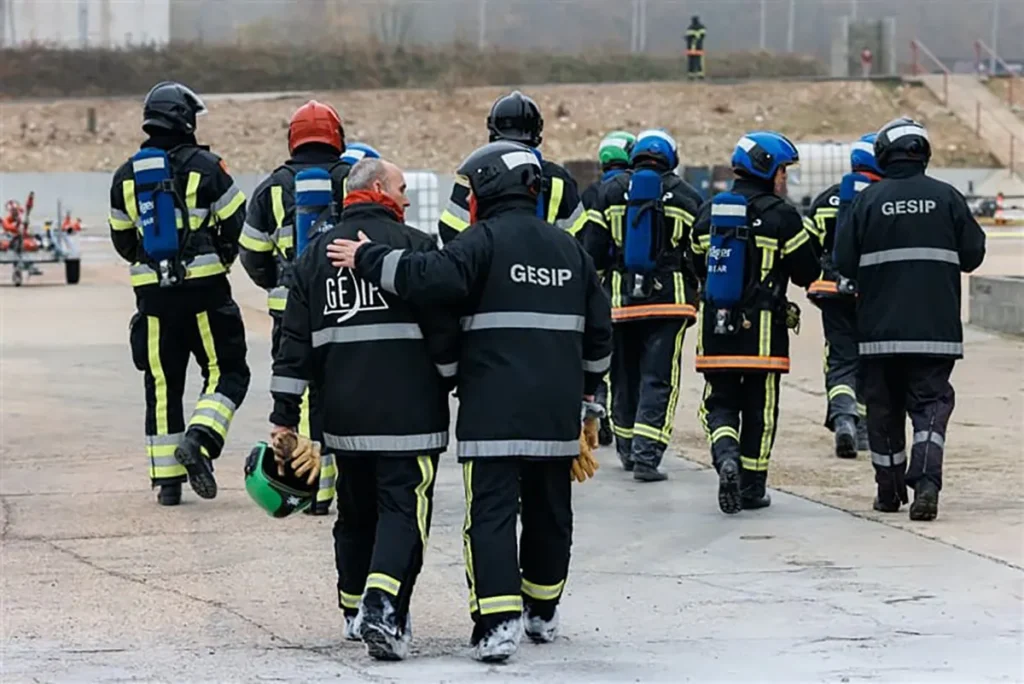
In the offshore sector, incidents can arise suddenly, and it is important to have a crisis management planin place to respond effectively and appropriately.
Implementing an offshore crisis management plan
The crisis management plan establishes the procedures to be followed and the human and technical resources to be deployed in the event of an incident.
An initial audit must first be conducted to assess the risk of an incident occurring. This helps identify possible scenarios. An analysis is then performed to determine the resources to be mobilized and the actions to be taken for each scenario.
The crisis management plan outlines the organizational structure for managing the incident, alert procedures, the duties and responsibilities of crisis response team members, the actions to be taken depending on the event, the human and technical resources available, and communication procedures. The crisis management team consists of the platform manager, the superintendent in charge of the rescue teams, the POB coordinator (responsible for assembling and accounting for personnel), the safety manager, the communications manager, the logistics coordinator for resources and needs, and the manager in charge of documenting the event’s timeline. These individuals must be trained in managing a major emergency on an offshore platform and are responsible for verifying the compliance of their crisis management plan through drills and simulation exercises.
Gesip helps you implement a crisis management plan
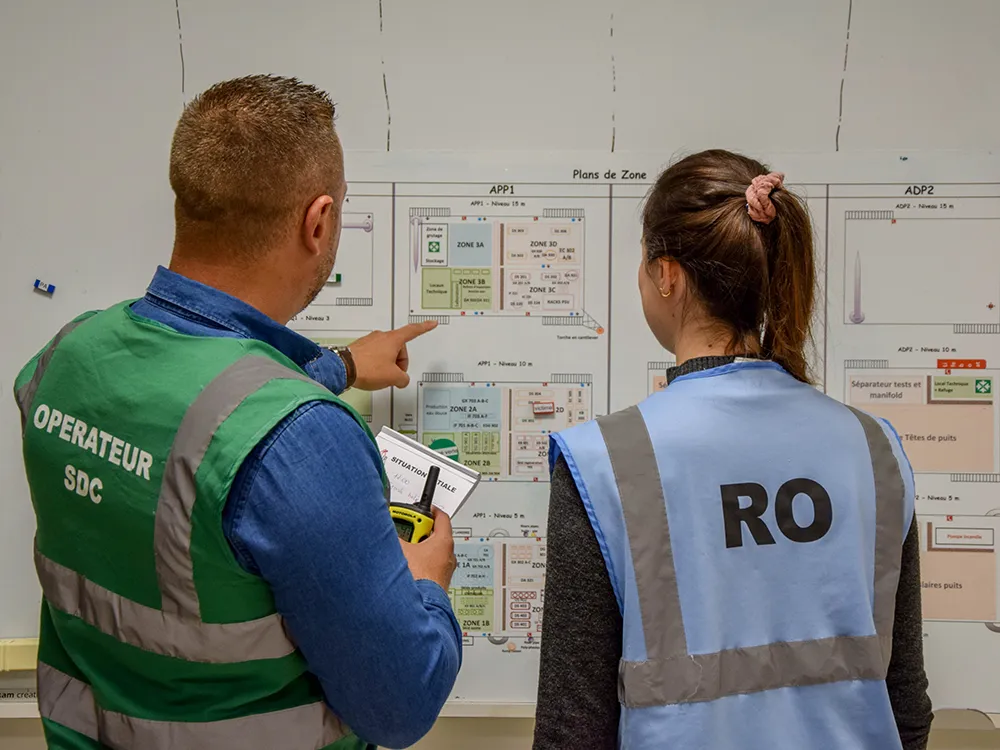
La formation « Gestion des Urgences Majeurs (GUM) proposée par Gesip est destinée aux futurs chefs de site offshore ou aux actuels chefs de site qui ont besoin d’une remise à niveau. Ce stage se déroule sur 3 jours autour de 12 mises en situation, tous les participants doivent passer par toutes les fonctions d’une équipe de gestion de crise. Cela leur permet de mieux comprendre le rôle et les capacités de tous leurs interlocuteurs.
L’objectif principal de cette formation est d’entrainer de futurs ou d’actuels manager de plateforme à la survenue d’événements accidentels tels qu’un accident de personne, un incendie, une explosion, une pollution.
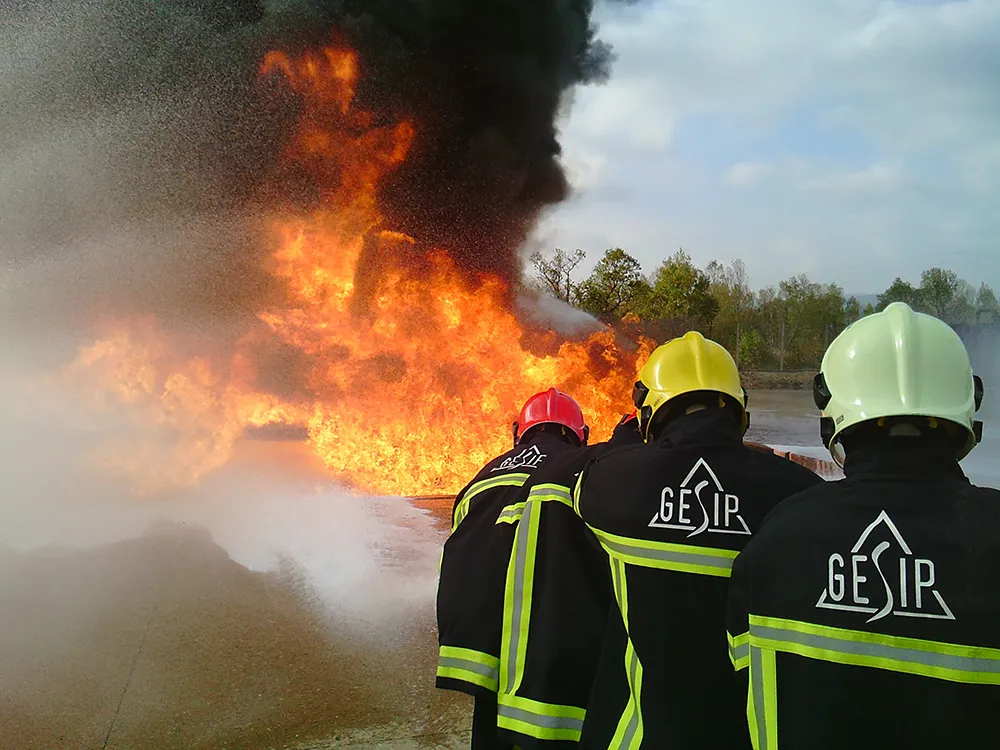
To test your offshore site’s emergency plan, we recommend conducting on-site training in major emergency management. You will be able to practice implementing your emergency plan with your teams and test your emergency response tools. Together, we can then identify areas for improvement in your emergency plan, taking into account the specific characteristics of your platform.
We recommend that site managers attend refresher training every three years to keep their skills up to date in an ever-changing environment.
Since 1953, Gesip has been working to improve safety at industrial and logistics sites by offering professionals a range of services, including training, audits and consulting, publications, testing, and discussion groups. To best meet your needs, you can also request a customized training program from Gesip.