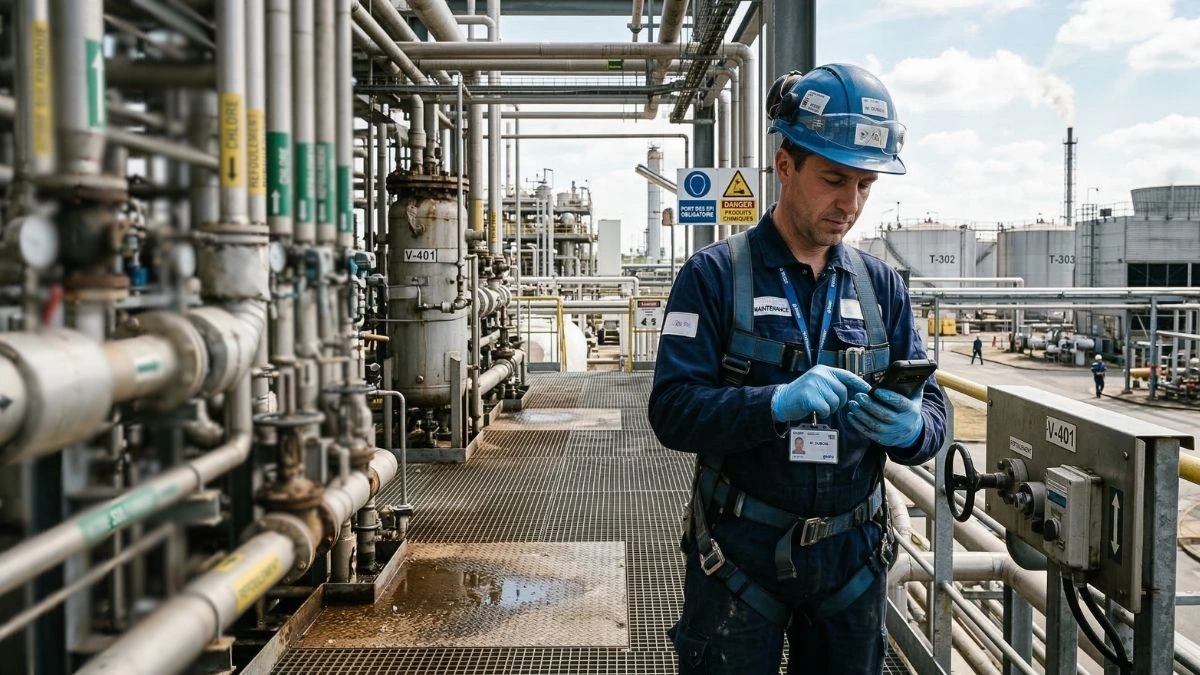

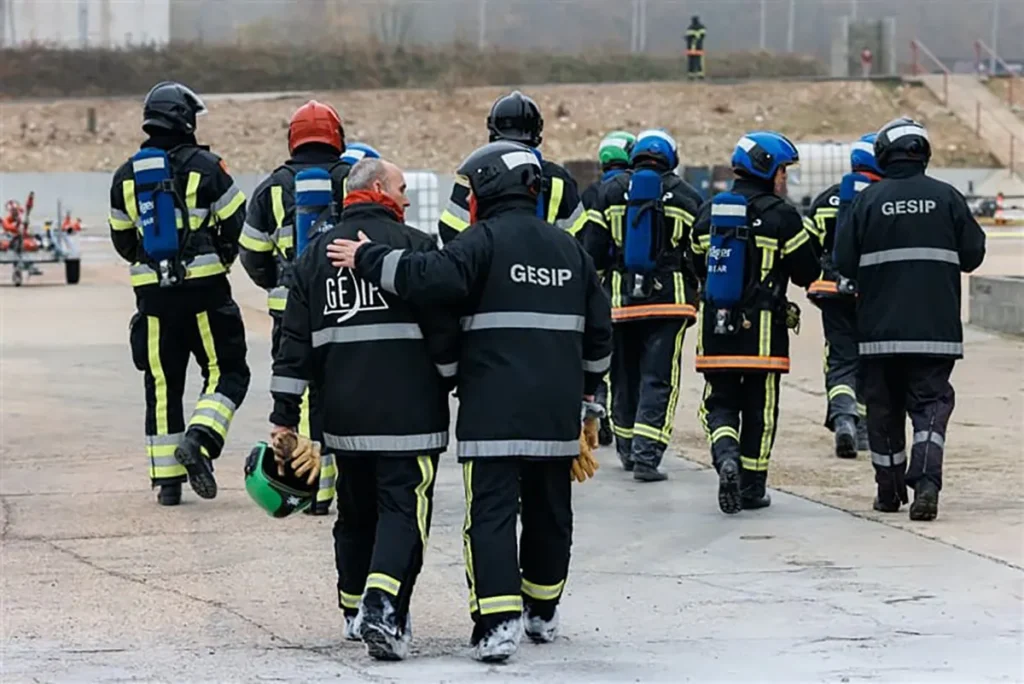
With the goal of implementing appropriate preventive measures to industrial risks, hazard studies, or EdD, are an essential tool. Indeed, industrial accidents can have dramatic consequences for people and the environment or generate significant media coverage that damages the company’s image.
Learn how hazard studies help identify, analyze, and assess these risks so that appropriate preventive measures can be taken in advance.
The Fundamentals of the EdD Hazard Study
Legal requirement
Conducting a hazard study (HRA) is a legal requirement governed by the Environmental Code, specifically Article L.512-1. The operator must provide a study detailing the risks that the facility may pose, directly or indirectly, to the interests mentioned in Article L.511-1 in the event of an accident, whether caused by factors internal or external to the facility.
Why Conduct an EdD Study
Under the laws that have been enacted, ESD becomes mandatory in several specific situations, namely:
- For new projects or adjustments (Art. R.512-2 of the Labor Code)
- In the event of a change (Art. R.512-9 of the Labor Code)
- At the request of the Prefect, by Supplementary Prefectural Order (Art. R.512-9 of the Civil Code)
- After an accident prior to return to service (Art. R.512-70 of the Code of Labor)
- ADecree Rschool regarding special requirements forinstallations Cclassified for Pprotection of theEnvironment (Art. L.512-12 of the Labor Code)
Given these requirements, it is important to note that conducting an EdD offers numerous benefits for companies:
- Improving the safety of people and property: Risk identification and analysis enable the implementation of targeted and effective preventive measures, thereby reducing the likelihood of accidents.
- Environmental protection: EIA helps identify the risks of accidental pollution and implement measures to prevent them.
- Cost control: Accident prevention helps reduce costs related to repairs, compensation, and production downtime.
- Enhancing the company's image: a proactive approach to safety and industrial risk prevention industrial risks is often valued by customers, partners, and stakeholders.
EdD Editorial Requirements
The content of the EdD includes important and mandatory information.
The document should serve as a reference guide that clearly defines what is permitted and under what conditions, in order to ensure that information is provided accurately. In doing so, the Hazard Study should focus primarily on the analysis of industrial risks.
The document should focus primarily on explaining the methodology used to assess potential risks, in order to describe how accident scenarios are taken into account to reduce the hazard, its consequences, and its severity.
Accident Analysis and Hazard Potential
Security Organization – SGS
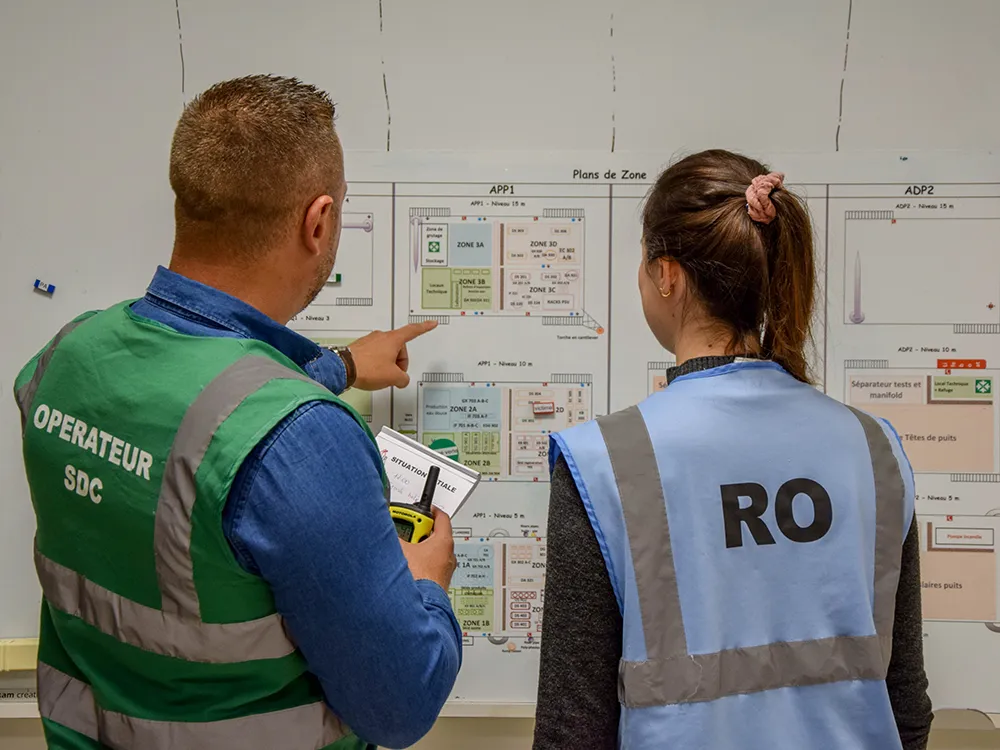
The first step in the EdD hazard assessment is to establish a safety management system. This Safety Management System (SMS) must define the roles and responsibilities of the various parties involved in risk prevention and enable the implementation of effective, specific preventive measures.
Accident Analysis
Etape clé de l’EdD, l’analyse de l’accidentologie permet de comprendre les causes profondes des accidents passés et d’en tirer des enseignements pour prévenir de nouveaux sinistres. Cette analyse doit être large et couvre l’ensemble des accidents survenus en interne sur le site ou sur des sites similaires en France et à l’étranger. L’industriel établit un plan d’actions et une liste exhaustive et hiérarchisée des évènements « à faire » ou « à éviter ».
Identification and characterization of potential hazards
L’identification et la caractérisation des dangers permettront d’évaluer leur gravité et leur probabilité d’occurrence. Pour ce faire, il faut déterminer les sources de dangers présentes sur le site, telles que les substances dangereuses, les installations, les procédés de fabrication, …,
Reducing risk potentials
Dernier maillon de l’étude de dangers, cette étape passe avant tout par la réduction des risques industriels de manière concrète en améliorant les procédés de fabrication, ou par la mise en place de mesures de prévention adaptées, ou la mise en place de protections techniques.
Risk Analysis
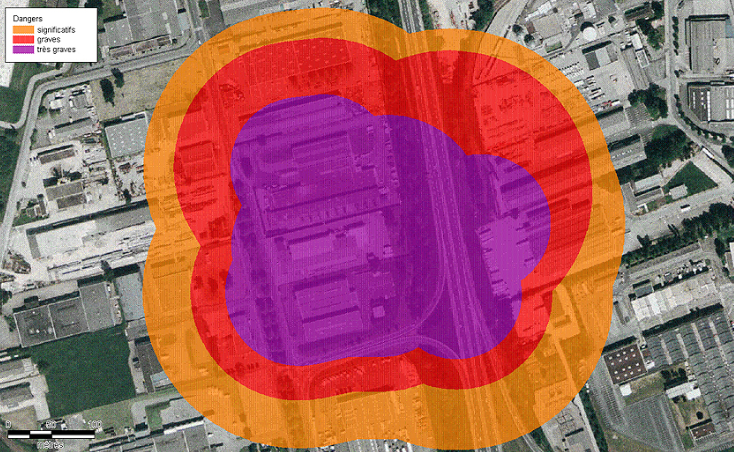
Risk analysis is a fundamental step in EIA. It allows for the assessment of the level of risk posed by each identified hazard. This analysis takes into account
- The severity of the effects of the hazardous event
- The severity of potential damage
- The probability of accidents occurring taking into account ofsafety barriers and drisk control measures
- The kinetics of the phenomenon
Several methods can be used to analyze the risks involved, including:
- The preliminary risk analysis identifies potential events, prioritizes them, and selects “critical” accident scenarios.
- The fault tree model allows you to construct a logical tree showing the combination of events that may occur prior to or lead to the feared event.
- The event tree model is similar to the fault tree, but it allows you to construct a sequential tree of events that are likely to occur downstream of the initial event.
- The bowtie model allows you to combine fault trees and event trees for a more comprehensive risk analysis.
Analysis of Domino Effects
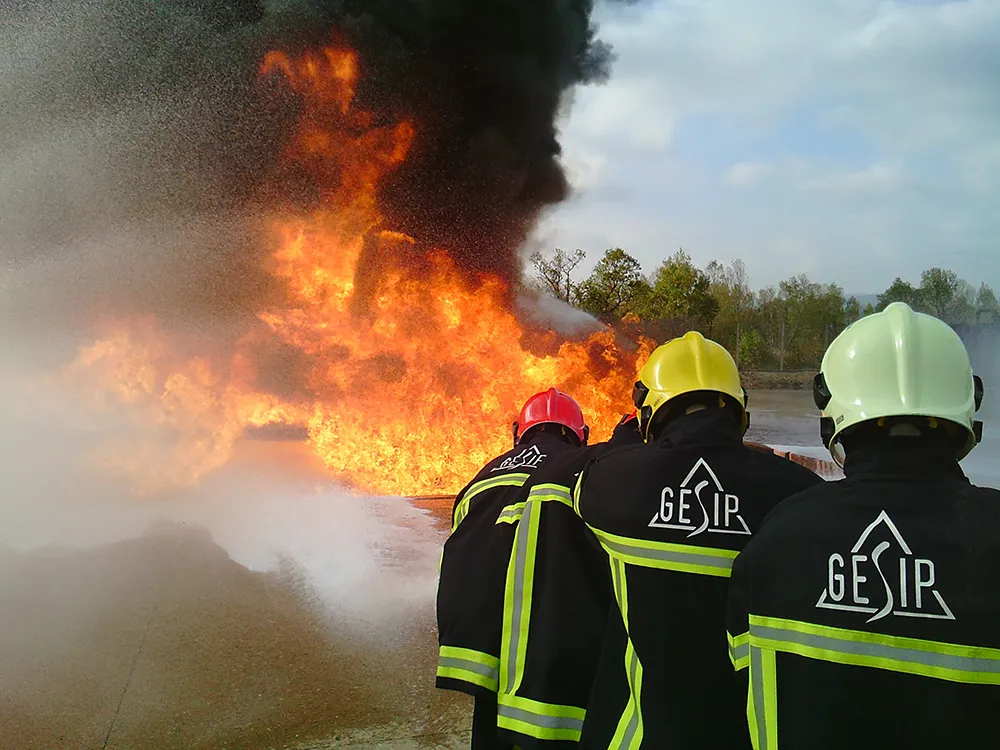
Domino effects refer to the indirect consequences of an industrial accident. They can be significant and may considerably exacerbate the damage caused by the initial accident. Analyzing domino effects helps identify these indirect consequences and implement measures to prevent them.
Conclusion
An EdD hazard study is an essential tool for the prevention of industrial risks. It allows for the identification, analysis, and assessment of risks present at an industrial site, and for the implementation of appropriate preventive measures. Conducting an EdD is a regulatory requirement for facilities presenting major industrial risks , but it is also beneficial for all companies concerned about safety and the potential consequences of their operations.