
In light of a situation where environmental concerns and safety requirements are becoming increasingly pressing, the adoption of an gas-specific Internal Operations Plan (IOP) represents a major step forward. The development and implementation of this procedure, incorporating the latest innovations and best practices, highlight the gas industry’s ongoing efforts to ensure not only industrial gas safetybut also the prevention of gas incidents, in a context where every improvement can make a significant difference.
This article aims to explore the scope of the Gas POI, which is essential for the security of the gas sector.
Fundamental Principles of the Gas POI
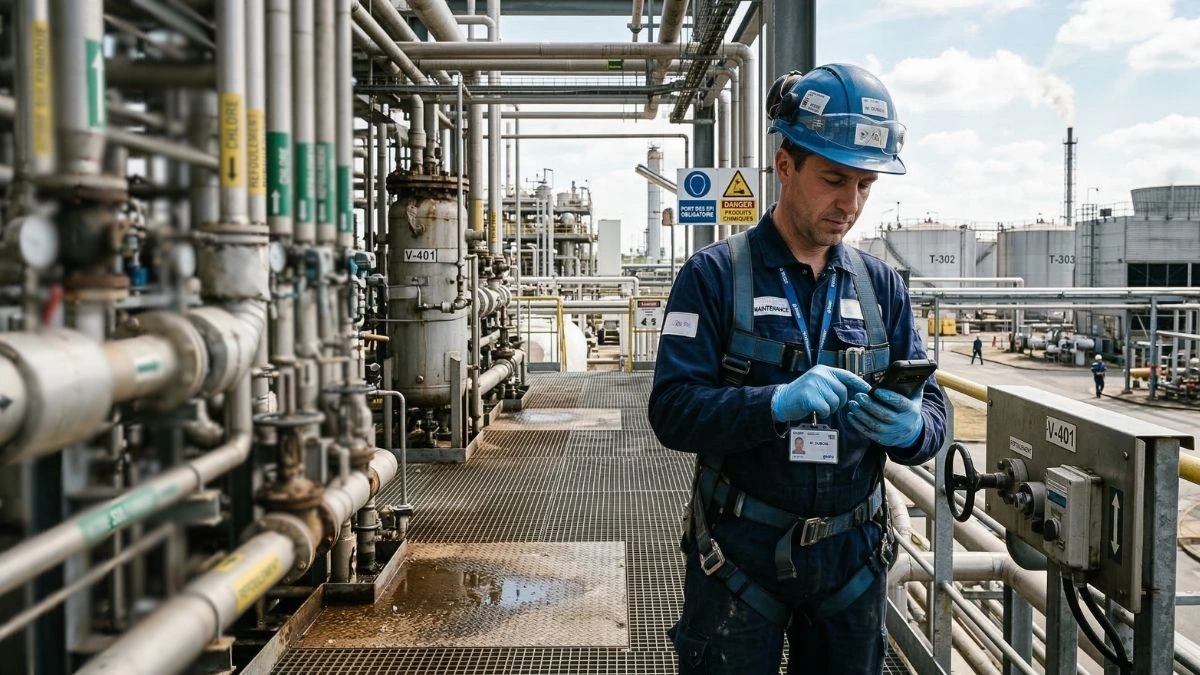
A Gas POI is an operational document designed to prevent and effectively respond to emergencies specific to gas facilities. It is based on a thorough analysis of gas-related risks, identifying potential scenarios such as leaks, fires, or explosions, and then outlining the equipment and procedures needed to manage them.
The gas safety training plays a crucial role in this context, ensuring that every team member understands and is able to carry out the plan effectively.
Objectives of the Gas POI
- Risk Identification : The POI begins with a detailed analysis of the risks associated with gas operations, including scenarios involving leaks, fires, explosions, and exposure to toxic gases.
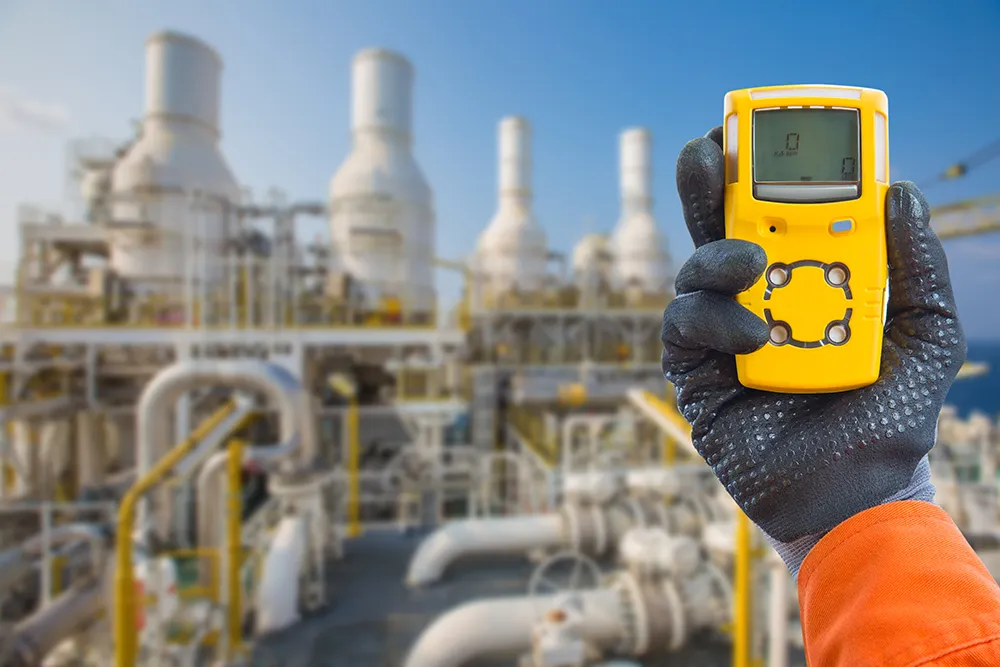
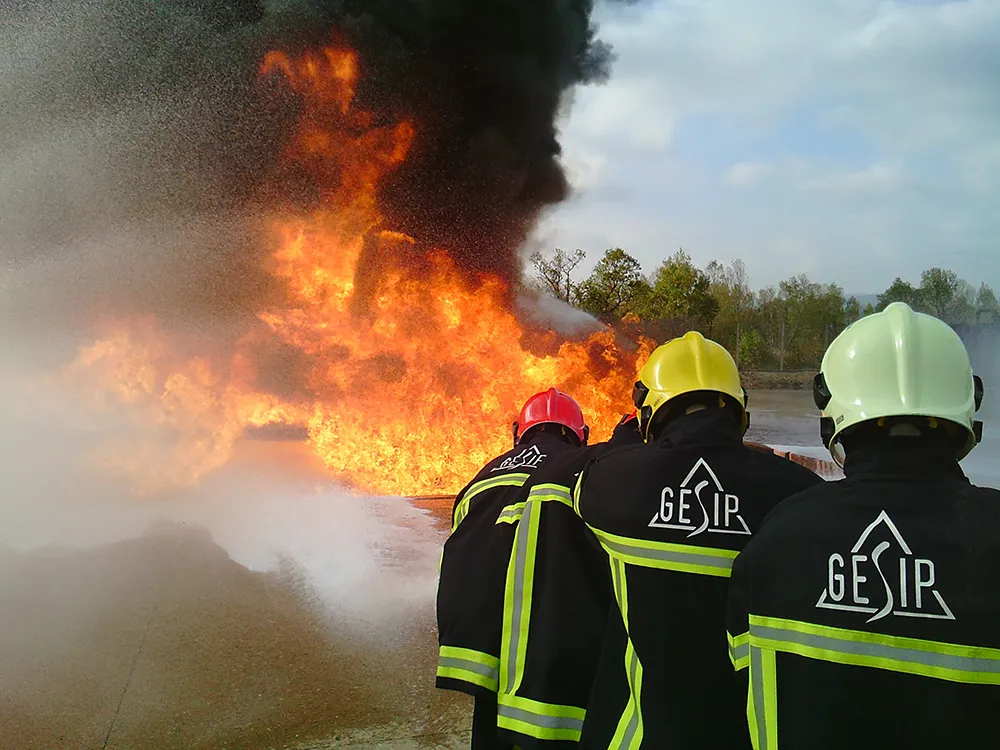
- Emergency Response Protocols : It establishes clear procedures for responding to emergencies. This includes instructions for detecting leaks, fighting gas fires, evacuating affected areas, and managing medical emergencies…
- Coordination with external emergency services : The plan specifies the procedures for coordinating with external emergency services (fire department, police, medical services) and establishes communication protocols.
- Staff Training and Awareness : The POI emphasizes the importance of regularly training staff on gas safety procedures and on the actions to take in the event of an emergency.
- Equipment and Resources : The plan must list the safety and first-response equipment available on site and ensure that it is accessible and in good working order.
Implementation and review
- Audit and Review : The POI must be regularly reviewed to ensure that it remains up to date with technological, regulatory, and operational changes.
- Feedback : After each incident or drill, an analysis must be conducted to continuously improve the plan.
Gesip Gas Training Courses
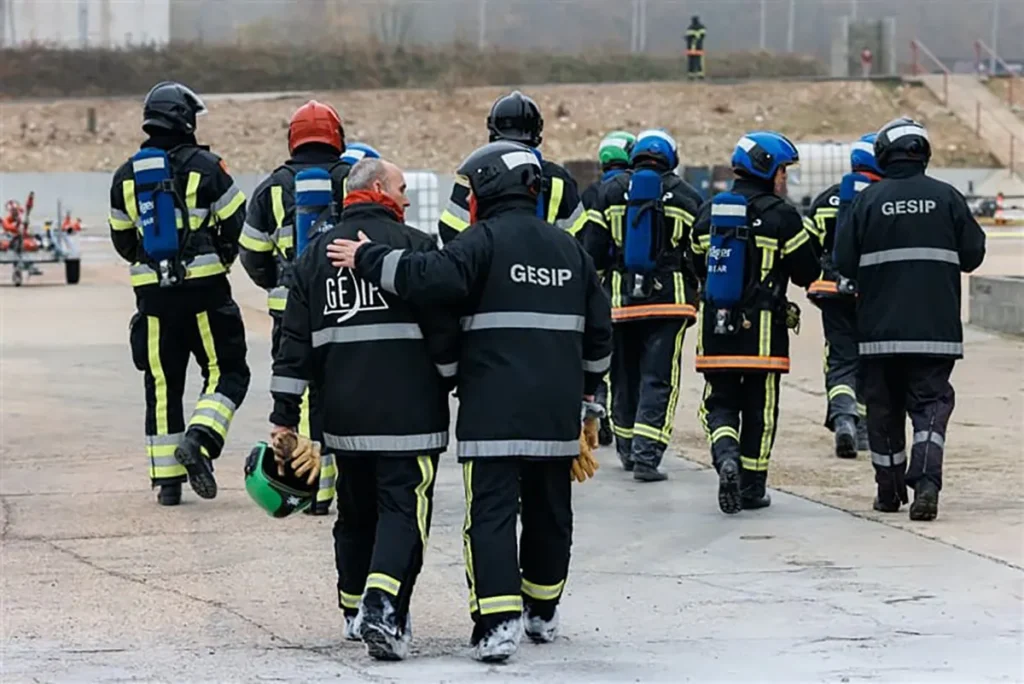
Gesip, with its expertise in industrial safety and fire safety training since 1953, has recently strengthened its ties with France Gaz Liquides, joining forces to improve the safety of industrial equipment and facilities.
By combining their expertise, these two leading providers of professional training in industrial safety are shaping the future of risk management in the energy sector. These training programs are part of a comprehensive approach to sustainable development and the promotion of new energy sources.
Training Course: "Initial Emergency Response at a Gas Facility (PAU GAZ)"
This training aims to equip participants with the skills to act effectively during the critical first few minutes of managing an emergency. It covers essential aspects such as the implementation of initial emergency response actions, understanding on-site scenarios, activating the emergency response team, and using response charts and other site-specific tools. This course is designed for a wide range of professionals, from operators at LPG filling stations to staff at refineries and chemical plants.
Training Course: "Crisis Management at a Gas Facility (APCEx GAZ)"
This training focuses on activating the Operational Command Post. It offers participants the opportunity to train with their team through simulated scenarios, familiarize themselves with the tools and methods necessary for crisis management, test their effectiveness, and master internal and external communication. Designed for companies and industries exposed to gas hazards, this training enables staff to respond effectively to emergencies.
Key Elements of the Gas-Specific POI
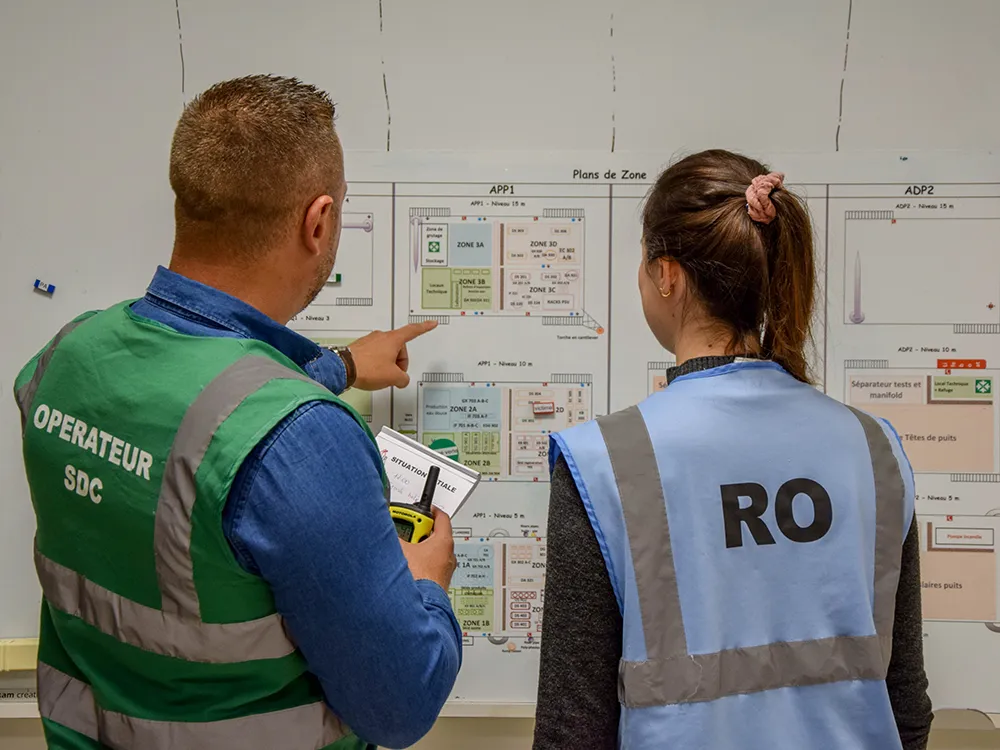
- Evacuation plans and emergency routes : Identification of evacuation routes and safe assembly areas.
- Communication Plans : Protocols for promptly informing staff, authorities, and, if necessary, the general public.
- Facility Management : Procedures for the safe shutdown of gas facilities in the event of an emergency.
- Environmental Management : Measures to limit the environmental impact in the event of a gas leak or release.
- Exercises and simulations : Regular organization of exercises to test and improve the effectiveness of the POI.
Emergency response protocols and gas safety measures
Under the POI, the gas emergency procedures must be clear and well-defined. This includes detailed instructions for detecting and responding to gas leaks, gas-specific firefighting, and emergency evacuation procedures. Adherence to and implementation of site-specific guidelines are essential for an appropriate response in the event of an emergency.
Coordination and Communication in Crisis Situations
A vital aspect of the Gas Emergency Plan is coordination with external emergency services and local contacts such as the fire department, the prefecture, and the DREAL (Regional Directorate for the Environment, Planning, and Housing). The alert plan must be designed to ensure rapid and effective communication, including standard messages for conveying precise information during an emergency.
Environmental Management and Social Responsibility
The gas emergency management is not limited to the immediate response; it also encompasses environmental management to minimize the impact of gas leaks or releases. The measures taken must therefore be consistent with environmental and social responsibility, ensuring the protection not only of workers but also of the environment and neighboring communities.
Training and expertise: building capacity
The "Clearing Up Doubts" training is a key component of the POI, enabling first responders to accurately assess situations and make informed decisions. Gesip’s training methodology, which focuses on practical expertise, is essential to ensuring that responders are well-prepared to handle any emergency situation on-site.
Validation and Continuous Improvement of the POI
The Internal Gas Operations Plan should be a living document, regularly updated and improved based on feedback. Regular audits are necessary to ensure that the plan complies with the latest safety standards and technological developments.
Conclusion
The Gas-Specific Internal Operations Plan is an essential tool for risk management in the gas industry. It requires a rigorous technical approach, meticulous coordination, and ongoing staff training. With the support of specialized training programs such as those offered by Gesip and our IOP consulting services, companies can not only meet regulatory requirements but also ensure the safety and protection of their personnel, facilities, and the environment.